





Welded Steel Silo Procurement: Specifications That Reduce Site Modification
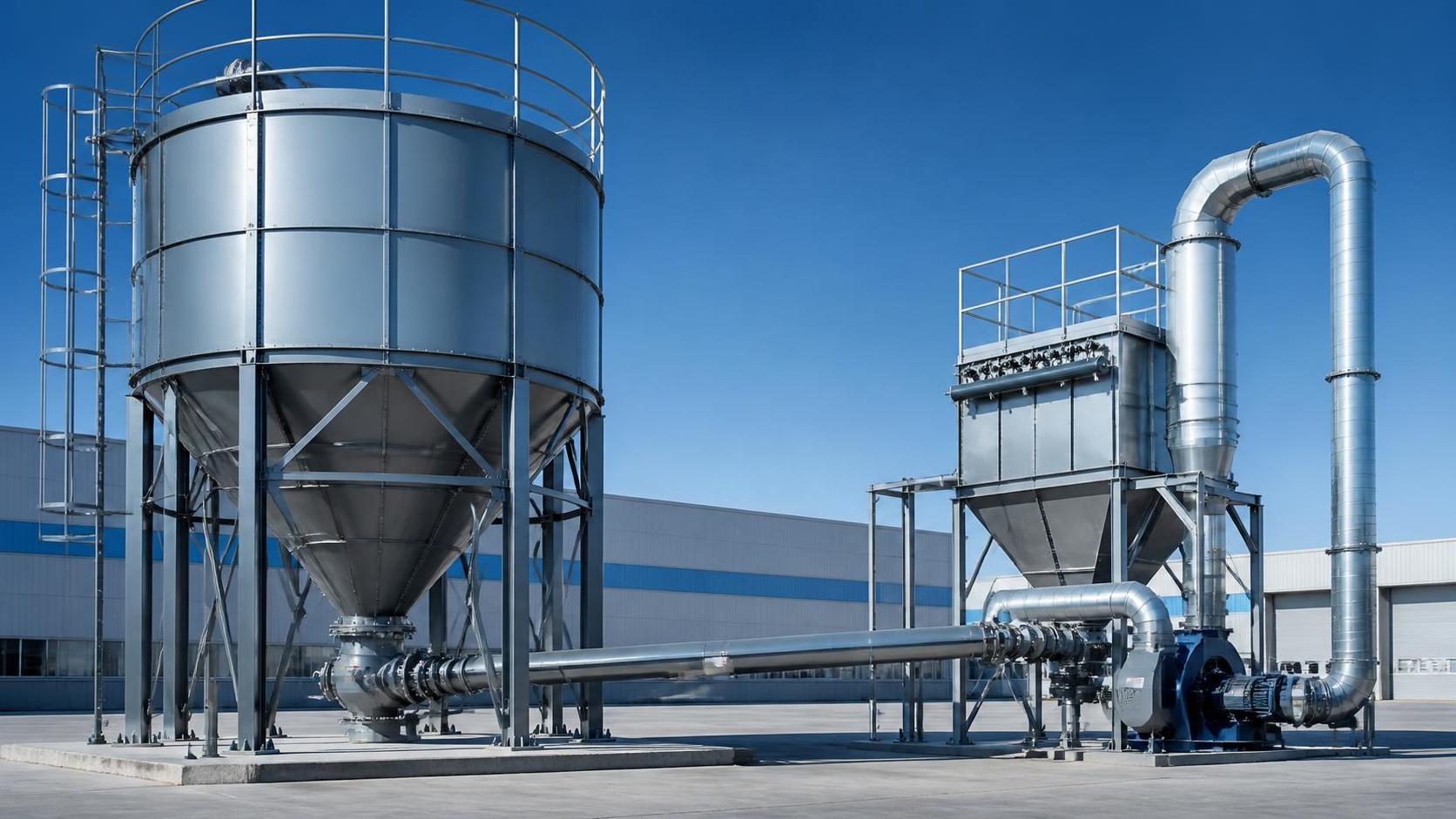
For procurement teams, selecting a welded steel silo is not only about storage capacity and price. The larger commercial question is whether the equipment will arrive ready to connect to the site, or whether it will trigger a chain of field changes involving civil works, structural steel, electrical controls, dust collection, and material-handling equipment.
That distinction matters because site modifications are rarely isolated costs. A revised discharge opening may require a new hopper support. A changed silo elevation can alter conveyor routing. A missing foundation load case can delay concrete work. Once construction and equipment delivery are on parallel schedules, even a modest drawing discrepancy can become a commissioning problem.
For buyers in grain, building materials, power, and chemical projects, the practical objective is therefore not simply to purchase a welded steel silo with an acceptable unit price. It is to procure a storage system whose dimensions, interfaces, operating assumptions, and documentation fit the actual project before fabrication begins.
Capacity Is the Starting Point, Not the Specification
Nominal storage capacity is usually the first figure discussed, but it can create a false sense of comparability. Two silos described as having the same tonnage may perform differently because the usable volume depends on material bulk density, moisture, angle of repose, filling level, hopper geometry, and retained material below the outlet.
A procurement specification should state the intended material and the design bulk density rather than relying only on a capacity label. Grain, cement, fly ash, coal powder, mineral fines, and chemical raw materials do not place the same demands on the shell, cone, outlet, or flow-assistance equipment. A silo that stores one material satisfactorily may bridge, segregate, or retain excessive residue when used for another.
Buyers should also distinguish between gross capacity and working capacity. Gross capacity describes the physical internal volume under a defined fill level. Working capacity reflects the amount that can be loaded, stored, and discharged under normal operating conditions. If the project depends on a fixed number of operating days or production hours of inventory, working capacity is the figure that should be tied to the process calculation.
This is especially relevant in medium-scale projects, where buyers may compare standardized options such as 100-300 Tons Silos with custom-built configurations. Standardized sizes can reduce engineering time and improve delivery predictability, but only when the material properties and site arrangement fit the standard design envelope.
Dimensions Need to Be Treated as Interface Data
Many avoidable site changes begin with an incomplete dimensional review. Overall diameter and height are important, but they are not enough for installation planning. The procurement package should identify every dimension that affects civil work, clearance, access, transport, and connections to surrounding equipment.
- Overall height from finished floor level to roof or highest external component
- Shell diameter, cone angle, hopper outlet diameter, and discharge elevation
- Anchor-bolt circle, bolt size, quantity, and base-plate details
- Distance from the silo centerline to discharge equipment, ladders, platforms, and inspection openings
- Required headroom for loading spouts, elevators, screw conveyors, or pneumatic lines
- Maintenance clearance for valves, level sensors, filters, motors, and safety devices
These details should be issued in a controlled general arrangement drawing before foundation work is released. A verbal confirmation that the silo will “match the site” is not sufficient. Procurement should ask whether the supplier’s drawing represents a final fabrication layout or a preliminary reference drawing subject to later revision.
The risk is not limited to footprint conflicts. A higher-than-expected roof line may interfere with an existing warehouse beam or loading gallery. A discharge level that is too low may prevent installation of the planned screw conveyor. An access ladder placed on the wrong side can conflict with vehicle circulation or a maintenance aisle. These are relatively simple conflicts on paper and expensive ones after steel and concrete are in place.
Foundation Loads Must Reflect Operating Conditions
Foundation design is often handed off between the equipment supplier, the civil contractor, and the project engineer. When responsibilities are unclear, the foundation may be designed for the silo’s empty weight and nominal material load while overlooking wind, seismic effects, eccentric loads, thermal movement, or dynamic loading from filling and discharge equipment.
Buyers should request a load schedule that separates permanent loads, operating loads, wind loads, seismic loads where applicable, equipment loads, and anchor reactions. It should also specify the assumed design standard and the conditions under which the values apply. Local code requirements, site wind zones, seismic classifications, soil conditions, and plant safety rules must be reviewed by the responsible project engineer rather than assumed from a generic supplier template.
For elevated silos, the support structure deserves the same level of scrutiny as the shell. Columns, ring beams, bracing, platforms, and discharge supports can introduce lateral and torsional forces that are not obvious from a capacity quotation. If a screw feeder, rotary valve, pneumatic conveyor, or vibrating device will be mounted below the cone, the supplier should confirm whether its support loads are included in the silo structure or must be carried independently by the site.
A useful procurement question is: “What foundation information can be used for construction without qualification?” If the answer is unclear, civil works should not proceed on the basis of preliminary sketches.
Discharge Design Determines Whether Stored Material Will Actually Move
Storage performance is judged at discharge, not when the silo is full. Buyers should avoid treating the outlet as a minor accessory selection. The outlet size, hopper angle, surface finish, internal flow pattern, feeder design, and flow-assistance method should all be matched to the material.
Free-flowing grain may require a different arrangement from sticky feed, fine powder, high-moisture material, or products prone to caking. For powders, a nominally large outlet does not guarantee consistent discharge. Bridging, rat-holing, segregation, and compaction can still occur if the geometry and feeder are unsuitable. A vibration device may help some materials but may also create fatigue concerns or uneven flow if it is selected as a remedy after the fact.
Procurement documents should identify the expected discharge rate, operating mode, number of starts per day, whether continuous or batch discharge is required, and the acceptable level of residual material. These requirements affect the selection of slide gates, rotary valves, screw feeders, air pads, fluidization systems, vibrators, and other accessories.
It is also important to clarify ownership at the interface. Does the silo supplier provide only the outlet flange, or the gate and feeder as well? Who supplies the transition chute to the downstream conveyor? Who verifies that the feeder capacity matches the process demand? These questions prevent a common project gap in which each vendor supplies a mechanically complete component but no one accepts responsibility for the flow path as a whole.
Corrosion Protection Should Be Based on Exposure, Not a Generic Finish
A welded steel silo can be installed indoors, outdoors, near coastal air, in humid agricultural areas, beside cement operations, or within chemical-processing sites. The coating system should be selected for the actual exposure conditions, not simply described as “anti-corrosion paint.”
Buyers should request the substrate preparation method, coating type, dry-film thickness, number of coats, repair procedure, and expected service assumptions. Galvanized elements, painted shell plates, stainless-steel contact surfaces, and bolted accessories may each require different treatment. Where the stored material is corrosive or where condensation is likely, internal surfaces and critical seams need particular attention.
Corrosion risk is not always visible in the main shell. Roof penetrations, discharge cones, welded attachments, ladder connections, anchor zones, and areas around dust filters can deteriorate faster because they trap moisture or collect process dust. If the silo will experience frequent cleaning, washdown, or thermal cycling, those conditions should be disclosed early.
For food or feed applications, buyers may also need to consider cleanability, contamination control, and the suitability of materials that contact the product. For chemical applications, compatibility should be confirmed against the specific stored substance, including concentration, temperature, moisture content, and possible vapor exposure. Broad statements of “chemical-resistant” construction are not enough without a defined medium and operating range.
Installation Interfaces Are a Procurement Responsibility
Installation problems are often described as contractor issues, but many originate in the purchase order. A silo can be correctly manufactured and still be difficult to install because lifting points, shipment sections, assembly tolerances, access routes, or interface drawings were not defined at the purchasing stage.
Before award, the buyer should verify the delivery configuration. Will the welded steel silo arrive as a complete shop-welded unit, large prefabricated sections, or site-assembled components? This affects transport permits, crane capacity, unloading space, field welding requirements, and construction duration. A design that reduces on-site welding may improve consistency and shorten installation, but it may be impractical if the route to the plant cannot accommodate the shipped dimensions.
The scope should also identify who provides cranes, lifting plans, scaffolding, temporary power, field welding consumables, non-destructive testing where required, touch-up coating, and final alignment checks. Installation responsibilities should be aligned with warranty conditions. A supplier may warrant fabricated equipment while excluding defects caused by unauthorized lifting, modified anchors, unsupported piping, or field alterations.
Dust, Venting, and Safety Features Cannot Be Treated as Optional Extras
Depending on the material and process, filling a silo can generate dust, pressure changes, and potentially hazardous conditions. The required level of dust collection, pressure relief, level detection, grounding, access protection, and emergency isolation should be established during specification, not added after a site safety review.
For combustible dust environments, the applicable safety assessment and local requirements must be determined by qualified parties. Procurement should not assume that a standard roof filter or vent is adequate for every material. Similarly, high-level alarms, overfill protection, access cages, guardrails, and lockout provisions should be evaluated as operational necessities, not only as cost options.
Where equipment will be installed in a plant with established electrical and safety standards, buyers should provide those standards to bidders early. Otherwise, quotations may appear comparable while excluding different levels of instrumentation, protection, and documentation.
Evaluate the Quote as a Scope Map
The lowest quoted price can be misleading when suppliers define their boundaries differently. One quote may include a roof filter, platform, ladder, level switches, discharge gate, and installation supervision; another may include only the steel body. Comparing them only by cost per ton of capacity shifts risk to the project team.
A practical comparison should separate the base silo, structural supports, corrosion system, loading and discharge equipment, electrical instruments, safety devices, freight, installation support, commissioning, spare parts, and documentation. Exclusions should be reviewed with the same attention as included items.
Buyers should also ask for a document schedule. At minimum, this often includes approved general arrangement drawings, foundation load data, assembly drawings, interface details, material certificates where contractually required, coating records, inspection reports, operating instructions, and recommended spare parts. The exact document set depends on project requirements, but the principle is stable: information needed by civil, mechanical, electrical, and operations teams should arrive early enough to be used.
The Best Specification Reduces Decisions After the Purchase Order
A well-procured welded steel silo does not eliminate every field adjustment. Existing plants, variable material conditions, and changing construction schedules can still create practical issues. But the buyer can reduce the number of decisions that must be made under site pressure.
The strongest procurement packages define the material, usable capacity, dimensions, foundation reactions, discharge duty, environmental exposure, equipment interfaces, installation boundaries, and acceptance criteria in one coordinated set of requirements. They also identify which assumptions are still subject to engineering confirmation.
That approach changes the purchasing conversation. Instead of asking which supplier can offer the lowest silo price, the team can ask which proposal is most likely to arrive with the right geometry, the right operating behavior, and the fewest surprises after concrete has been poured.
Related Posts
- ▶ How a Dry Bulk Silo Handles Pneumatic Filling and Gravity Discharge
- ▶ What Is a Dry Bulk Silo, and When Does a Factory Need One?
- ▶ Can dry bulk storage silos be integrated into existing PLC-controlled batching systems?
- ▶ Do dry bulk silos designed for API 650 compliance meet ASME Section VIII requirements?
- ▶ Is almacénamiento de sólidos a granel en silos de acero inoxidable viable for small-scale agrochemical distributors?
- ▶ How do vibration-based level sensors perform in stainless steel silos with powder coating?
Online Message