





How to Inspect Weld Seams and Coatings on an Aging Welded Steel Silo
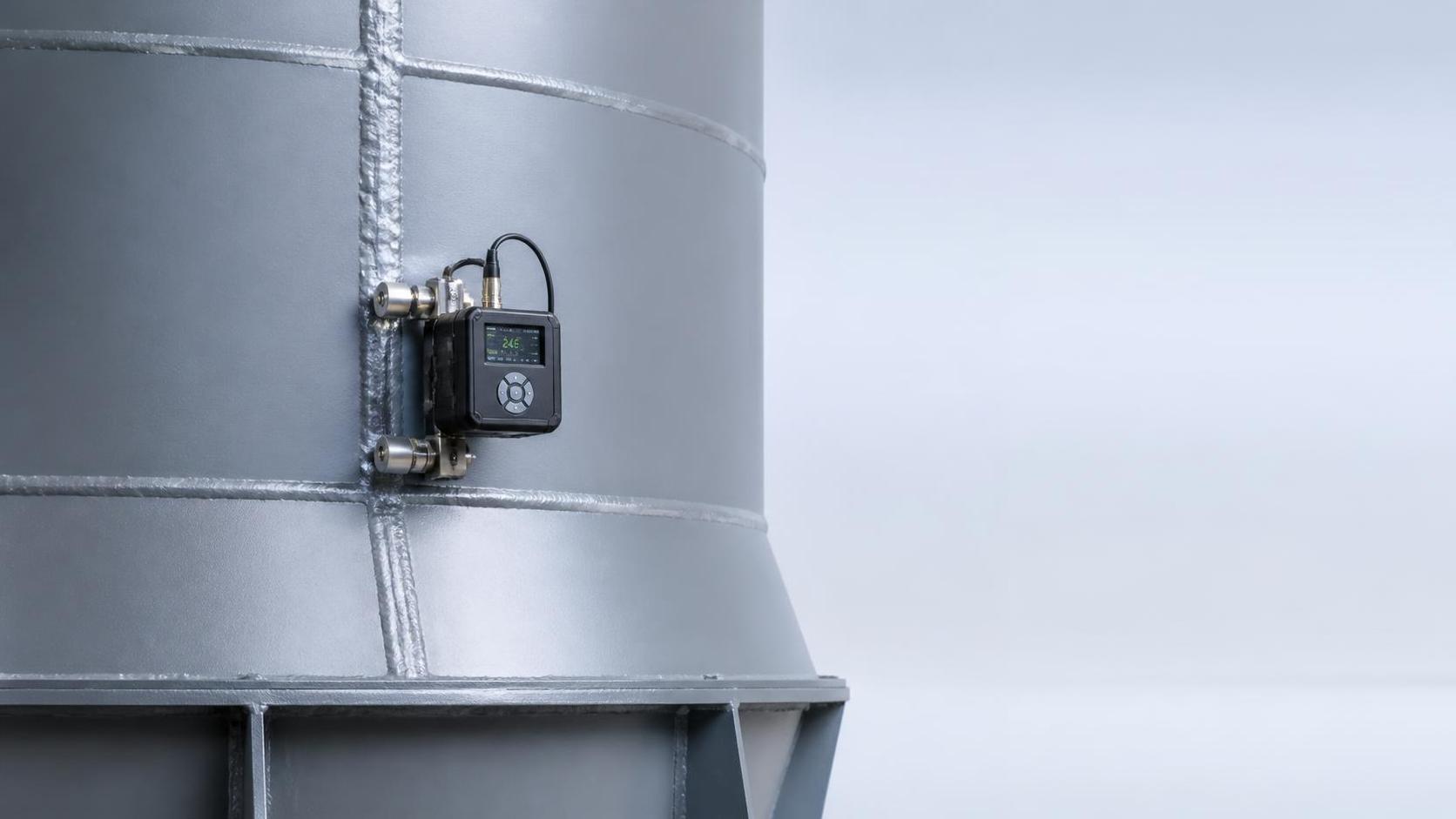
How to Inspect Weld Seams and Coatings on an Aging Welded Steel Silo
As welded steel silos age, weld seams and protective coatings need closer attention. A small coating failure near a roof penetration, a barely visible crack at a stiffener connection, or corrosion developing beneath accumulated material can gradually become a leak, contamination risk, or structural concern. The challenge is that many defects begin in locations that are inconvenient to access and easy to dismiss during a routine walk-around.
For maintenance teams, the objective is not simply to find rust. It is to determine whether a condition is cosmetic, active, localized, or likely to affect the safe operation of the welded steel silo. A disciplined inspection also creates a reliable maintenance history. That record is often more useful than a single visual observation because it shows whether a stain, crack indication, or coating defect is stable or progressing.
The inspection should be planned around the stored material, the silo’s duty cycle, access arrangements, weather exposure, and any known operational issues. Grain dust, abrasive mineral products, chemical vapors, condensation, and repeated filling and discharge cycles do not attack steel in the same way. An inspection method that works for a dry feed silo may be insufficient for a unit exposed to corrosive process conditions or frequent temperature changes.
Start With Safety, History, and a Clear Inspection Scope
Do not begin with a flashlight and a ladder. Before anyone approaches the structure, review the silo’s maintenance history, prior repair records, operating complaints, and available drawings. Note any reports of bridging, uneven discharge, exterior streaking, material loss, unexplained moisture, vibration, or changes in discharge behavior. These are not proof of a weld or coating failure, but they help direct attention to the right areas.
Access planning matters. Internal entry can involve confined-space hazards, residual material, dust, oxygen conditions, engulfment risk, and fall exposure. Isolation, cleaning, ventilation, entry permits, rescue arrangements, and gas testing should follow the site’s applicable procedures and local requirements. External inspection may also require fall protection, lift equipment, controlled access below the silo, and attention to wind conditions. If there is uncertainty about a suspected structural defect, avoid placing people or equipment where a local failure could create additional risk.
Divide the inspection into practical zones rather than treating the shell as one uniform surface: roof and roof connections, upper shell, vertical and circumferential seams, hopper or cone transitions, discharge area, supports, stiffeners, manholes, nozzles, ladders, platforms, and areas around fasteners or attachments. Defects tend to concentrate at changes in geometry, where water collects, where coating application was difficult, and where the structure experiences repeated stress.
Where Weld Problems Usually Reveal Themselves
A weld seam should be examined as part of the surrounding structure. Looking only at the bead can miss the more meaningful evidence: coating separation beside the weld, rust bleeding from an edge, distorted plate, a line of trapped moisture, or a crack extending into the heat-affected area. Clean the area enough to see the metal surface where possible. Dirt, loose paint, product residue, and surface oxidation can obscure the actual condition.
During a visual inspection, look for linear indications along or across the weld, undercut-like grooves, irregular bead profiles, pinholes, overlap, porosity exposed by corrosion, and abrupt changes in the seam contour. On an aging silo, the key question is often not whether the original weld appearance is perfect; it is whether the condition has changed, opened, corroded, or begun to transfer stress into adjacent plate.
Pay particular attention to weld terminations, intersections, and attachment welds. A crack is more likely to initiate where a weld stops sharply, where stiffeners meet the shell, around door frames, near support brackets, and at hopper transitions. These areas can see local stress concentration during filling, emptying, thermal movement, or vibration from nearby conveying equipment. A long horizontal or circumferential seam may appear sound while a short attachment weld nearby is beginning to fail.
Not every line is a crack. Coating checking, dried deposits, grinding marks, and staining can resemble one. If a suspect indication remains after cleaning, mark its ends, photograph it with a scale, and compare it at the next inspection. Where the consequence of failure is significant or the indication is ambiguous, use an appropriately qualified inspection provider to determine whether a non-destructive examination method is warranted. The method should match the question: surface-breaking indications, subsurface concerns, material thickness, coating condition, and access all affect the choice.
Signs That Need Faster Escalation
Some findings should not be left for the next annual shutdown. Examples include an open or growing crack, visible deformation near a seam, product leaking through a weld area, widespread corrosion around a load-bearing connection, loose supports, or a defect associated with unusual movement or vibration. A repair decision should consider the silo’s fill level, the nature of the stored material, and whether continued loading could worsen the defect. Temporary measures may be possible in some situations, but they should be defined by competent engineering judgment rather than improvised on site.
Assess the Coating as a Protection System
Coatings fail for several different reasons: ultraviolet exposure, standing water, impact, abrasion, poor adhesion, chemical contact, trapped moisture, or corrosion beneath a damaged film. The appearance of the paint alone does not tell the full story. A faded topcoat may still protect the steel, while a small blister near a seam can indicate moisture migration below the coating.
Inspect exterior surfaces in a consistent pattern, ideally from roof to base. Check roof laps, vent and inspection openings, handrail supports, flashing, shell penetrations, and the base area where splashback or poor drainage may keep steel wet. On the inside, focus on the roof space where condensation can occur, the material line, hopper walls exposed to abrasion, and dead zones where product accumulates. A coating in the upper shell may age from condensation, while a lower cone coating may wear primarily from material flow.
Record the type of coating damage rather than writing only “rust observed.” Useful descriptions include:
- Chalking or fading, which may indicate weathering of the exposed layer.
- Blistering, especially around seams or edges, which can suggest loss of adhesion or moisture below the film.
- Flaking and peeling, where the protective system is no longer continuous.
- Edge corrosion at welds, plate laps, nozzles, and attachments.
- Impact damage or abrasion exposing bare steel.
- Localized staining that may point to a leak, condensation route, or process exposure.
The boundary of the damage is as important as the damage itself. A small isolated chip from a tool strike can often be repaired locally after proper surface preparation. Repeated coating failure along a circumferential seam, beneath a roof drain path, or around multiple attachments calls for a broader diagnosis. Simply painting over recurrent corrosion may conceal the problem temporarily without addressing moisture, surface contamination, poor drainage, incompatible coating layers, or an underlying weld defect.
Use Inspection Tools With Purpose
A basic inspection kit can provide meaningful information when it is used methodically. Good lighting, a mirror, a camera, a measuring scale, a scraper for loose coating, and a marking method are often enough for an initial survey. A borescope can help inspect restricted spaces without unnecessary entry. Drones may assist with roof and upper-shell observations where site rules permit, although image quality and viewing angles need to be sufficient to distinguish a real defect from a shadow or stain.
For corrosion assessment, thickness measurements can help establish whether metal loss is localized or widespread. Measurements should be taken on cleaned locations and compared against reliable design or fabrication records when available. Isolated readings without location references are of limited value. Create a grid or use recognizable structural references so later readings can be taken at the same points.
Coating thickness gauges and adhesion testing may also be useful, but results require interpretation. A thickness reading does not confirm adhesion, and an adhesion test can damage an already weakened coating. Use these tools to answer a defined maintenance question, not because they are available. If the coating manufacturer’s original system details are unavailable, a repair contractor may need to identify the existing surface condition and recommend a compatible preparation and repair approach.
Document Defects So the Next Inspection Is Better
A useful inspection report does not need to be elaborate, but it must make the findings traceable. Give each issue a location reference, such as “north shell, approximately one metre below roof seam” or “hopper transition adjacent to discharge-side stiffener.” Include close and wider-context photographs, dimensions, date, operating status, observed condition, suspected cause if known, and recommended action. Marking a defect on a simple silo sketch often prevents confusion months later.
Rank findings by consequence and progression. A cosmetic coating fade can be scheduled with other planned work. A small bare-metal spot in a dry indoor setting may need prompt touch-up but not an emergency shutdown. Corrosion at a support connection, active leakage at a weld, or cracking near a hopper transition deserves a higher priority because the possible consequence is greater. Where progression cannot be confirmed, set a short reinspection interval rather than assuming stability.
This approach is especially valuable when multiple units are managed across a site. It allows maintenance planners to separate routine coating renewal from defects needing engineering review, access equipment, cleaning time, or production coordination.
Repair Decisions: Do Not Treat Welding and Painting as Separate Tasks
A sound repair sequence begins with finding the cause. If a crack is related to repeated movement, an overloaded attachment, poor support condition, or local distortion, rewelding alone may not resolve it. Likewise, coating repair over contaminated steel or damp surfaces is likely to fail early. The repair scope should address access, cleaning, defect removal where required, weld repair procedure, inspection after repair, surface preparation, coating compatibility, and curing conditions.
For active silos, plan repairs around material removal and safe isolation. Internal coating repairs may need adequate ventilation and conditions that keep dust and humidity from undermining surface preparation. In abrasive service, it is worth considering whether the original coating system is suitable for the actual wear pattern rather than repeatedly applying the same local patch. The best solution can be a targeted redesign of a wear-prone area, but that depends on the silo geometry and process conditions.
This practical connection between fabrication and service conditions is important in steel storage projects. Shandong Guokai International Trade Co., Ltd. integrates development, manufacturing, and sales of steel storage silos, with project experience across grain, building materials, electric power, and chemical applications. For maintenance planning, that kind of cross-industry perspective is useful because the inspection priorities for moisture-sensitive grain, abrasive building materials, and chemically active products can differ substantially.
Smaller installations should not be assumed to need less discipline. Compact units, including Small Feed Interlock Silos, can have limited access around roof openings, discharge areas, and connected equipment. Their inspection plan should still cover seam condition, coating damage, water entry points, and the effects of frequent operating cycles.
Make Inspection a Repeatable Operating Practice
The most effective inspection program combines routine observation with periodic close examination. Operators can report leaks, discoloration, vibration, and coating damage noticed during normal rounds. Maintenance personnel can then evaluate those observations during planned access windows. After severe weather, process upsets, impact events, or modifications to connected equipment, an additional focused check is sensible.
An aging welded steel silo rarely fails without warning, but the warning signs may be fragmented: a rust streak, a blister at a seam, a repair that keeps returning, or a change in how the structure behaves during discharge. Bringing those observations into one documented inspection record makes it easier to act before a minor defect becomes a production interruption. When a finding involves cracking, deformation, meaningful wall loss, or a load-bearing connection, pause routine assumptions and obtain a condition assessment suited to the specific silo, stored material, and operating demands.
Related Posts
- ▶ How a Dry Bulk Silo Handles Pneumatic Filling and Gravity Discharge
- ▶ What Is a Dry Bulk Silo, and When Does a Factory Need One?
- ▶ Can dry bulk storage silos be integrated into existing PLC-controlled batching systems?
- ▶ Do dry bulk silos designed for API 650 compliance meet ASME Section VIII requirements?
- ▶ Is almacénamiento de sólidos a granel en silos de acero inoxidable viable for small-scale agrochemical distributors?
- ▶ How do vibration-based level sensors perform in stainless steel silos with powder coating?
Online Message