





Storage Tank Inspection Checklist for Safer Daily Operation
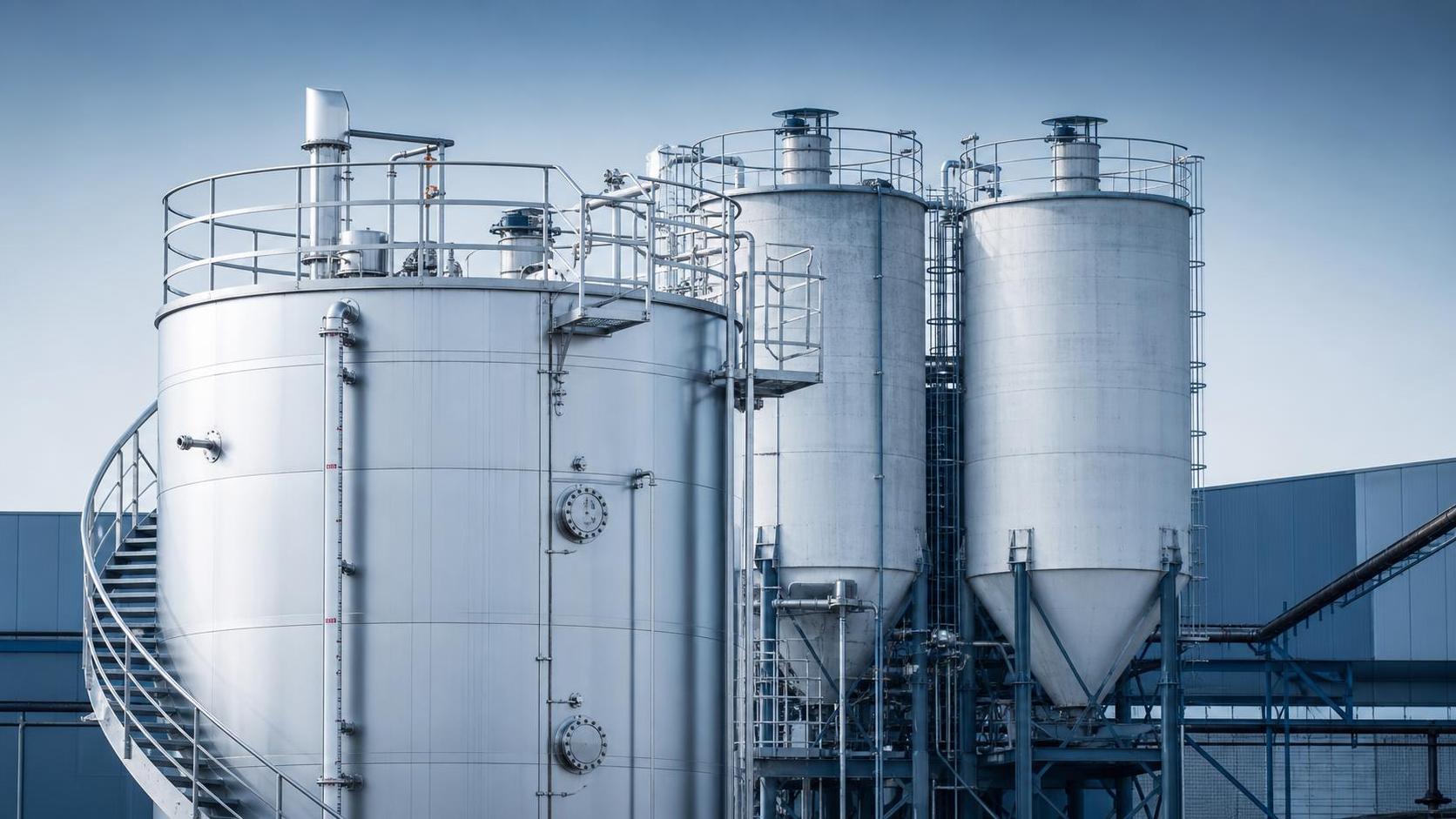
Why does a storage tank inspection checklist matter every day?
A storage tank rarely fails without warning. Small signs usually appear first, and daily inspection is where those signs are caught.
That is why a practical storage tank checklist supports both safer operation and steadier production. It reduces surprises, contamination risk, and unplanned shutdowns.
In grain, cement, power, and chemical handling, the same principle applies. A tank or silo must stay structurally sound, sealed, clean, and easy to control.
Shandong Guokai International Trade Co., Ltd. works across steel silo projects for these industries, so the operating logic is familiar: inspection is not paperwork, but a control measure.
A good storage tank inspection checklist should help answer real questions. What changed since yesterday? Which defect can wait? Which one needs immediate isolation?
What should be checked first when approaching a storage tank?
Start from the outside and resist the urge to jump straight to instruments. Visual condition often reveals the fastest clues.
The first pass should focus on obvious abnormalities:
- Shell deformation, dents, bulging, or unusual settlement
- Corrosion spots, coating failure, or moisture staining
- Leaks around flanges, nozzles, manways, and discharge points
- Loose bolts, cracked weld areas, or damaged supports
- Unsafe access ladders, platforms, guardrails, or cages
After that, check product-related conditions. Dust build-up, residue, bridging, caking, or unusual discharge behavior can indicate internal blockage or moisture problems.
For bulk solids, a storage tank may behave more like a process vessel than a passive container. That is especially true in cement and mineral applications.
In that setting, designs similar to Vertical Bulk Cement Silos for Batching Plant are often judged not only by capacity, but by discharge stability and inspection accessibility.
Which inspection points are easy to miss but create serious risk?
The most overlooked issues are usually the small interface points. They look minor until pressure loss, contamination, or release happens.
Pay close attention to valves, seals, vents, and level devices. These components control how the storage tank breathes, fills, empties, and stays within limits.
A leaking gasket may appear harmless at first. In practice, it can allow moisture entry, material hardening, or product loss that spreads into a wider maintenance issue.
Pressure relief devices deserve special attention. If they are blocked, corroded, or stuck, the storage tank may face abnormal pressure during loading or aeration.
Instrumentation is another quiet failure point. A false high-level alarm, drifting sensor, or damaged cable can make operators trust conditions that are no longer real.
The table below helps separate routine findings from issues that usually require faster action.
How often should a storage tank be inspected, and what belongs in each cycle?
One schedule does not fit every storage tank. Inspection frequency depends on material type, operating stress, environment, and failure consequence.
A useful approach is to divide checks into daily, periodic, and shutdown-level reviews.
Daily checks
These are fast checks for visible leaks, abnormal sound, dust escape, gauge behavior, and access safety. The goal is early detection, not full diagnosis.
Weekly or monthly checks
These usually cover bolts, support points, vent function, valve action, and trend comparison. More common failures show up here before they become urgent.
Planned shutdown checks
This is when internal inspection, thickness measurement, detailed corrosion review, and structural assessment can be done properly.
In actual operations, the better question is not only how often, but what changed. A stable tank in dry service needs a different rhythm than a dusty or corrosive one.
If loading rates increase, material properties change, or weather exposure worsens, the storage tank checklist should be adjusted rather than copied forward unchanged.
When does a defect become a stop-work issue instead of a maintenance note?
This is where many inspection programs lose value. Findings are recorded, but not ranked by operational consequence.
A storage tank issue usually needs immediate escalation when it affects containment, structural stability, or pressure protection.
- Active leakage that is increasing during operation
- Visible shell distortion or support movement
- Blocked or failed pressure relief path
- Foundation cracking with change from previous condition
- Level protection or alarm failure before filling
Other findings can often be controlled temporarily, but only if the limit is defined. That may include a monitored corrosion area or minor seal wear with no active release.
The key is documentation with judgment. Notes such as “monitor later” are too vague unless they include trigger points, timing, and responsibility.
How do different industries change the storage tank checklist?
The checklist framework stays similar, but the failure priorities shift by material and process.
In grain handling, moisture ingress, residue, and sanitation may matter as much as structural condition. In chemicals, compatibility and seal integrity move higher on the list.
For building materials, dust control, discharge flow, and anti-bridging performance are often central. In power-related storage, reliability under repeated cycles can dominate inspection planning.
That is why steel silo and storage systems should be reviewed in relation to their actual duty. A vessel handling dry cement faces different daily risks than one storing feed grain.
Where bulk material continuity is critical, solutions like Vertical Bulk Cement Silos for Batching Plant are usually evaluated alongside inspection access, venting arrangement, and maintenance practicality.
What makes a checklist useful instead of just compliant?
A useful checklist is specific enough to guide action, but short enough to be used consistently.
It should avoid generic phrases like “check equipment condition.” That wording creates records, but it does not improve judgment.
A stronger storage tank checklist uses observable criteria:
- Is there fresh leakage, residue trail, or staining?
- Do pressure relief and vent parts appear blocked or damaged?
- Has the level indicator matched actual fill history?
- Are bolts, anchors, and supports unchanged from the last review?
- Is access safe enough for the next inspection or maintenance task?
It also helps to separate “observe,” “verify,” and “escalate.” Those three verbs clarify whether the inspector is documenting, confirming, or stopping a risk.
If repeated defects appear in the same area, the checklist should be revised. Recurring leakage or corrosion means the issue is systemic, not incidental.
What is the practical next step after building the checklist?
Begin with one storage tank or silo line rather than the full site. Test the checklist in real rounds and see where entries are unclear or too broad.
Then compare inspection items against actual failure history. If a known problem is missing from the checklist, the document is too theoretical.
It is also worth aligning the checklist with maintenance escalation rules, spare parts readiness, and shutdown planning. Inspection only works when findings can lead somewhere.
A reliable storage tank program comes from repetition, review, and adjustment. The checklist should reflect operating reality, not just the original design file.
If the goal is safer daily operation, focus next on defining critical points, setting response thresholds, and updating the checklist whenever material, loading pattern, or environment changes.
Related Posts
- ▶ How a Dry Bulk Silo Handles Pneumatic Filling and Gravity Discharge
- ▶ What Is a Dry Bulk Silo, and When Does a Factory Need One?
- ▶ Can dry bulk storage silos be integrated into existing PLC-controlled batching systems?
- ▶ Do dry bulk silos designed for API 650 compliance meet ASME Section VIII requirements?
- ▶ Is almacénamiento de sólidos a granel en silos de acero inoxidable viable for small-scale agrochemical distributors?
- ▶ How do vibration-based level sensors perform in stainless steel silos with powder coating?
Online Message