





Fly Ash Silo Discharge Problems: Common Causes and Fixes
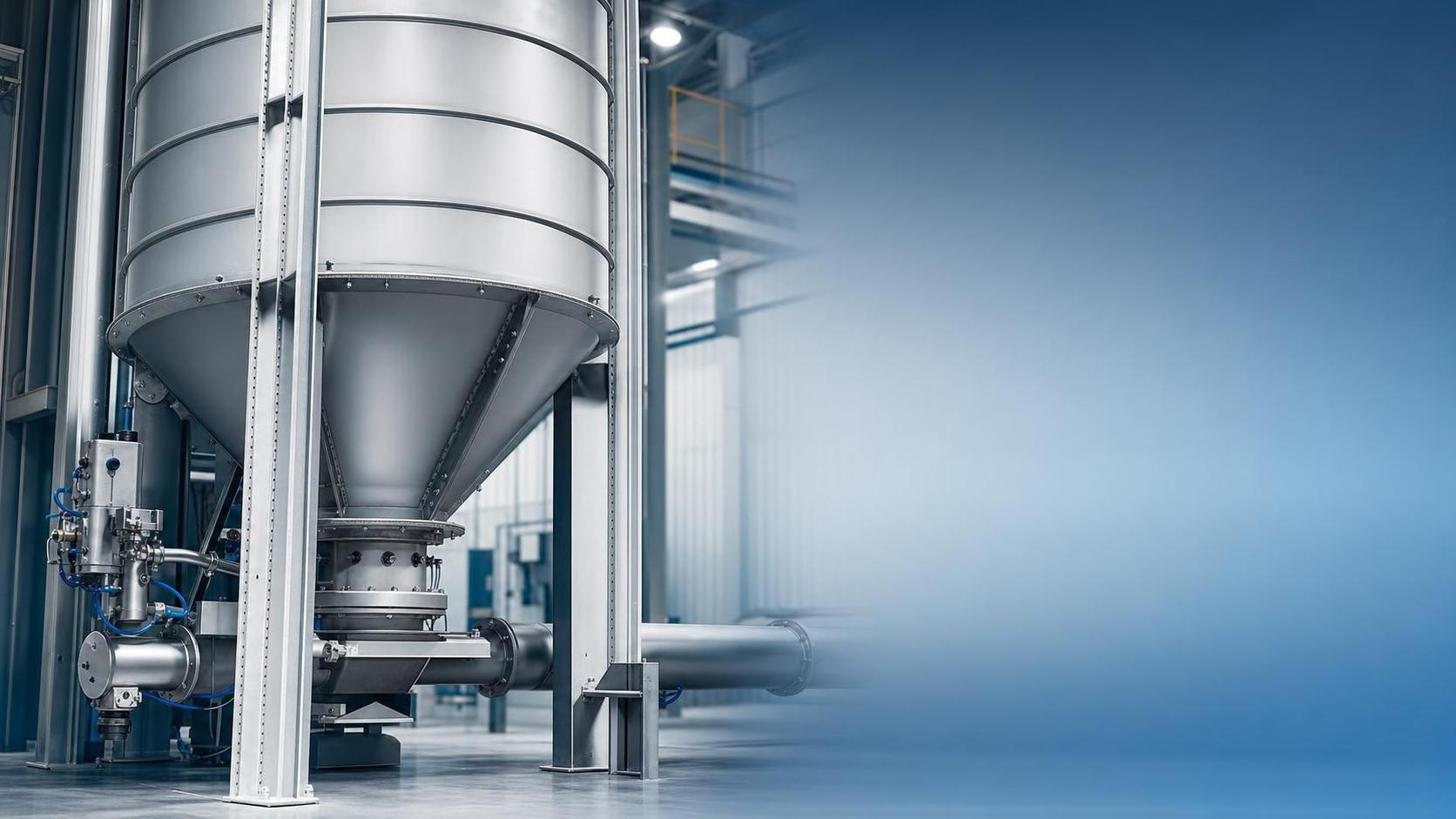
Fly Ash Silo Discharge Problems: Common Causes and Fixes
Fly ash silo discharge problems can quickly reduce plant efficiency and raise operating risk.
Small flow issues often turn into shutdowns, emergency cleaning, and repeated maintenance work.
That is why early diagnosis matters.
A fly ash silo usually handles fine, dry powder, but real operating conditions are rarely perfect.
Moisture, poor aeration, bad hopper geometry, and inconsistent material properties can all block discharge.
In practice, stable flow depends on both equipment design and daily operating discipline.
Shandong Guokai International Trade Co., Ltd. works on steel storage silo development, manufacturing, and project construction for grain, building materials, power, and chemical industries.
That cross-industry experience shows one consistent truth: discharge reliability is never accidental.
The sections below explain the most common fly ash silo discharge problems, their likely causes, and the fixes that usually work best on site.
Why a Fly Ash Silo Stops Discharging Smoothly
Most discharge failures begin with a change in powder behavior inside the hopper.
Fly ash may look uniform, yet particle size, moisture level, and temperature can shift from batch to batch.
When flow conditions change, the fly ash silo may form a stable bridge above the outlet.
In other cases, only a narrow channel empties while the outer material stays stuck to the walls.
This is where maintenance teams should separate symptoms from root causes.
- Sudden zero flow often points to arching.
- Reduced but uneven flow usually suggests ratholing.
- Sticky residue near the cone often indicates moisture or condensation.
- Pulsing discharge may be linked to unstable air supply.
- Frequent line plugging can reflect both poor silo flow and downstream handling issues.
Once the symptom is clear, the repair path becomes faster and more accurate.
Arching in a Fly Ash Silo
Arching happens when fly ash forms a self-supporting bridge above the discharge outlet.
Material remains in the silo, but nothing reaches the feeder or conveying line.
This problem is common when the outlet is too small for the powder’s actual flow properties.
Common Causes
- Outlet diameter does not match fine powder behavior.
- Fly ash contains moisture and becomes cohesive.
- Long storage time causes compaction.
- Aeration pads are blocked or underperforming.
- The cone angle is too shallow for mass flow.
Practical Fixes
Start with the least invasive checks.
- Inspect air pads, air slides, and air supply pressure.
- Check whether compressed air contains water or oil contamination.
- Break compacted zones using approved mechanical or pneumatic methods.
- Review outlet size and hopper design if the problem repeats.
- Reduce long idle storage periods where possible.
If arching returns after cleaning, the issue is likely structural rather than operational.
Ratholing and Uneven Material Flow
Ratholing is another frequent fly ash silo problem.
In this case, only a central channel empties while material near the walls stays in place.
The silo may appear to discharge normally at first, then suddenly lose capacity.
A hidden rathole also increases the chance of sudden collapse, which can overload downstream equipment.
What Usually Causes Ratholing
- Wall friction is too high.
- Internal surfaces are rough, worn, or coated with residue.
- The fly ash silo was designed for funnel flow instead of mass flow.
- Material moisture creates sticky wall buildup.
How to Correct It
First, inspect the cone and wall surfaces during shutdown.
Look for hardened fly ash, corrosion, or liner damage.
Then review whether the discharge aid system covers the full critical zone.
Some sites solve repeated buildup by upgrading liners or improving anti-corrosion protection.
In chemical powder storage, equipment such as Anti-Corrosion Tanks for Chemical Powder & Pellets shows how surface protection can directly support material flow stability.
The same principle applies when a fly ash silo works in aggressive or humid conditions.
Moisture Buildup, Condensation, and Caking
Moisture is one of the most underestimated causes of fly ash silo discharge problems.
Even a small amount of water can turn free-flowing ash into sticky lumps.
Once caking starts, discharge becomes slower, less predictable, and more labor-intensive.
Typical Moisture Sources
- Wet compressed air entering the aeration system.
- Condensation caused by temperature differences.
- Poor roof sealing or damaged inspection covers.
- High-humidity ambient conditions during long storage.
- Residual water after cleaning or maintenance.
Recommended Actions
Check air dryers, filters, drains, and pressure dew point records.
Inspect all roof openings and gasket conditions.
If condensation is frequent, review insulation and ventilation around the silo shell.
Also verify whether fresh hot fly ash is being loaded into a cold silo.
That temperature swing often creates hidden internal moisture before visible blockage appears.
Poor Air Flow and Aeration Failure
Many fly ash silo systems rely on aeration to keep powder fluidized near the outlet.
When the air system weakens, flow resistance increases quickly.
The result may look like a material problem, but the real cause is air distribution.
What to Inspect
Do not raise air pressure blindly, because too much air can create flushing, segregation, or unstable feeding.
Mechanical and Structural Causes
Not every fly ash silo issue comes from the powder itself.
Mechanical wear and structural deviation can also disrupt discharge performance.
- A worn rotary valve may restrict material release.
- A misaligned screw conveyor may overload and trip.
- A damaged level sensor may give false empty or false full signals.
- A deformed cone may change the expected flow path.
Recent operating changes are often the best clue.
If the fly ash silo worked for years and then began failing, compare current conditions with the original design basis.
New ash sources, higher throughput, and retrofitted downstream equipment can all shift the load profile.
That is also why corrosion resistance and surface durability matter in adjacent storage equipment, including Anti-Corrosion Tanks for Chemical Powder & Pellets used in demanding powder environments.
A Practical Troubleshooting Sequence
A repeatable inspection sequence saves time and avoids unnecessary disassembly.
- Confirm the symptom: no flow, low flow, pulsing flow, or line blockage.
- Check material condition at the hopper outlet and cone walls.
- Inspect the aeration system, pressure, valves, and air quality.
- Review moisture entry points and condensation risk.
- Verify outlet equipment operation, including feeders and valves.
- Compare current fly ash characteristics with previous stable periods.
- Document findings, corrective actions, and recurrence patterns.
This approach makes future diagnosis faster and supports long-term reliability improvement.
How to Prevent Future Fly Ash Silo Discharge Problems
Prevention usually costs less than repeated emergency intervention.
A stable fly ash silo needs routine inspection, operating discipline, and periodic design review.
- Keep compressed air dry and clean.
- Inspect aeration pads on a fixed maintenance cycle.
- Monitor for condensation after seasonal temperature shifts.
- Remove residue before wall buildup hardens.
- Review hopper geometry if problems repeat under normal operation.
- Track ash source changes and particle behavior.
The stronger signal is not one blockage.
It is the pattern of similar blockages returning under similar conditions.
That pattern usually reveals whether the fly ash silo needs better maintenance, process control, or a design upgrade.
By addressing arching, ratholing, moisture, and poor air flow in a structured way, discharge becomes more predictable, downtime drops, and silo performance stays dependable over the long term.
Related Posts
- ▶ How a Dry Bulk Silo Handles Pneumatic Filling and Gravity Discharge
- ▶ What Is a Dry Bulk Silo, and When Does a Factory Need One?
- ▶ Can dry bulk storage silos be integrated into existing PLC-controlled batching systems?
- ▶ Do dry bulk silos designed for API 650 compliance meet ASME Section VIII requirements?
- ▶ Is almacénamiento de sólidos a granel en silos de acero inoxidable viable for small-scale agrochemical distributors?
- ▶ How do vibration-based level sensors perform in stainless steel silos with powder coating?
Online Message