





Storage Tank Buying Checklist: Material, Pressure Rating, and Lifecycle Cost
Storage Tank Buying Checklist: Material, Pressure Rating, and Lifecycle Cost
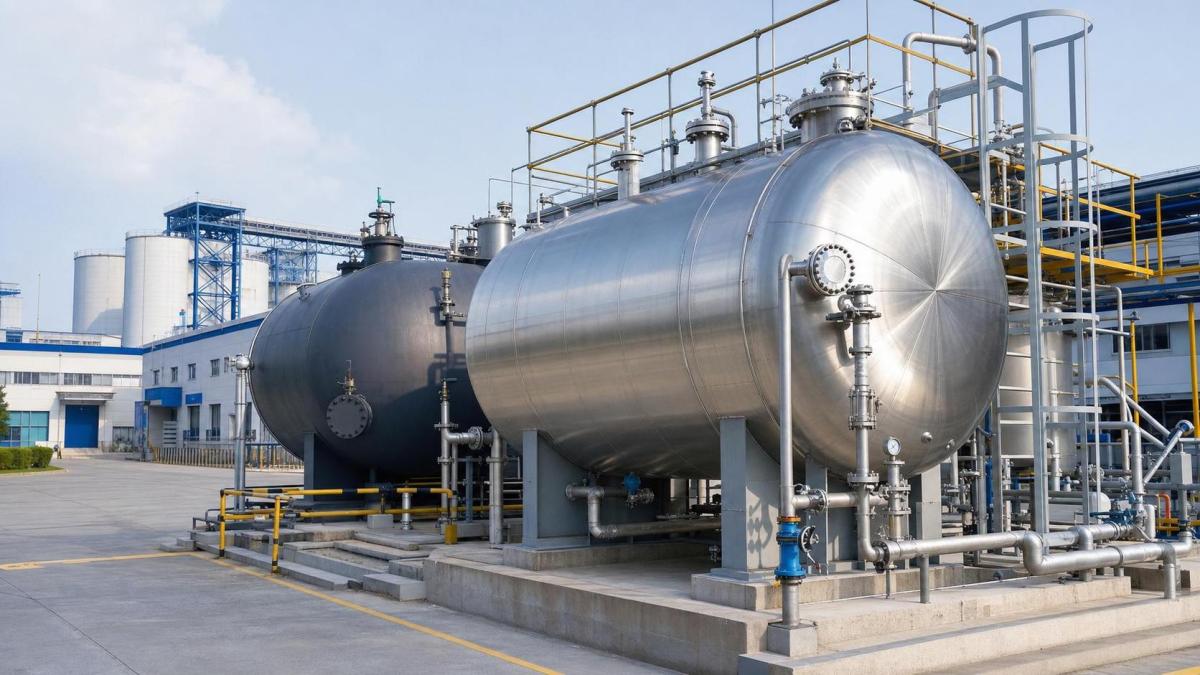
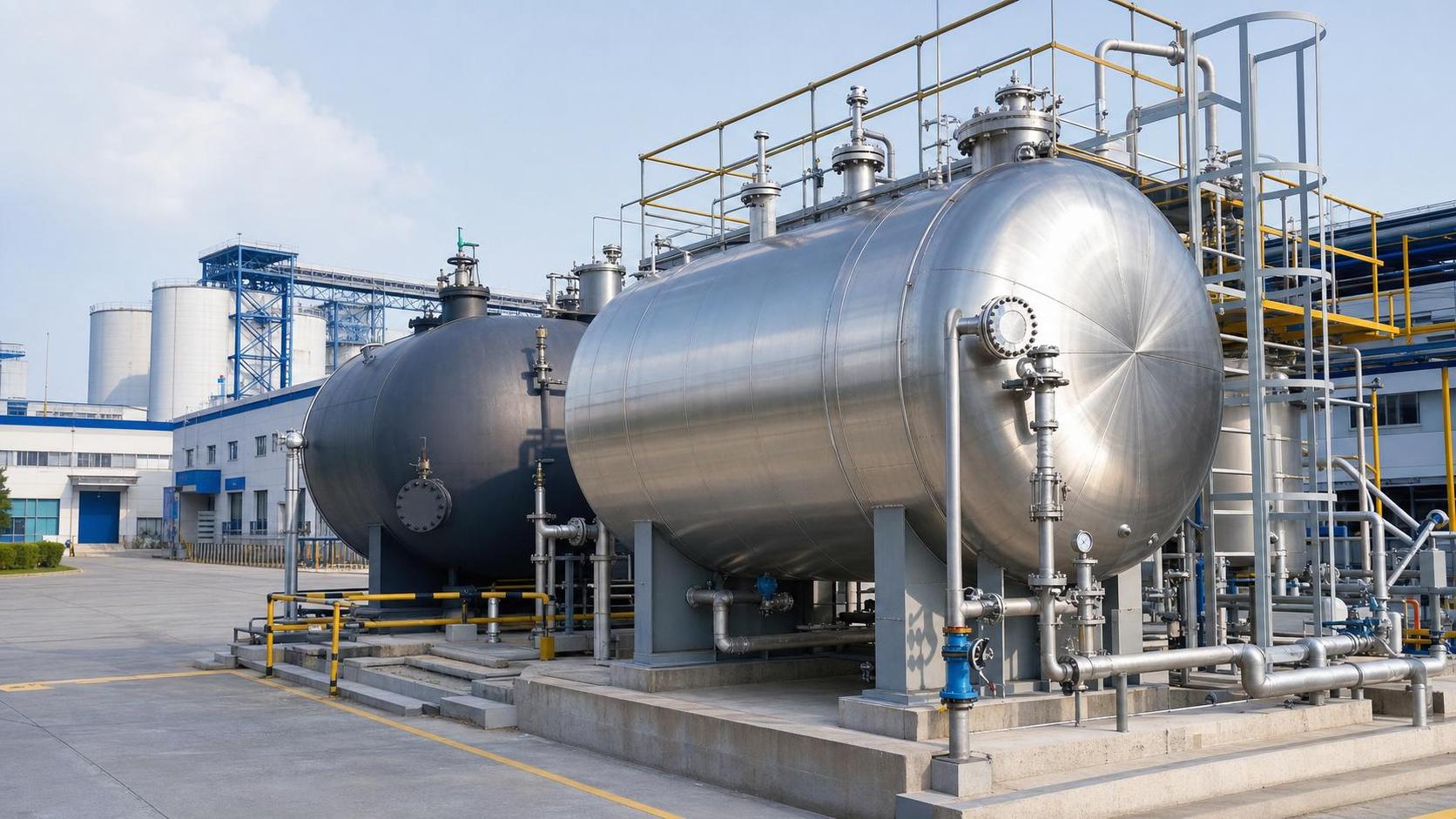
Choosing the right storage tank involves more than comparing prices. A lower quote can hide higher maintenance, compliance, and replacement costs later.
A smart storage tank purchase starts with total fit. That includes stored media, pressure conditions, site limits, and expected service life.
In practice, the best buying decision balances technical safety with commercial value. This checklist helps you compare options with fewer surprises after installation.
It also supports better vendor discussions. When requirements are clear, quotes become easier to evaluate on more than unit price alone.
1. Define What the Storage Tank Must Handle
Start with the stored substance. Water, chemicals, fuel, slurry, and food-grade liquids create very different demands for a storage tank.
Check chemical compatibility first. Corrosion, swelling, lining failure, and contamination often begin when material selection happens too late.
Temperature matters just as much. Some media stay stable at ambient conditions, while others need insulation, heating, or protection from freezing.
Also confirm whether the contents are hazardous, volatile, abrasive, or sanitary-sensitive. Each factor changes the storage tank design and cost profile.
- Identify liquid, gas, powder, or semi-solid characteristics.
- Review pH level, solids content, and contamination risk.
- Confirm normal and peak operating temperatures.
- Document cleaning method and cleaning frequency.
This first step shapes everything else. If the stored media is not clearly defined, even a premium storage tank can become the wrong asset.
2. Choose the Right Material for Service Conditions
Material selection drives durability, safety, and maintenance cost. It is often the biggest technical factor in long-term storage tank performance.
Carbon steel is common for many industrial applications. It offers strength and cost efficiency, but usually needs coatings or corrosion control.
Stainless steel fits corrosive or hygienic environments better. Its purchase price is higher, yet service life and cleaning performance can justify the premium.
FRP and polyethylene can work well for certain chemicals. They also reduce weight, though pressure, UV exposure, and impact limits must be checked carefully.
Lined tanks create another option. The base tank provides structure, while the lining protects against aggressive contents.
A useful rule is simple. Match the storage tank material to the worst operating condition, not just the average one.
3. Verify Pressure Rating and Design Margin
Pressure rating is not a box to tick quickly. It affects safety, code compliance, insurance exposure, and future operating flexibility.
Some buyers focus only on normal pressure. A better approach reviews startup peaks, temperature shifts, filling speed, and possible vacuum conditions.
A storage tank may face internal pressure, external loads, or both. Wind, seismic conditions, and support structure can also affect design needs.
This is where standards become important. Depending on application, the tank may need to align with ASME, API, UL, or local regulatory codes.
- Confirm operating pressure and maximum allowable pressure.
- Check vacuum rating if rapid discharge is possible.
- Review nozzle loads and connection requirements.
- Ask for design calculations and certification records.
In real projects, underestimating pressure range is expensive. It often causes retrofit work, delayed approval, or early replacement of the storage tank.
4. Check Capacity, Footprint, and Installation Constraints
Capacity planning should reflect actual operations, not just current monthly demand. Growth, peak consumption, and supply interruption buffers all matter.
At the same time, larger is not always better. An oversized storage tank can increase idle volume, cleaning time, and capital cost.
Site conditions deserve equal attention. Access roads, crane space, foundation limits, and door clearances can determine which tank format is feasible.
Orientation also affects operation. Vertical and horizontal storage tank designs offer different footprint, maintenance access, and process integration benefits.
- Estimate required working volume and emergency reserve.
- Compare available floor space and height restrictions.
- Review transport route and lifting limitations.
- Confirm foundation, anchoring, and secondary containment needs.
These details can change project economics fast. A competitively priced storage tank may become costly if installation complexity was missed early.
5. Review Compliance, Safety, and Documentation
Compliance is where many buying decisions either become smoother or more painful. The right paperwork saves time during approval, inspection, and commissioning.
A storage tank should arrive with clear drawings, material certificates, testing records, and operating limits. Missing documentation often delays acceptance.
Safety accessories matter too. Depending on service, you may need vents, relief devices, level gauges, overflow protection, and leak detection.
If the site handles regulated fluids, secondary containment and environmental rules must be reviewed before the order is finalized.
- Request code certificates and factory test reports.
- Verify weld procedures and inspection methods.
- Confirm safety fittings match the operating scenario.
- Check local permit and environmental requirements.
This part may seem administrative, but it protects schedule and liability. A compliant storage tank is easier to install, insure, and operate.
6. Compare Lifecycle Cost, Not Just Purchase Price
This is usually where the strongest buying decision appears. Two storage tank quotes may look similar, yet deliver very different long-term value.
Lifecycle cost includes installation, coating renewal, inspection, cleaning, downtime, energy use, spare parts, and expected service life.
For example, a lower-cost tank may need frequent maintenance shutdowns. A higher-grade storage tank may reduce those disruptions over several years.
Replacement timing also matters. If one option lasts five years longer, the total ownership picture changes quickly.
When lifecycle cost is visible, negotiations improve. The conversation moves from cheapest storage tank to best long-term operational return.
7. Evaluate Supplier Capability and After-Sales Support
A storage tank is only as reliable as the supplier behind it. Good fabrication must be matched by responsive technical and service support.
Look beyond the brochure. Review reference projects, manufacturing quality controls, delivery history, and ability to customize details when needed.
After-sales support often becomes critical later. Spare parts availability, inspection guidance, and response time can reduce operating disruption.
It is also useful to compare warranty terms carefully. A longer warranty means little if exclusions are broad or claims are slow.
- Ask for similar application case histories.
- Review lead time reliability and production capacity.
- Check service response process after delivery.
- Compare warranty scope, exclusions, and claim steps.
A dependable supplier lowers hidden risk. That can be just as valuable as a well-designed storage tank.
Final Buying Checklist for a Better Storage Tank Decision
Before placing an order, bring everything into one final review. This step helps prevent technical gaps and commercial surprises.
- Confirm media compatibility and full operating conditions.
- Verify storage tank material and corrosion strategy.
- Check pressure rating, code compliance, and safety fittings.
- Validate capacity, layout, transport, and installation constraints.
- Compare lifecycle cost, not just purchase price.
- Review supplier strength, warranty, and service support.
A well-selected storage tank supports safer operations, better uptime, and stronger cost control over time. That is the real goal behind a confident purchase.
Use this checklist during specification, quotation review, and final negotiation. It keeps the decision practical, defensible, and aligned with long-term value.
Related Posts
- ▶ How a Dry Bulk Silo Handles Pneumatic Filling and Gravity Discharge
- ▶ What Is a Dry Bulk Silo, and When Does a Factory Need One?
- ▶ Can dry bulk storage silos be integrated into existing PLC-controlled batching systems?
- ▶ Do dry bulk silos designed for API 650 compliance meet ASME Section VIII requirements?
- ▶ Is almacénamiento de sólidos a granel en silos de acero inoxidable viable for small-scale agrochemical distributors?
- ▶ How do vibration-based level sensors perform in stainless steel silos with powder coating?
Online Message