





Industrial Silos for Powder and Granule Storage: How to Match Design to Material
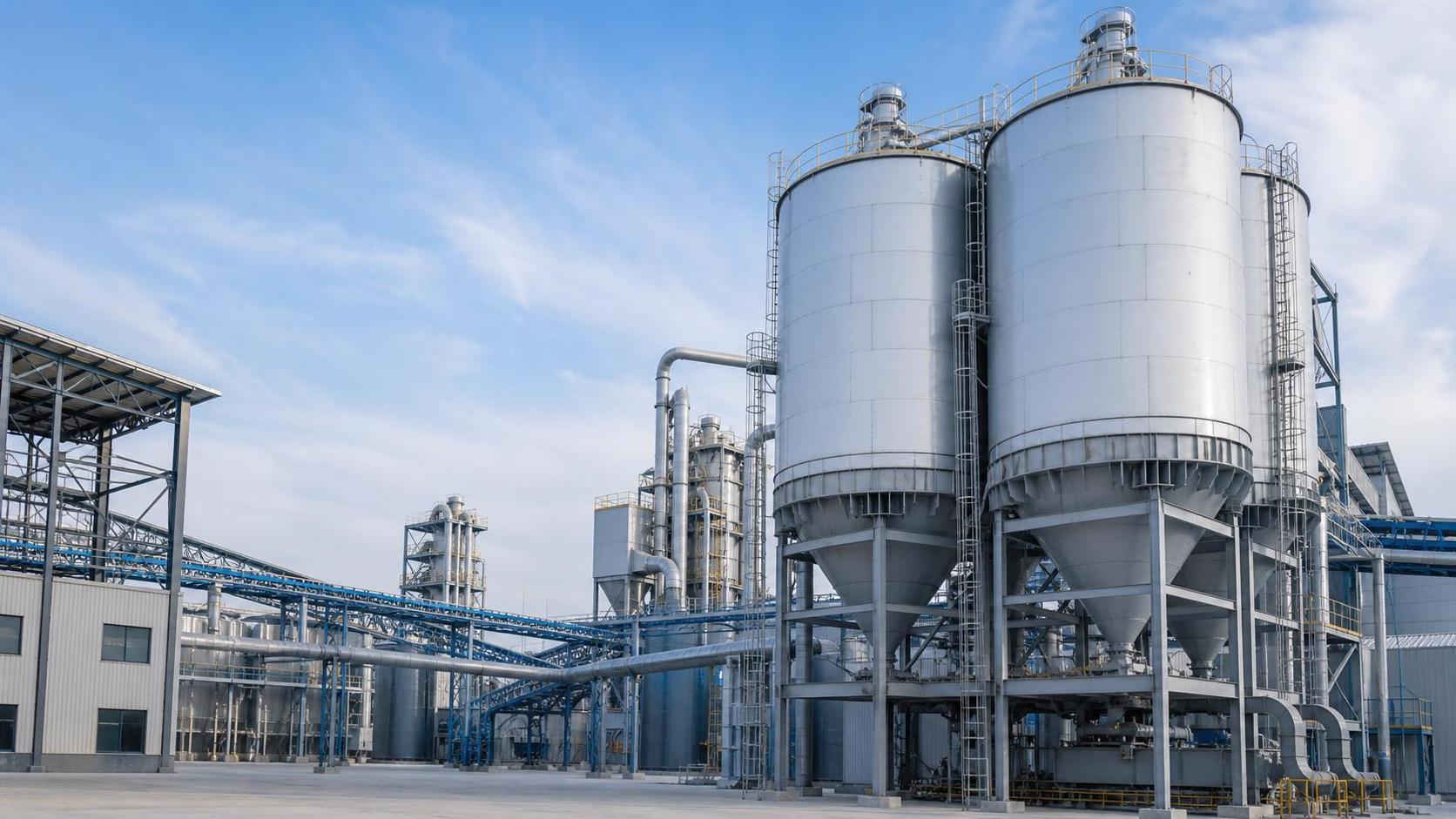
Why material behavior changes the right silo choice
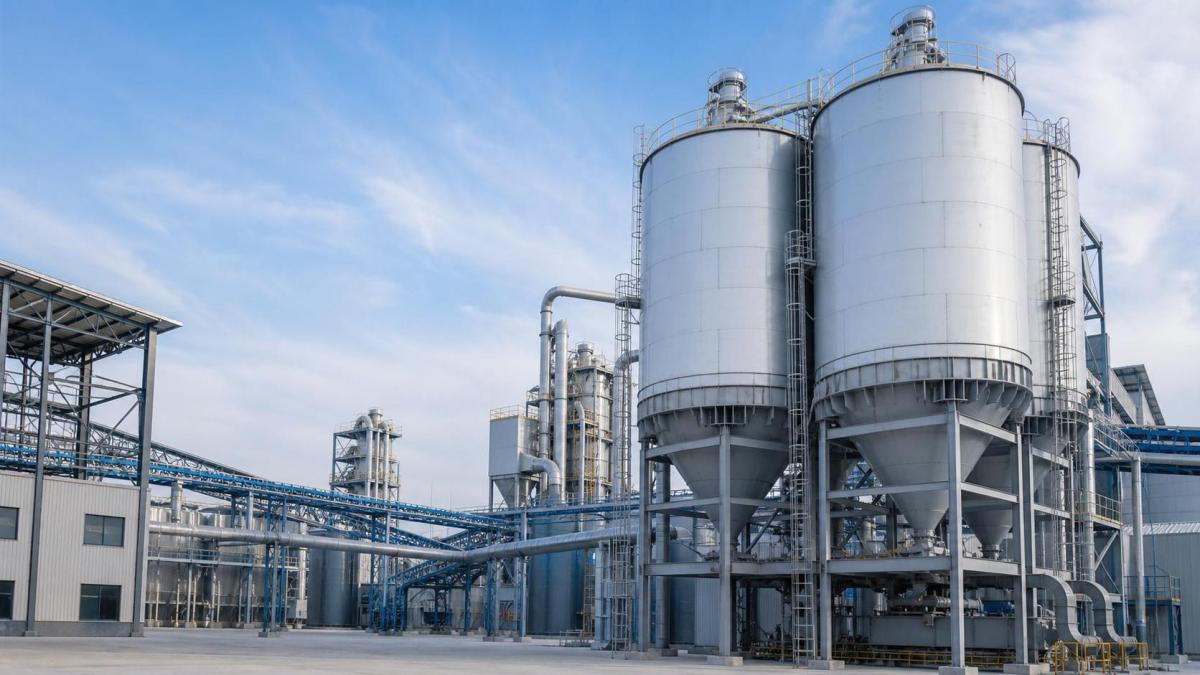
Selecting industrial silos for powders and granules starts with material behavior, not storage volume alone.
A silo that works well for plastic pellets may fail quickly with flour, cement, lime, or mineral powder.
In practical projects, flow reliability, product stability, dust control, and discharge consistency usually decide long-term performance.
That is why industrial silos should be matched to bulk density, particle size, moisture sensitivity, angle of repose, and bridging tendency.
The same footprint can produce very different results when the stored material compacts, segregates, absorbs humidity, or generates airborne dust.
A sound design decision usually balances four concerns at once: storage safety, stable discharge, clean operation, and realistic lifecycle cost.
In real operations, not every powder or granule asks for the same silo design
Different application settings create different design priorities for industrial silos.
Some facilities need fast turnover and frequent filling cycles.
Others need long residence time, careful moisture control, or highly predictable dosing downstream.
This is where similar-looking storage projects begin to separate.
Free-flowing granules often tolerate simpler hopper geometry.
Fine cohesive powders often need steeper cone angles, flow aids, and more attention to venting and wall finish.
If the material is fragile, the concern shifts again.
Then industrial silos must limit particle degradation during filling, avoid excessive drop height, and keep segregation under control.
Where powders become the main challenge
Powders usually create the toughest flow problems.
Cement, fly ash, starch, lime, and chemical additives can arch over outlets or rathole inside the vessel.
In these cases, industrial silos need careful outlet sizing and a discharge concept based on tested material data.
Relying only on nominal capacity often leads to expensive rework after commissioning.
Where granules look easy but still need attention
Granules are generally easier to store, but not always simpler to handle.
Plastic resin, fertilizer, salt, grain-based granules, or mineral pellets may flow well yet still segregate during filling.
If size distribution matters downstream, industrial silos should reduce funnel flow and support more uniform reclaim behavior.
This becomes especially important when blending accuracy or feeding consistency affects process quality.
Typical storage situations reveal different decision points
A useful way to compare industrial silos is to look at how storage conditions change the actual engineering priorities.
These differences explain why one industrial silo design rarely fits every powder and granule application.
When discharge performance matters more than nominal capacity
Many storage problems begin at the discharge zone.
A large vessel can still underperform if the outlet, hopper, and feeder are not aligned with flow characteristics.
For industrial silos handling cohesive powders, mass flow design is often preferred because it reduces stagnant zones and product aging.
That matters when materials harden over time or when batch consistency is critical.
Funnel flow may still be acceptable in some granule applications.
But it should be a deliberate choice, not an accidental result of hopper shape.
A practical review should include refill frequency, minimum discharge rate, feeder type, and how often partial emptying occurs.
Those details directly influence whether industrial silos deliver stable operation or recurring blockages.
Flow aids should solve a defined problem
Air pads, vibrators, fluidizing systems, and mechanical agitators can help, but they should not compensate for a poor basic geometry.
In many projects, adding flow aids too late increases complexity without fixing the root cause.
A better approach is to define the likely failure mode first, then match the accessory to that condition.
Environmental conditions often change the storage result
Industrial silos do not operate in isolation from the site environment.
Outdoor installation, seasonal humidity, temperature swings, coastal air, and dust exposure all change design priorities.
A powder that flows well in a dry test condition may cake in a humid yard.
A stainless interior may be justified in one process, while a coated carbon steel body is fully adequate in another.
For materials with hygiene, corrosion, or contamination concerns, surface finish and cleanout access deserve early attention.
For abrasive products, the more urgent issue may be wear at inlets, cones, and discharge transitions.
That is why industrial silos should be reviewed together with conveying method, weather exposure, and maintenance routine.
Common misjudgments that create avoidable silo problems
Several recurring mistakes appear across powder and granule storage projects.
- Choosing industrial silos by volume only, without tested flow properties.
- Assuming two similar materials behave the same after humidity, compaction, or long storage time.
- Focusing on purchase price while ignoring downtime, cleaning effort, and retrofit cost.
- Separating the silo decision from the feeder, filter, valve, and conveying system.
- Underestimating structural loads during filling, discharge, and pressure relief events.
These issues are common because many industrial silos look similar externally.
The operational differences only become obvious after start-up, when correction is slower and more expensive.
A practical way to match industrial silos to the material
A better selection process starts by narrowing the real operating window.
Not every project needs a highly customized solution, but every project needs the right questions asked early.
- Define the material in working condition, not only in datasheet condition.
- Confirm whether the material is cohesive, abrasive, fragile, hygroscopic, or prone to segregation.
- Check filling frequency, required discharge rate, and expected residence time.
- Review whether mass flow, funnel flow, or assisted discharge best fits the process.
- Evaluate maintenance access, dust collection, and future cleaning requirements.
- Compare lifecycle implications before freezing the industrial silos specification.
When these points are defined early, industrial silos are more likely to meet both daily operating demands and longer-term reliability targets.
Before finalizing the design, compare the use case rather than the brochure
The most effective silo decisions usually come from comparing real application conditions, not generic equipment descriptions.
Industrial silos for powder and granule storage perform best when the design reflects how the material actually fills, settles, and discharges on site.
Before moving ahead, it helps to map the storage scenario, verify the critical material properties, and identify the operating limits that cannot be compromised.
That review often clarifies whether the priority is flow reliability, contamination control, structural durability, or easier maintenance.
With those conditions clearly defined, industrial silos can be specified with fewer assumptions, lower risk, and a much stronger fit to the process.
Related Posts
- ▶ How a Dry Bulk Silo Handles Pneumatic Filling and Gravity Discharge
- ▶ What Is a Dry Bulk Silo, and When Does a Factory Need One?
- ▶ Can dry bulk storage silos be integrated into existing PLC-controlled batching systems?
- ▶ Do dry bulk silos designed for API 650 compliance meet ASME Section VIII requirements?
- ▶ Is almacénamiento de sólidos a granel en silos de acero inoxidable viable for small-scale agrochemical distributors?
- ▶ How do vibration-based level sensors perform in stainless steel silos with powder coating?
Online Message