





How to Evaluate Silo Engineering for New Plants: Load, Flow, and Safety Factors
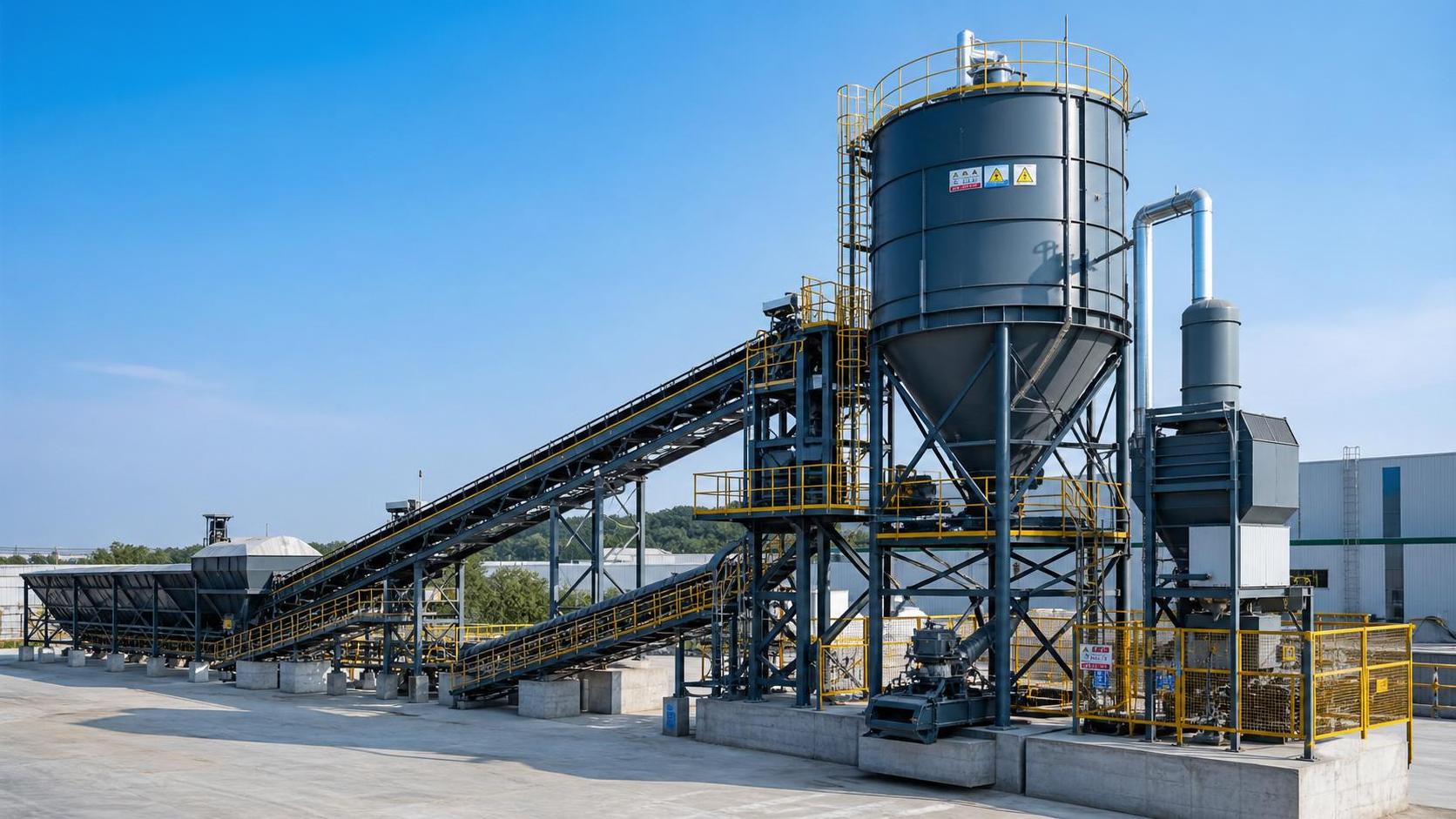
How to Evaluate Silo Engineering for New Plants: Load, Flow, and Safety Factors
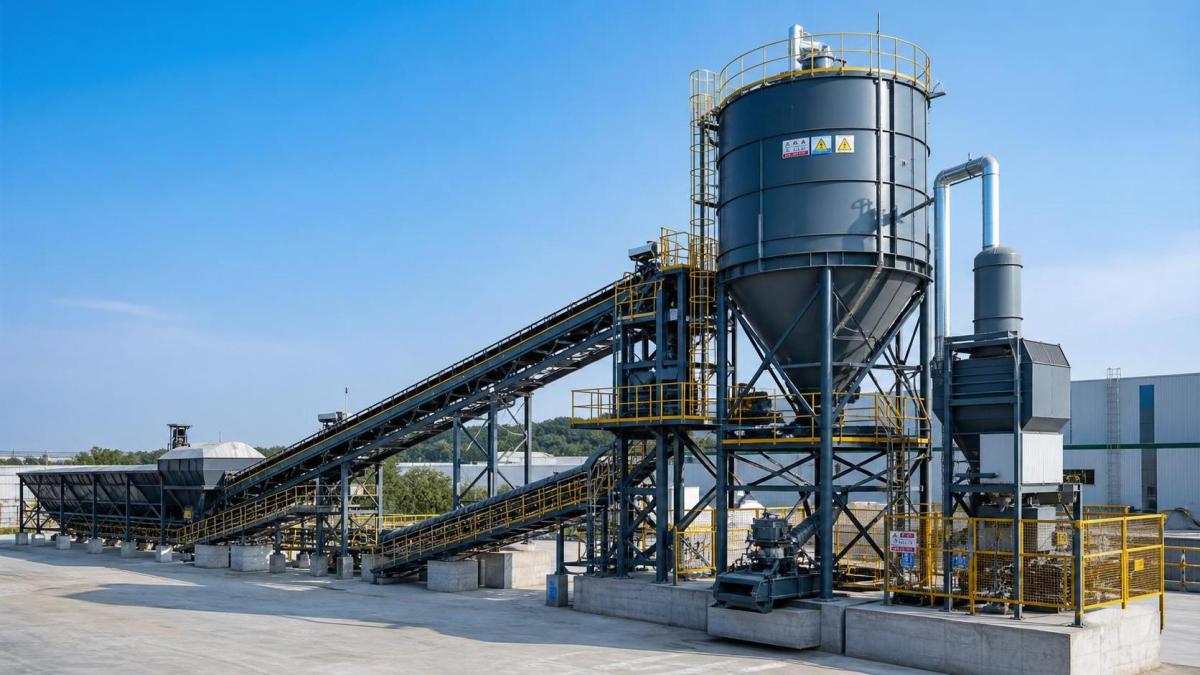
Selecting a silo is rarely about volume alone. Good silo engineering starts with understanding how the vessel will behave under real operating stress.
That includes structural loads, material flow patterns, discharge equipment, and safety systems. Each factor affects uptime, maintenance, and compliance.
In new plants, early evaluation matters even more. Once layout, foundations, and process routing are fixed, design changes become expensive.
A solid silo engineering review helps compare proposals on technical merit, not just price or storage capacity.
The most reliable approach is to assess three core areas together: load, flow, and safety. Looking at only one creates blind spots.
Start with the Design Basis
Before checking drawings, define the operating case. Silo engineering decisions depend on what the plant stores, how often it cycles, and how it discharges.
Begin with material properties. Bulk density, particle size, moisture, compressibility, and cohesion directly influence pressure and flow behavior.
Then review process expectations. Daily throughput, fill rate, discharge rate, and batch frequency shape the duty profile of the whole storage system.
It also helps to define upset conditions early. Partial filling, emergency shutdowns, material bridging, and irregular reclaim can create critical design loads.
- Identify stored material variants, not only the nominal product.
- Confirm expected storage duration and turnover rate.
- Document environmental conditions such as wind, temperature, and seismic exposure.
- Clarify whether expansion or future debottlenecking is planned.
This front-end work keeps silo engineering grounded in plant reality. Without it, evaluations often miss the actual operating envelope.
Evaluate Load Cases Beyond Static Capacity
Many reviews stop at stored tonnage. That is a weak filter, because silo engineering must address changing and uneven loads, not only full-bin weight.
Stored solids create vertical and horizontal pressures that vary with geometry, wall friction, and discharge pattern. Pressure is not always intuitive.
Eccentric discharge can be especially important. When material exits off-center, local wall loads may rise sharply and create structural stress concentrations.
Filling also matters. Impact loads from pneumatic conveying, drop height, and localized inlet wear can influence shell thickness and reinforcement needs.
In practice, evaluators should ask suppliers to show the governing load combinations, not just a general statement of compliance.
Key structural load checks
- Full, empty, and partially filled states.
- Filling and discharge pressures.
- Asymmetric loads from non-uniform flow.
- Wind, seismic, thermal, and equipment loads.
- Loads transferred to skirt, legs, anchors, and foundations.
Codes and standards should be clearly referenced. Depending on region and application, that may include Eurocode, ASCE, ACI, OSHA, or local structural rules.
A strong silo engineering proposal explains assumptions, safety factors, and load paths in a way that can be audited later.
Check Material Flow Behavior Early
Flow is where many silo systems succeed or fail. Even a structurally sound vessel can underperform if bulk solids do not move as expected.
This is why silo engineering must include flow testing or at least validated material data. Generic assumptions often cause expensive startup problems.
Common issues include bridging, rat-holing, segregation, flushing, and caking. Each one affects feed consistency and downstream process stability.
Hopper angle, outlet size, liner selection, and feeder type all influence whether the system achieves mass flow or funnel flow.
Questions that improve flow evaluation
- Was the design based on actual shear test data?
- What moisture range and temperature range were considered?
- Will the material degrade, compact, or segregate during storage?
- Does the feeder draw material uniformly across the outlet?
- Can the system handle low-throughput and restart conditions?
These questions are practical, not theoretical. They reveal whether the silo engineering package is matched to production reality.
More importantly, they expose hidden operating costs. Poor flow often leads to manual intervention, inconsistent batching, and unplanned cleaning shutdowns.
Review Safety as a System, Not a Checklist
Safety should never be reduced to access ladders and guardrails. In silo engineering, safe performance depends on structural integrity, process control, and hazard mitigation working together.
Dust explosion risk is a major concern for many powders. If the material is combustible, the design must address venting, isolation, and ignition control.
Overpressure and vacuum protection are also essential. Improper vent sizing during pneumatic filling can damage the silo even before routine operation begins.
Confined space risks matter as well. Designs that reduce manual entry for cleaning or blockage removal usually provide safer long-term operation.
Core safety points to verify
- Explosion protection strategy for combustible dusts.
- Pressure and vacuum relief sizing.
- Level monitoring, blockage detection, and alarm logic.
- Safe maintenance access and fall protection.
- Lockout, isolation, and emergency response provisions.
Good silo engineering also considers human behavior. If operators must bypass safeguards to keep production moving, the design is not truly safe.
Compare Suppliers on Technical Evidence
Supplier comparisons often become confusing because proposals use different assumptions. A better method is to evaluate each silo engineering offer against the same technical matrix.
Ask each bidder to state material data inputs, design codes, load cases, flow criteria, equipment scope, and safety provisions in a consistent format.
This makes trade-offs visible. One supplier may offer lower steel weight, while another provides stronger flow assurance and lower operational risk.
This kind of structure keeps silo engineering evaluation objective. It also supports better internal reviews with process, civil, and EHS teams.
Look at Interfaces, Not Just the Silo Shell
A silo rarely fails in isolation. Problems often appear at interfaces such as inlets, feeders, filters, supports, or downstream conveying equipment.
That is why silo engineering should be reviewed as part of the full material handling chain. The vessel, discharge device, and controls must act as one system.
Pay close attention to inlet arrangement. Poor inlet design can drive segregation, increase wear, and create uneven filling patterns.
Control logic also deserves scrutiny. Reliable level indication, interlocks, and startup sequencing can prevent both spills and mechanical overloads.
- Check compatibility with conveyors, feeders, and dust collectors.
- Review foundation reactions and installation tolerances.
- Confirm utility needs for aeration, vibration, or instrumentation.
- Assess how shutdown, cleaning, and restart will be managed.
When these details are ignored, even well-designed silo engineering can perform below expectations during commissioning.
Use a Practical Decision Framework
The best evaluations use a repeatable framework. That keeps decisions consistent across suppliers, plant locations, and future expansion phases.
- Define the material and process basis in measurable terms.
- Verify structural load assumptions and governing code references.
- Confirm flow design with test data and feeder integration.
- Review safety provisions for normal and upset conditions.
- Score maintainability and lifecycle cost, not only capital cost.
- Document residual risks before final selection.
This approach makes silo engineering easier to defend internally. It also reduces the chance of discovering design gaps after procurement.
In the end, the strongest silo engineering choice is the one that balances structural reliability, predictable flow, and practical safety over the full plant life cycle.
If a proposal cannot clearly explain those three areas, it usually needs deeper review before moving forward.
Related Posts
- ▶ How a Dry Bulk Silo Handles Pneumatic Filling and Gravity Discharge
- ▶ What Is a Dry Bulk Silo, and When Does a Factory Need One?
- ▶ Can dry bulk storage silos be integrated into existing PLC-controlled batching systems?
- ▶ Do dry bulk silos designed for API 650 compliance meet ASME Section VIII requirements?
- ▶ Is almacénamiento de sólidos a granel en silos de acero inoxidable viable for small-scale agrochemical distributors?
- ▶ How do vibration-based level sensors perform in stainless steel silos with powder coating?
Online Message