





Steel Silo vs Concrete Storage: Which Option Fits Bulk Material Projects Better?
Steel Silo vs Concrete Storage: Which Option Fits Bulk Material Projects Better?
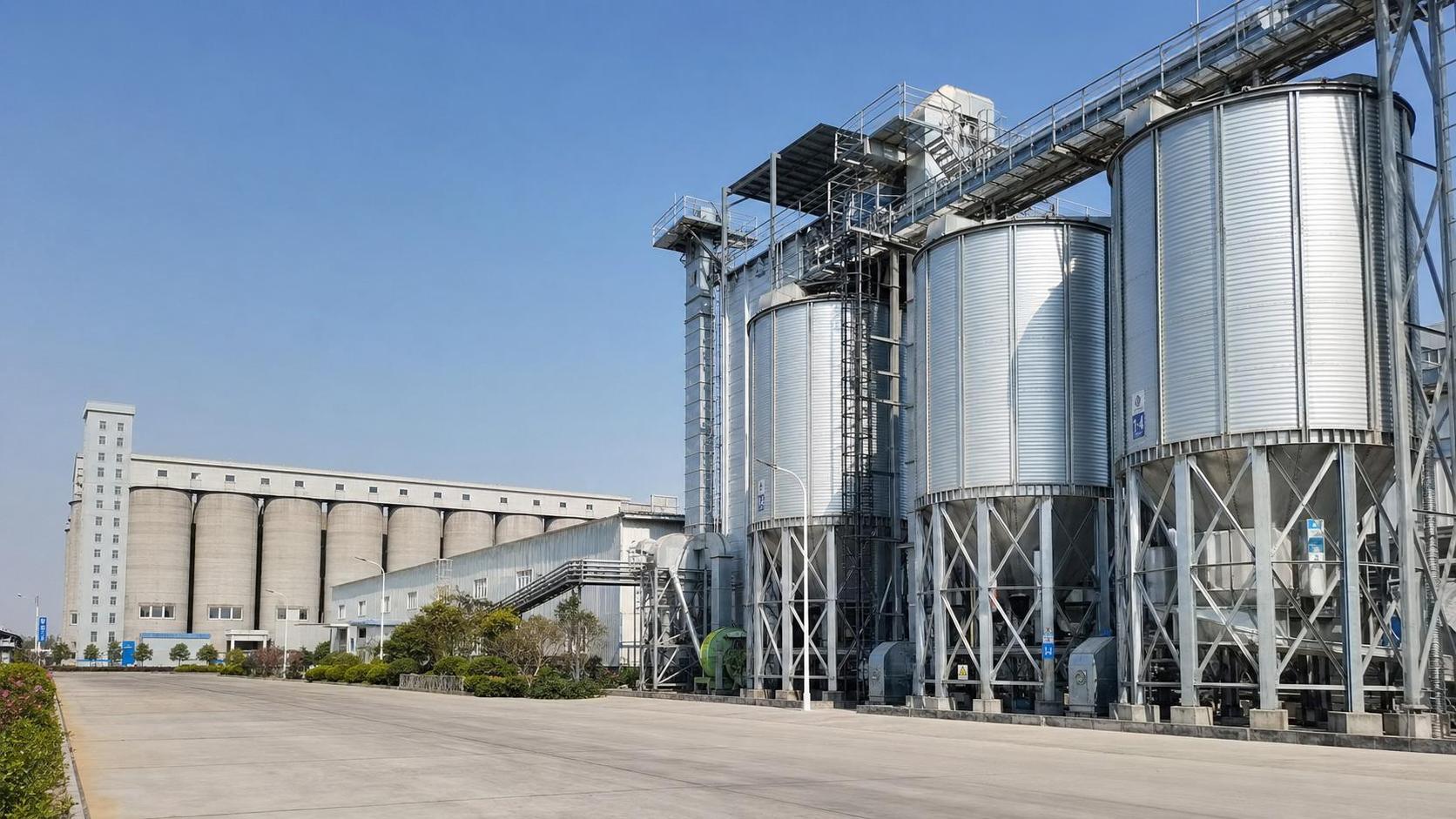
When planning bulk material storage, the choice often comes down to a steel silo or concrete storage.
That decision shapes capital cost, delivery speed, maintenance workload, and operating flexibility for years.
In real projects, there is no universal winner.
The better option depends on storage volume, material behavior, climate exposure, land limits, and future expansion plans.
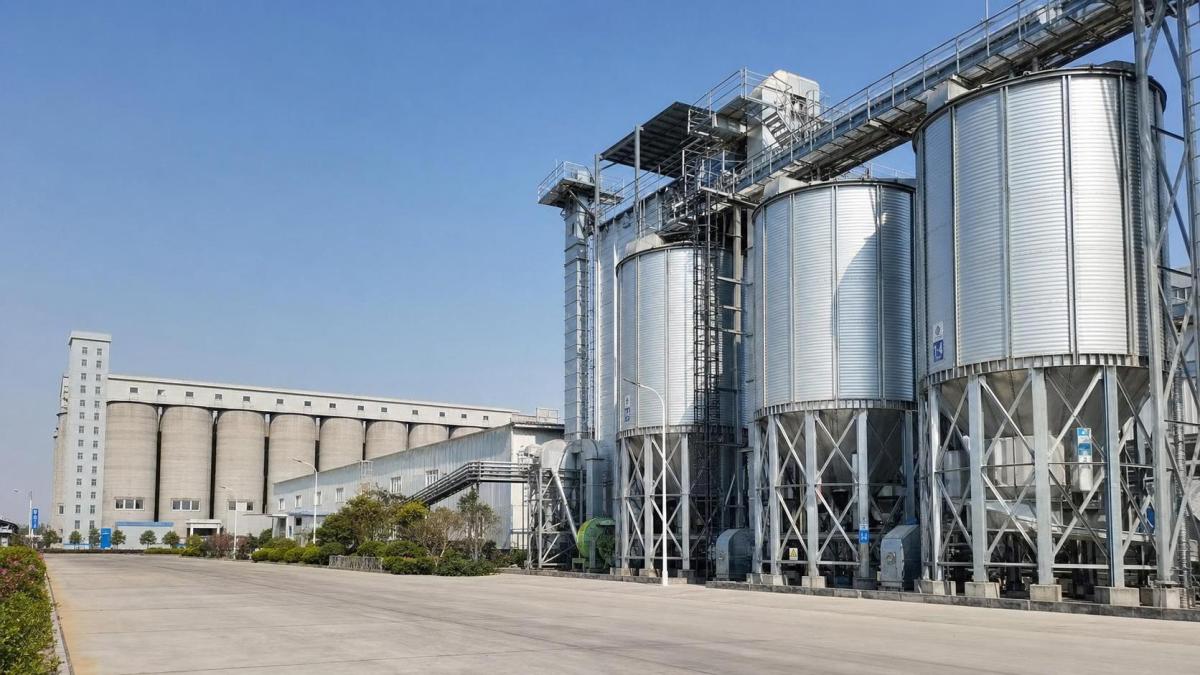
A steel silo usually stands out for fast installation, modular design, and easier capacity upgrades.
Concrete storage often appeals in massive, permanent facilities where very high capacity and structural mass matter more.
This comparison breaks down the practical trade-offs, so you can match storage type to business goals, not just initial price.
Start with Project Priorities, Not Material Alone
Material type matters, but it should not be the only filter.
A strong storage decision also considers schedule pressure, lifecycle cost, automation needs, and site complexity.
For example, cement, grain, fly ash, minerals, biomass, and feed each create different handling demands.
Still, two projects storing the same material may require different answers.
One may need a fast-start modular steel silo.
Another may justify concrete storage because the facility is permanent and capacity is extremely large.
That is why the best evaluation starts with operational priorities first.
Questions worth clarifying early
- How quickly must the storage system be delivered and commissioned?
- Will capacity need to increase within three to five years?
- Does the stored material require strict moisture or contamination control?
- Is the project site space-constrained or difficult for heavy civil work?
- How important are automation, discharge efficiency, and maintenance access?
These questions often make the steel silo decision clearer before detailed engineering even begins.
Construction Speed and Site Disruption
From a delivery standpoint, a steel silo usually has the advantage.
Most systems are prefabricated, transported in sections, and assembled faster than concrete storage structures.
That shortens onsite labor time and reduces weather-related construction delays.
This matters when a production line cannot wait for long civil schedules.
Concrete storage normally involves more extensive foundation work, formwork, curing time, and coordination between trades.
In remote areas or rainy climates, that timeline can stretch further.
So if time-to-operation is tied to revenue, a steel silo can create real financial value beyond purchase price.
Where steel gains an edge
- Faster fabrication and field assembly
- Less dependence on long curing schedules
- Easier coordination with conveyors, elevators, and sensors
- Lower onsite disruption in operating plants
If schedule certainty is a top KPI, steel storage often becomes the safer choice.
Cost Comparison: Initial Budget vs Lifecycle Value
Cost is where many evaluations become too narrow.
A lower upfront number does not always mean lower total ownership cost.
A steel silo may reduce project cost through quicker installation, lower labor demand, and easier integration with handling equipment.
It may also limit downtime during future modifications.
Concrete storage can be competitive in very large, long-horizon facilities, especially when local civil construction resources are strong.
However, maintenance access, repair complexity, and expansion cost should be included in the model.
In short, compare cost over ten to twenty years, not just at contract signing.
Performance, Protection, and Material Flow
Storage performance is not only about holding volume.
It also includes flow reliability, contamination control, moisture management, and clean discharge behavior.
A well-designed steel silo supports controlled loading and unloading with integrated aeration, level monitoring, and flow-assist systems.
That can be important for powders, pellets, feed, and temperature-sensitive bulk materials.
Concrete storage can offer thermal mass advantages in some cases.
Yet internal surface conditions, geometry, and discharge design still determine whether bridging or buildup becomes a recurring problem.
This is where detailed engineering matters more than broad material labels.
Watch these performance risks
- Poor flow design causing arching or rat-holing
- Moisture entry reducing product quality
- Difficult cleaning between material changes
- Limited sensor integration for inventory control
For operations needing traceability and predictable discharge, a steel silo often aligns better with automation-heavy workflows.
Maintenance, Durability, and Expansion Potential
Long-term ownership changes the picture again.
A steel silo needs corrosion protection, inspection routines, and proper coating choices for the stored material and environment.
But it also tends to be easier to inspect, repair in sections, and upgrade with accessories.
Concrete storage can be very durable, yet repairs may be more disruptive once cracking, wear, or embedded component issues appear.
Expansion is another major dividing line.
If growth is likely, adding another steel silo is often simpler than modifying a fixed concrete structure.
That flexibility reduces the risk of overbuilding too early or undersizing the first phase.
When concrete still makes sense
- The project is permanent and extremely large
- The site supports extensive civil construction
- Expansion is unlikely after phase one
- Structural mass is part of the design strategy
Even then, the comparison should include maintenance access and equipment integration from day one.
How to Decide Which Storage Option Fits Better
A practical decision framework keeps the process grounded.
Start with business outcomes, then test each storage type against those outcomes.
- Define required capacity, turnover rate, and material characteristics.
- Map site limits, foundation conditions, and local construction realities.
- Compare steel silo and concrete storage on delivery schedule.
- Model total cost, including downtime, repair, and expansion.
- Review automation, safety, and discharge performance requirements.
- Stress-test the decision against a future growth scenario.
In many modern bulk handling projects, a steel silo wins because it balances speed, control, flexibility, and lifecycle value.
Concrete storage remains relevant, especially in large fixed installations with stable long-term demand.
The smartest choice is the one that supports reliable operations today without blocking tomorrow’s expansion.
If the project needs fast deployment, easier scaling, and tighter process control, a steel silo is often the better fit.
Use that lens, and the storage decision becomes clearer, more commercial, and far less risky.
Related Posts
- ▶ How a Dry Bulk Silo Handles Pneumatic Filling and Gravity Discharge
- ▶ What Is a Dry Bulk Silo, and When Does a Factory Need One?
- ▶ Can dry bulk storage silos be integrated into existing PLC-controlled batching systems?
- ▶ Do dry bulk silos designed for API 650 compliance meet ASME Section VIII requirements?
- ▶ Is almacénamiento de sólidos a granel en silos de acero inoxidable viable for small-scale agrochemical distributors?
- ▶ How do vibration-based level sensors perform in stainless steel silos with powder coating?
Online Message