





What Is a Cement Silo Used For? Key Types, Capacities, and Site Selection Basics
Why is a cement silo such an important part of material storage?
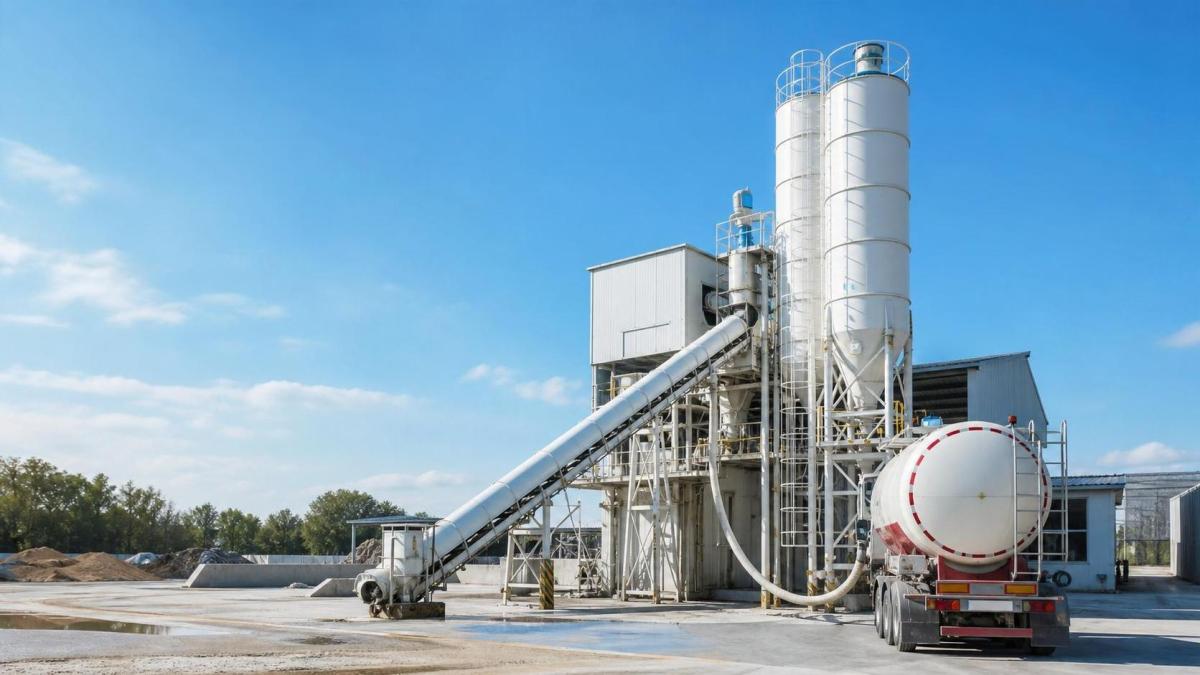
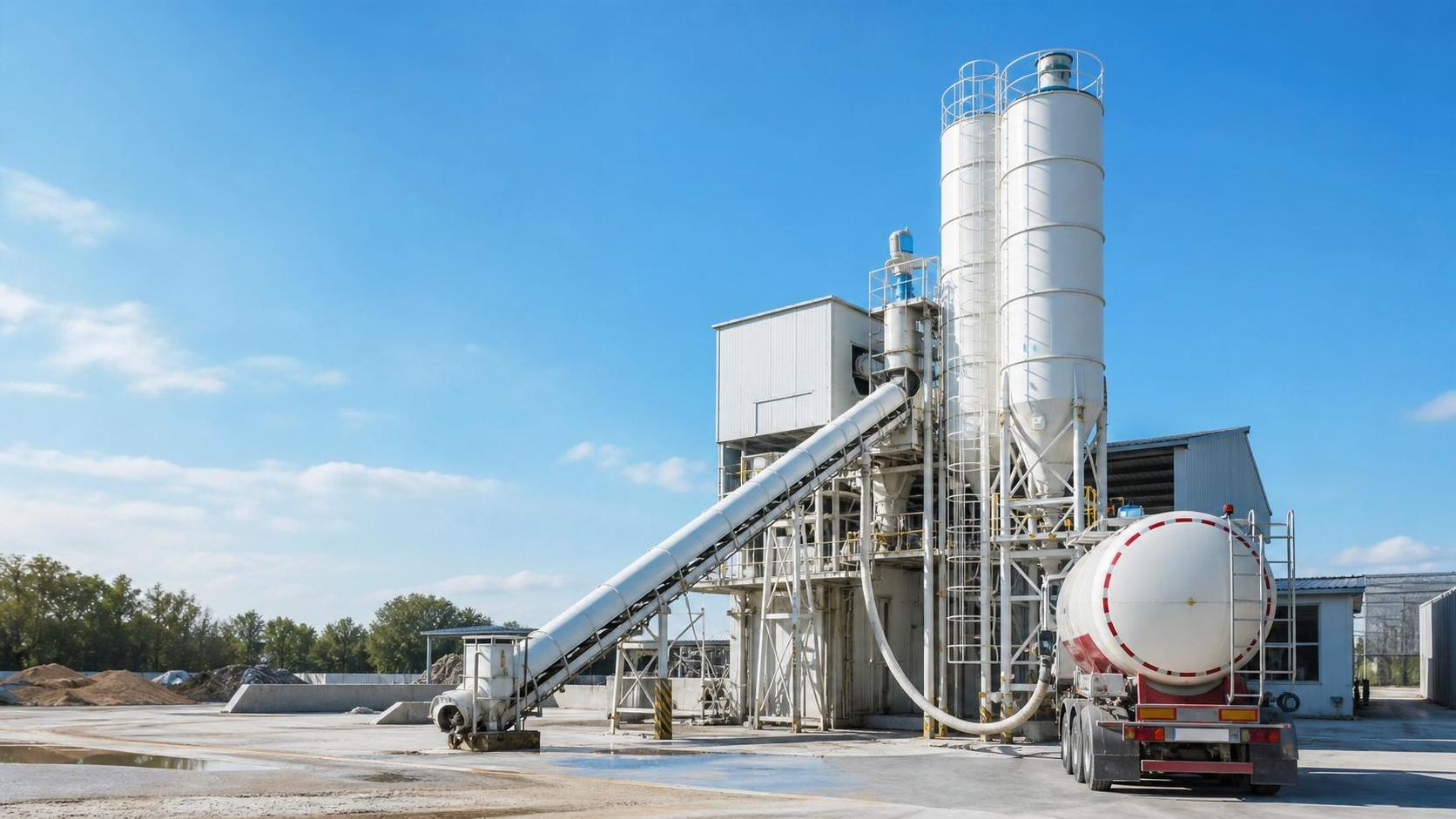
A cement silo is more than a large tank for powder. It is a controlled storage point that keeps bulk cement dry, sealed, and available when production or construction work needs it.
In practical terms, the main job of a cement silo is simple. It stores cement safely, protects quality, and supports a steady feed into batching, mixing, or conveying systems.
That matters because cement reacts quickly to moisture. Once it absorbs water from the air, flow problems, lumping, and strength loss can follow. A proper cement silo helps avoid those issues early.
It also improves site organization. Instead of handling many bags, bulk storage reduces manual movement, keeps dust easier to manage, and makes inventory planning more predictable.
For many projects, a cement silo becomes the link between delivery trucks and daily output. If that link is poorly planned, mixing schedules, labor efficiency, and material quality can all suffer.
What is a cement silo used for in real working environments?
The most common use is storing bulk cement for concrete batching plants. Here, the cement silo feeds measured material into mixers at a stable rate and helps keep mix consistency under control.
On construction sites, a cement silo is often used when projects need continuous supply over days or months. Large foundations, precast work, road projects, and commercial buildings are typical examples.
Industrial applications also rely on this equipment. Dry mortar production, block making, and other powder handling lines use a cement silo to improve material flow and reduce repeated handling.
A useful way to think about it is this: the silo is not only for storage volume. It supports process stability, delivery timing, and cleaner site control at the same time.
- Stores bulk cement before mixing or transfer
- Reduces exposure to humidity and contamination
- Helps maintain a steady material supply
- Supports dust collection and safer handling
- Makes stock monitoring easier than bag storage
In smaller temporary projects, the value may be flexibility. In larger fixed plants, the value is usually consistency and throughput. The use case changes, but the core function stays the same.
Which cement silo types are most common, and how are they different?
The first distinction is usually between vertical silos and horizontal silos. Vertical models are more common where footprint is limited and higher storage capacity is needed in one position.
Horizontal units are chosen when faster installation and simpler relocation matter more. They are often used on temporary sites or where height restrictions make tall structures less practical.
Another useful distinction is welded versus bolted design. Welded silos may arrive as larger assembled units, while bolted silos can be transported in sections and installed on site.
That transport difference becomes important for remote sites, export projects, or locations with road access limits. The best type is often the one that fits the delivery route as much as the process need.
Beyond structure, details like level indicators, pressure relief valves, dust filters, screw conveyors, and aeration systems also affect performance. These are not minor extras. They shape daily usability.
How much capacity does a cement silo need?
This is one of the most searched questions, and the right answer depends less on size alone than on supply rhythm. A cement silo should match both daily consumption and delivery frequency.
Small projects may use units around 30 to 50 tons. Medium operations often move into the 60 to 100 ton range. Larger batching plants can require 150 tons, 200 tons, or more.
Still, a bigger cement silo is not automatically better. Oversizing can increase structural cost, foundation demands, and idle inventory. Undersizing creates refill pressure and possible production delays.
A more practical sizing method is to ask a few grounded questions first.
- How many tons of cement are used per day or per shift?
- How reliable is bulk delivery to the site?
- Will one cement type be stored, or several?
- Is the project temporary, seasonal, or continuous?
- How much safety stock is needed for weather or transport delays?
In many cases, the better choice is two moderate silos instead of one very large silo. That setup can separate material grades, reduce downtime risk, and improve refill scheduling.
What should be checked before choosing a cement silo location?
Site selection affects safety, maintenance, and operating cost more than many people expect. A cement silo may look passive, but poor placement creates daily inefficiencies very quickly.
Ground condition comes first. The foundation must handle the full load of the silo, stored cement, wind pressure, and operational vibration. Soft or uneven ground can become a serious risk.
Truck access is another basic point. Delivery vehicles need enough room to approach, discharge, and exit without disrupting the rest of the site flow.
Then there is equipment layout. The cement silo should align sensibly with mixers, screw conveyors, pneumatic transfer lines, and maintenance access areas. Extra distance usually means extra cost or complexity.
Height restrictions also deserve attention. Power lines, roof structures, and local permitting conditions can limit where a vertical cement silo can be installed.
It is also wise to check future expansion. A location that works for today’s cement silo may become restrictive if an extra silo, additive tank, or conveyor line is added later.
What problems come up most often, and how can they be avoided?
Most cement silo problems are not dramatic failures. They are gradual operating issues that reduce efficiency, accuracy, or material quality over time.
Moisture entry is one of the biggest concerns. Poor sealing, damaged filters, or careless loading procedures can lead to clumping inside the silo and unstable discharge behavior.
Another frequent issue is bridging or poor flow at the outlet. This can be related to material condition, hopper design, aeration performance, or irregular maintenance.
Overfilling is also more common than many expect. Without dependable level monitoring and pressure protection, a cement silo can create dust release, filter stress, or safety problems during pneumatic filling.
- Inspect seals, filters, and valves on a planned schedule
- Confirm outlet flow equipment matches the cement type
- Use level indicators that are easy to read and maintain
- Keep refill procedures consistent across operators
- Review dust control and pressure relief protection regularly
In everyday operation, the best prevention is not complicated. Good installation, sensible sizing, and routine inspection solve many cement silo issues before they interrupt production.
So, how do you make a confident cement silo decision?
A useful decision starts with the real job the silo must support. That means looking at material usage, project duration, delivery pattern, site limits, and required process stability together.
If the aim is long-term output, a vertical cement silo with stronger integration may make more sense. If the site changes often, easier transport and setup may deserve higher priority.
Capacity should be checked against working rhythm, not guesswork. Type should be matched to layout, not only price. Site selection should be treated as an operating decision, not just a placement task.
For a practical next step, map daily cement demand, note delivery intervals, review available footprint, and list any height or access constraints. That simple checklist makes comparison much clearer.
Once those basics are clear, it becomes much easier to compare cement silo options with fewer surprises in cost, maintenance, and site performance.
Related Posts
- ▶ How a Dry Bulk Silo Handles Pneumatic Filling and Gravity Discharge
- ▶ What Is a Dry Bulk Silo, and When Does a Factory Need One?
- ▶ Can dry bulk storage silos be integrated into existing PLC-controlled batching systems?
- ▶ Do dry bulk silos designed for API 650 compliance meet ASME Section VIII requirements?
- ▶ Is almacénamiento de sólidos a granel en silos de acero inoxidable viable for small-scale agrochemical distributors?
- ▶ How do vibration-based level sensors perform in stainless steel silos with powder coating?
Online Message