





Silo Engineering for Expansion Projects: Retrofit or Rebuild?
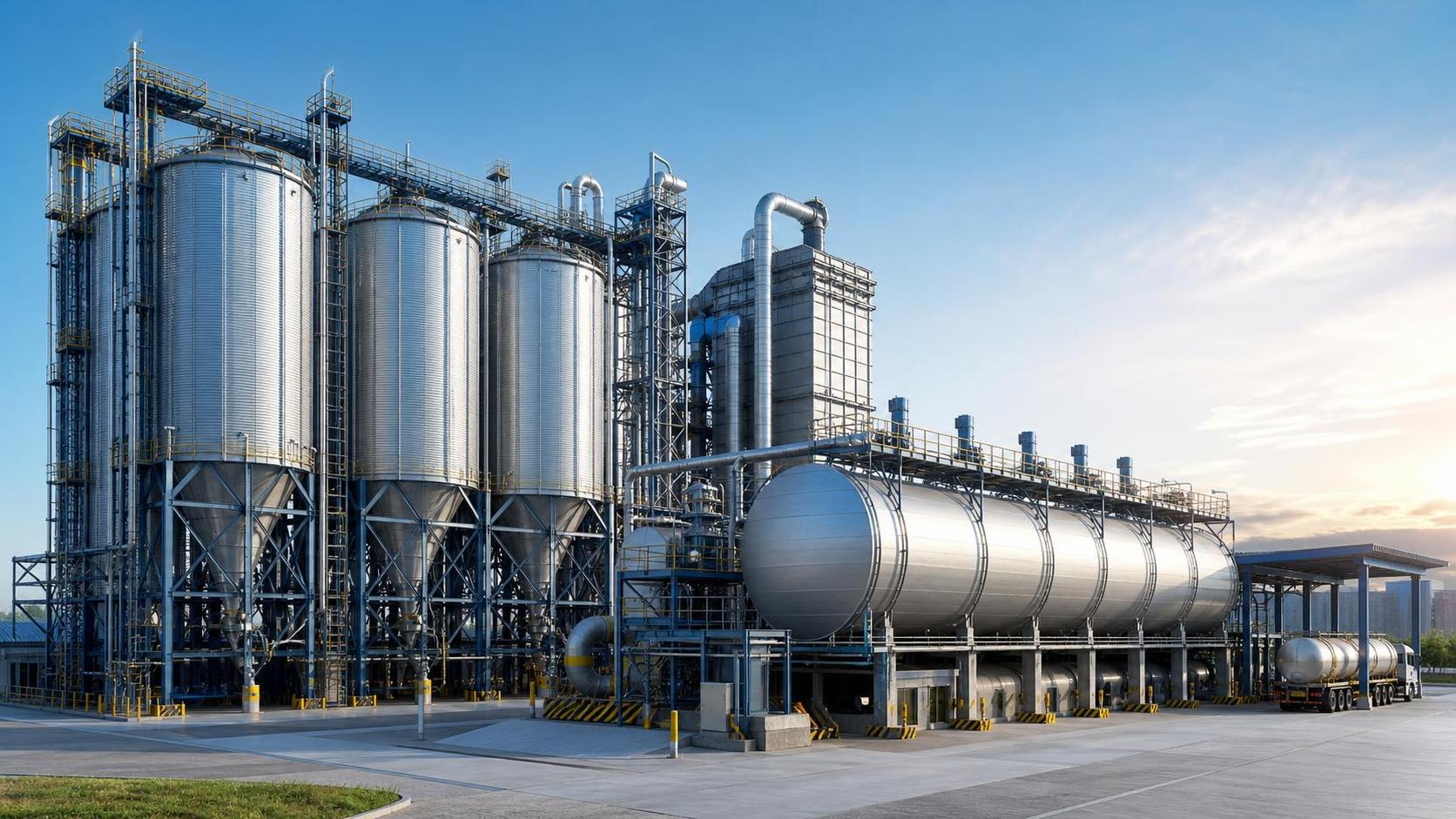
Silo Engineering for Expansion Projects: Retrofit or Rebuild?
When capacity needs grow, one decision quickly moves to the center: adapt the existing silo system or replace it with a new one.
In silo engineering, that choice shapes capital cost, shutdown duration, operating risk, and future flexibility.
A retrofit can look attractive because it uses installed assets. A rebuild can look expensive, yet it may remove hidden constraints that drain performance for years.
The practical answer depends on structure, process targets, compliance pressure, and how fast the site may need to scale again.
For expansion planning, good silo engineering starts with facts, not assumptions. That means evaluating the condition of the asset, the material behavior, and the business case together.
Why the Decision Is Bigger Than Capacity Alone
Many expansion projects begin with a simple target: add storage volume. In reality, storage is only one part of the system.
A silo may also affect flow stability, batching accuracy, unloading speed, dust control, maintenance access, and site logistics.
That is why silo engineering decisions should connect mechanical performance with commercial outcomes.
- Will the upgraded system support the required throughput?
- Can the current structure handle new loads safely?
- Will new regulations trigger broader changes?
- Does the site need room for future phases?
From a project perspective, the wrong path often creates secondary costs. These usually appear later as downtime, rework, poor flow, or operational bottlenecks.
When Retrofit Makes Sense in Silo Engineering
A retrofit is often the better route when the base structure remains sound and the process change is moderate.
In these cases, silo engineering teams can improve performance without replacing the full installation.
Typical retrofit scope may include cone modifications, discharge upgrades, aeration systems, sensors, dust collection links, and reinforcement of local structural zones.
Retrofit usually works well under the following conditions:
- The shell, roof, and foundation show limited deterioration.
- The stored material remains similar in density and flow behavior.
- Capacity growth is meaningful but not extreme.
- Plant shutdown windows are short and difficult to extend.
- Site space or permitting conditions restrict new construction.
The main advantage is lower initial spending. A retrofit can also reduce civil work, speed up installation, and keep familiar process interfaces in place.
Still, retrofit has limits. Existing geometry may cap efficiency, and unknown wear conditions can expand the scope after work begins.
When Rebuild Is the Stronger Investment
A rebuild becomes more attractive when the old system no longer supports the business technically or economically.
This happens more often than expected in aging plants, especially when production goals changed several times over the years.
In silo engineering, rebuilding can solve multiple problems at once: load path issues, poor material flow, access constraints, and obsolete safety provisions.
Rebuild is usually the better decision when:
- Corrosion, fatigue, or settlement affects core structural integrity.
- The stored material has changed and requires different discharge design.
- Future expansion is likely within a few years.
- Compliance upgrades would force major redesign anyway.
- Frequent maintenance already creates measurable production loss.
A new build also gives more freedom in layout. That can improve truck loading, pneumatic conveying routes, utility access, and operator safety.
In some powder handling applications, alternative storage formats may support cleaner integration. One example is Horizontal Bulk Powder Storage Tanks for sites needing specific footprint or discharge arrangements.
The Five Checks That Should Drive the Choice
1. Structural Condition
Start with inspection data. Thickness loss, weld quality, buckling history, roof deformation, and foundation settlement should be documented before any scope decision.
If the asset needs widespread reinforcement, retrofit savings often disappear quickly.
2. Material Behavior
Silo engineering is heavily influenced by bulk material properties. Flow pattern, moisture sensitivity, caking tendency, and particle segregation can change the whole design basis.
If the material profile is shifting, a full redesign may be more reliable than adapting old geometry.
3. Throughput and Process Targets
Storage volume alone is not enough. Check filling rate, reclaim rate, blending demands, and downstream equipment limits.
A retrofit that increases volume but leaves discharge slow may create a new bottleneck.
4. Compliance and Safety
This point is often underestimated. Dust explosion protection, access platforms, venting, monitoring, and local codes can reshape the budget.
If regulations trigger broad system changes, rebuild may become the cleaner path.
5. Life-Cycle Economics
Capital cost matters, but it is not the whole story. Reliable silo engineering compares total ownership cost over the next ten to twenty years.
That includes downtime risk, maintenance labor, energy use, cleaning frequency, and lost output from unstable operation.
A Practical Retrofit vs Rebuild Comparison
This comparison is why silo engineering should be framed as a business decision, not just an equipment decision.
How to Reduce Risk Before You Commit
A strong decision process usually follows a short sequence. This keeps expansion planning grounded in evidence.
- Inspect the existing silo, foundation, and support systems.
- Confirm current and future material handling requirements.
- Model load, flow, throughput, and compliance impacts.
- Compare retrofit and rebuild on ten-year ownership cost.
- Check whether future phases are likely before final approval.
In practice, the best silo engineering partner will test assumptions early and show where short-term savings could create long-term penalties.
That matters across grain, building materials, power, and chemical applications, where operating conditions vary but expansion risk follows similar patterns.
Companies with broad project experience, including steel silo development, manufacturing, and site construction, are usually better placed to balance those trade-offs realistically.
Final Decision: Match the Asset to the Next Stage of Growth
There is no universal answer in silo engineering. Retrofit is often right when the structure is healthy and the expansion target is controlled.
Rebuild is often right when old constraints threaten safety, process stability, or future scale.
The most useful question is simple: which option will support the next stage of growth with fewer interruptions and stronger long-term returns?
If that review shows the existing system still has value, targeted upgrades can be efficient. If not, a new solution, including options such as Horizontal Bulk Powder Storage Tanks, may offer a better platform for expansion.
For expansion projects, disciplined silo engineering keeps the decision clear: choose the path that improves capacity, protects reliability, and leaves room for what comes next.
Related Posts
- ▶ How a Dry Bulk Silo Handles Pneumatic Filling and Gravity Discharge
- ▶ What Is a Dry Bulk Silo, and When Does a Factory Need One?
- ▶ Can dry bulk storage silos be integrated into existing PLC-controlled batching systems?
- ▶ Do dry bulk silos designed for API 650 compliance meet ASME Section VIII requirements?
- ▶ Is almacénamiento de sólidos a granel en silos de acero inoxidable viable for small-scale agrochemical distributors?
- ▶ How do vibration-based level sensors perform in stainless steel silos with powder coating?
Online Message