





Silo Engineering Standards: What to Review Before Final Design
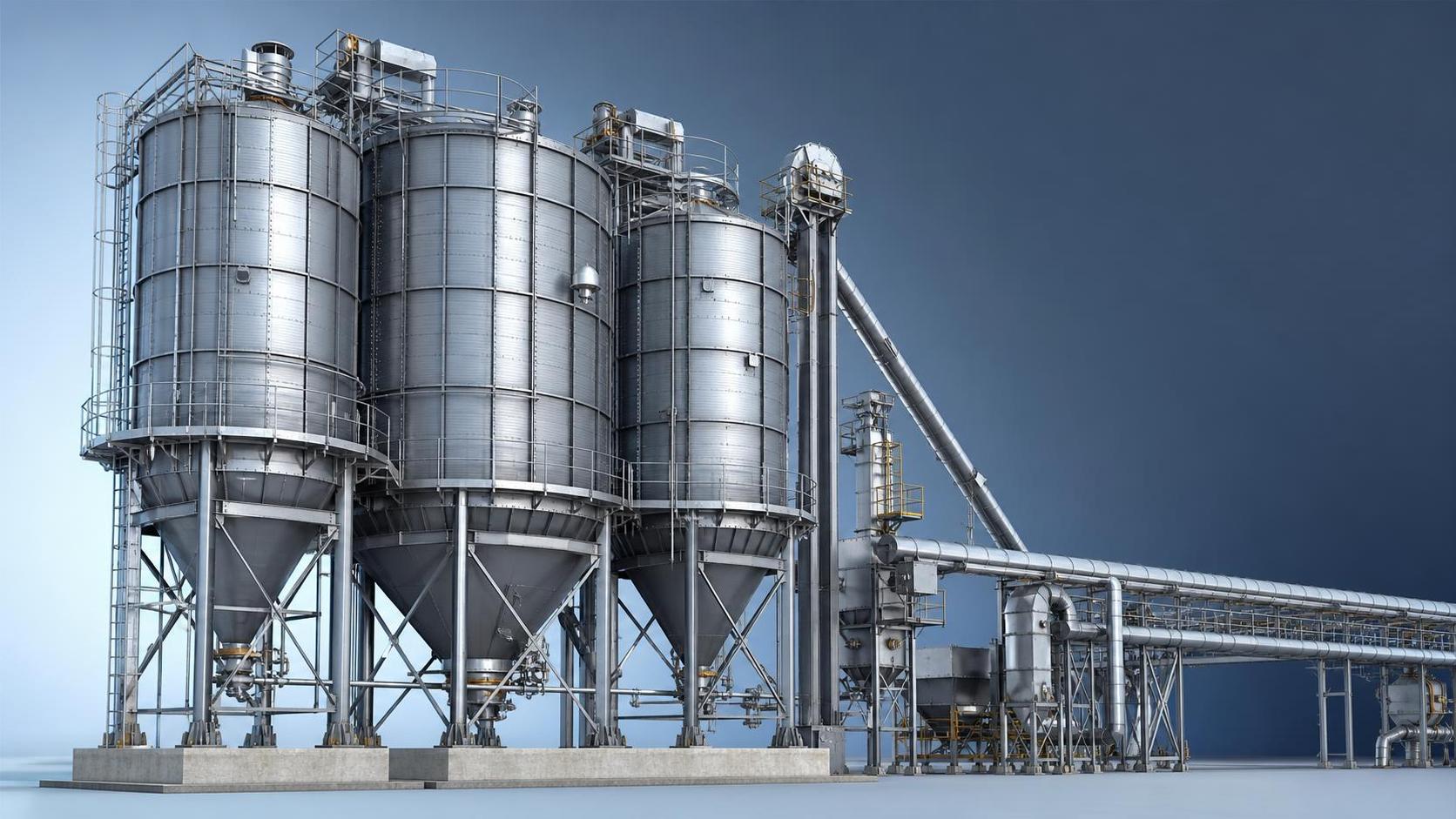
Why does silo engineering review matter before final design?
Before detailed drawings begin, silo engineering should be checked against real operating demands, not only nominal storage volume.
That early review often decides whether a steel silo will perform safely for decades or require costly correction after installation.
In practical terms, the review stage connects structure, material flow, corrosion exposure, discharge behavior, and maintenance access.
It also reduces design gaps between process expectations and site realities such as wind, seismic load, dust control, and temperature variation.
For projects serving grain, building materials, electric power, and chemical applications, that gap can become the main source of failure.
A structured silo engineering review helps confirm whether the final design can handle stored material properties, operating cycles, and inspection needs.
Companies with broad project exposure, including Shandong Guokai International Trade Co., Ltd., usually treat this step as a technical filter.
The reason is simple. A silo is rarely just a shell. It is part of a larger conveying, dosing, storage, and unloading system.
Which standards should be checked first in silo engineering?
The first question is not which code looks familiar. It is which standards govern the actual risk profile of the silo.
Most silo engineering reviews begin with four layers of compliance.
- Structural design standards for shell strength, roof design, foundations, wind load, and seismic resistance.
- Material standards for steel grade, coating, bolt performance, welding quality, and corrosion protection.
- Process and safety standards for dust explosion prevention, ventilation, pressure relief, and access systems.
- Industry-specific requirements linked to grain hygiene, cement handling, ash storage, or chemical compatibility.
A useful review does not stop at listing codes. It checks whether those codes interact properly in one design basis.
For example, a silo storing grain may prioritize sanitation, moisture control, and aeration performance.
A silo for fly ash or mineral powder may focus more on pressure fluctuation, abrasion, and discharge reliability.
This is where silo engineering becomes a coordination task rather than a paperwork exercise.
When a compact project uses modular options such as Small Feed Interlock Silos, the same logic still applies.
Smaller capacity does not remove the need for code alignment on loads, discharge, and environmental conditions.
A quick review table can clarify priorities
The table below is useful when screening a silo engineering package before final approval.
How should stored material properties influence the final check?
This is often the most underestimated part of silo engineering.
Many design issues begin when bulk density is treated as the only material parameter that matters.
In reality, the final review should look at flowability, moisture sensitivity, particle size, abrasiveness, and caking tendency.
A free-flowing feed material behaves very differently from cement powder or damp grain.
That difference affects wall pressure, hopper angle, feeder selection, and whether mass flow is realistic or unnecessary.
More careful reviews also check how the material changes over time.
Will it absorb moisture? Form bridges? Generate dust? Separate by particle size during filling? Increase corrosion risk?
Those questions are central to silo engineering because they reshape both structural and operational decisions.
For feed or grain systems, a compact format such as Small Feed Interlock Silos may be practical.
Still, the review should verify whether batch frequency, cleaning access, and flow consistency support the intended process.
What usually deserves a second look?
- Moisture range rather than a single moisture value.
- Discharge rate during peak operation, not average operation.
- Expected cleaning frequency and residue tolerance.
- Whether test data comes from a similar material or the exact material.
Where do final silo engineering reviews commonly miss structural risk?
The weak point is often not the main cylinder wall. It is the combination of local details and unusual load cases.
Openings, stiffener transitions, roof junctions, support legs, and discharge zones deserve careful calculation.
In actual projects, structural problems often arise from assumptions that seem minor during concept review.
Examples include uneven filling, temporary overfilling, material hang-up on one side, and changes in equipment loads.
Silo engineering should also verify construction tolerances and erection method.
A sound calculation can still become a poor installation if bolt sequencing, alignment, or foundation preparation are not controlled.
Another common blind spot is fatigue from repeated filling and discharge cycles.
This matters more in high-turnover systems than in long-term reserve storage.
When a supplier handles development, manufacturing, and project execution under one technical system, review coordination tends to improve.
That integrated approach is especially useful when the silo is part of a broader plant interface.
How do cost and project schedule affect standard selection?
Cost pressure often pushes teams to simplify specifications too early. That can distort the silo engineering decision process.
A lower initial steel weight does not automatically mean a better value outcome.
If the design increases blockage risk, coating maintenance, downtime, or retrofit work, the total project cost rises later.
Schedule works the same way. Fast delivery is helpful only if design review closes the right questions first.
The most practical approach is to separate non-negotiable requirements from adjustable features.
- Non-negotiable items usually include structural safety, corrosion control, discharge reliability, and access compliance.
- Adjustable items may include finish details, accessory configurations, or staged expansion provisions.
This distinction keeps silo engineering focused on long-term function instead of short-term visual or procurement convenience.
It also helps compare alternatives fairly when multiple silo concepts appear close in price.
What should be on the final review checklist before approval?
A final silo engineering review should leave little ambiguity about design basis, operating assumptions, and maintenance boundaries.
If a key assumption is still described vaguely, approval is usually premature.
- Confirm the design codes and revision versions actually used in calculations.
- Check stored material data, including upset conditions and seasonal variation.
- Review wall pressure assumptions for filling, discharge, and eccentric loading.
- Verify steel grade, coating system, bolt or weld specification, and inspection method.
- Ensure access platforms, vents, level devices, and explosion or pressure controls fit the operating environment.
- Match the silo foundation interface with civil drawings and anchor reactions.
- Check maintenance access for cleaning, replacement parts, and shutdown safety.
That checklist is not only about passing review. It is about preventing hidden incompatibilities from becoming operational problems.
Strong silo engineering usually looks quiet on paper because the major conflicts were resolved before fabrication begins.
What is the practical takeaway before moving into final design?
The best silo engineering review is specific, evidence-based, and tied to actual use conditions.
It should test whether the proposed silo matches the stored material, site loads, compliance obligations, and plant workflow.
It should also separate acceptable simplification from risky omission.
For steel storage projects across grain, building materials, electric power, and chemicals, that discipline usually determines long-term reliability.
A sensible next step is to organize the project into clear review points.
Start with material data, load assumptions, applicable standards, and maintenance access.
Then compare the selected scheme against operating risk, construction sequence, and lifecycle cost.
When those items are aligned, final design moves faster and with fewer technical surprises.
Related Posts
- ▶ How a Dry Bulk Silo Handles Pneumatic Filling and Gravity Discharge
- ▶ What Is a Dry Bulk Silo, and When Does a Factory Need One?
- ▶ Can dry bulk storage silos be integrated into existing PLC-controlled batching systems?
- ▶ Do dry bulk silos designed for API 650 compliance meet ASME Section VIII requirements?
- ▶ Is almacénamiento de sólidos a granel en silos de acero inoxidable viable for small-scale agrochemical distributors?
- ▶ How do vibration-based level sensors perform in stainless steel silos with powder coating?
Online Message