





Inspection Priorities for Industrial Silos Operating in Corrosive Environments
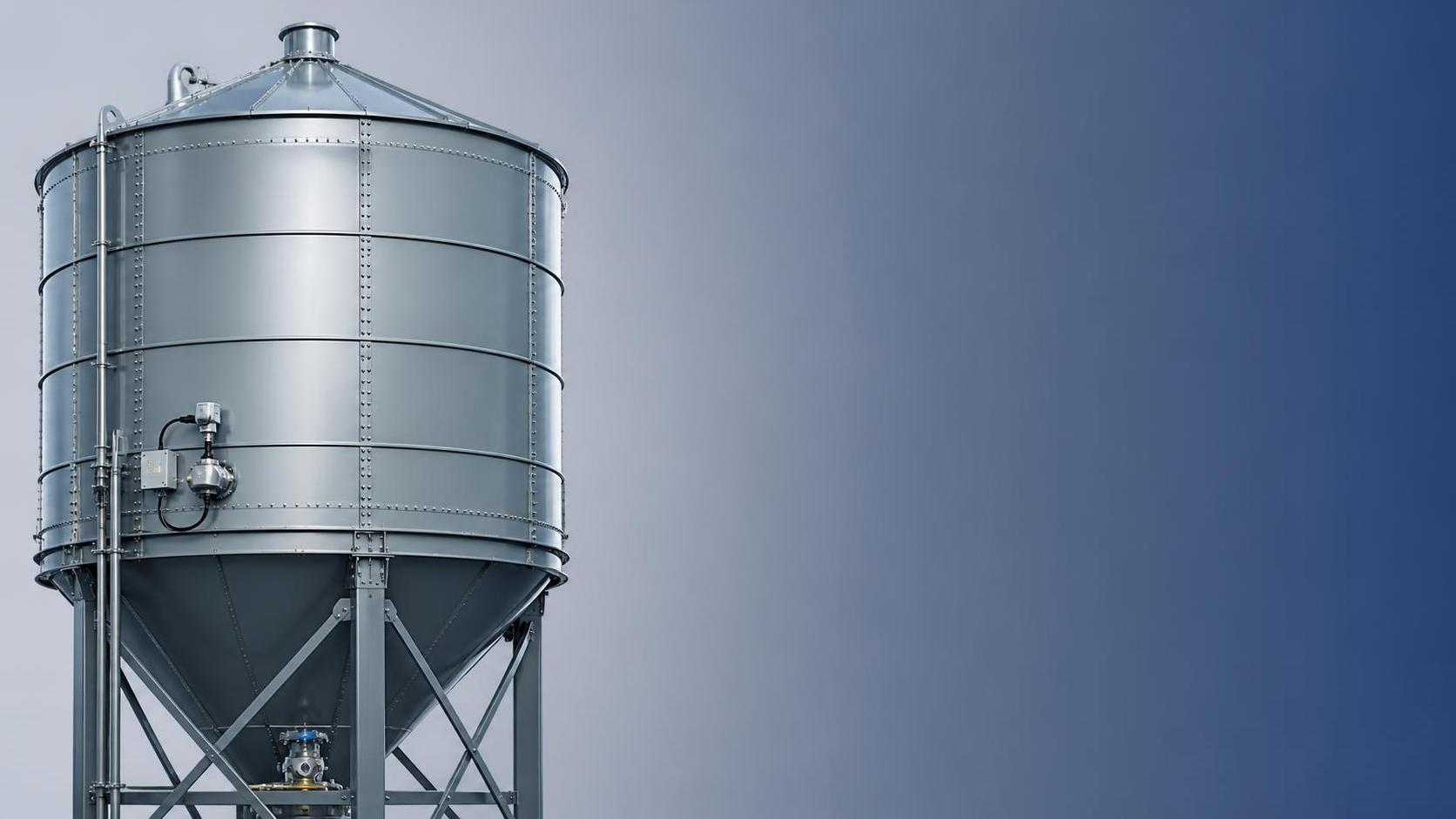
A silo can look sound from the access road and still be deteriorating where the damage is hardest to see. A roof vent may be drawing in humid, chemical-laden air. Condensation may be sitting beneath a roof seam. Dust and residues may be collecting behind a ladder bracket or around a discharge transition. By the time rust becomes obvious on the outside, the underlying issue may already involve coating loss, localized wall thinning, water ingress, or a compromised connection.
This is a familiar maintenance problem in facilities handling grain, cementitious materials, fly ash, fertilizers, salts, or chemical feedstocks. Corrosion does not usually progress evenly across the shell. It concentrates at wet-dry interfaces, crevices, damaged coatings, poorly drained areas, and places where material buildup traps moisture against steel. The practical challenge is not simply finding rust. It is deciding which signs require immediate action, which can be monitored, and which areas must be opened, cleaned, or assessed before the silo returns to normal service.
Start with the operating conditions, not the visible stain
Before climbing the structure or opening an inspection hatch, review what the silo has been exposed to since the last examination. A corrosion inspection becomes far more useful when it is tied to actual operating conditions. Ask whether the stored material changed, whether moisture content was unusual, whether washdown occurred nearby, whether the silo sat empty for an extended period, or whether a roof or conveying connection was repaired.
Internal corrosion is often accelerated by conditions that seem routine: warm material entering a cooler silo, humid air entering through a damaged vent, repeated filling and emptying cycles, or residual material remaining against the wall during shutdown. In chemical and power-related applications, airborne contaminants or acidic and alkaline residues may attack steel and coating systems differently from dry grain dust. A maintenance record should therefore identify the stored product, typical temperature conditions, known moisture events, cleaning methods, and any history of leakage.
Do not assume that a dry exterior means a dry interior. Condensation can form inside the roof space and run down wall sheets without producing a continuous external mark. Likewise, an external rust streak below a fastener may originate from a failed washer, a leaking roof joint, or moisture trapped behind an attachment rather than broad shell corrosion.
Prioritize the places where water, residue, and movement meet
For industrial silos in corrosive environments, inspection time should be concentrated where several risk factors overlap. A minor coating defect on an accessible, dry sidewall is not equivalent to the same defect at a seam that regularly collects wet residue. The following areas deserve a closer look during each planned inspection cycle.
Roof sheets, vents, and upper connections
The roof is often the first entry point for water and humid outside air. Examine roof panels for coating breakdown, loose fasteners, damaged sealant, deformation around openings, and standing debris that prevents drainage. Inspect vents for blockage, damaged screens, loose covers, and signs that moisture has been condensing around the vent throat. If a vent does not allow the silo to breathe as intended during filling and discharge, pressure and vacuum effects can also stress connections and draw moisture through weak points.
Pay special attention to roof-to-wall joints. These areas combine exposure to weather, fasteners, sealant, and structural movement. Brown staining below the joint should not be dismissed as cosmetic until the source is confirmed. Where safe access allows, inspect the interior side for damp insulation, residue tracks, coating blisters, or corrosion around bolt heads.
Wall seams, bolts, and external attachments
Bolted joints are common locations for crevice corrosion because moisture can remain between overlapping steel surfaces. Look for lifted coating edges, corrosion products emerging from joints, missing or loose fasteners, degraded washers, and streaks that follow the sheet profile. A bolt that appears intact from the outside may have corrosion around its bearing area or inside the joint.
Ladders, platforms, handrails, cable routes, level sensor brackets, and pipe supports deserve the same attention. These attachments can interrupt drainage and create pockets where dust and moisture accumulate. They can also transfer load into the shell. If corrosion appears around a support connection, determine whether it is only on the surface or whether the attachment has distorted, loosened, or damaged the surrounding sheet.
Lower cone, hopper, and discharge zone
The lower section is usually exposed to the greatest combination of abrasion, impact, material pressure, vibration, and residue buildup. Corrosive material trapped in a hopper can remain in contact with steel long after routine discharge appears complete. Inspect cone seams, transition pieces, flange faces, gate frames, vibrator mounting points, and the area around flow aids. Where material bridges or builds up repeatedly, crews may be tempted to strike the wall or use unsuitable tools; that can damage coatings and create new corrosion initiation points.
Check discharge gates and valves for smooth operation, corrosion around hinges or shafts, degraded seals, and product leakage. Leakage is not only a housekeeping issue. It can keep the outlet area wet, conceal corrosion, and expose personnel to falling or released material during maintenance.
A practical walkdown sequence before detailed access work
A useful inspection does not begin with random spot checks. Begin at ground level and work upward in a consistent route. This makes comparison with earlier observations easier and reduces the chance of missing recurring trouble spots.
- Observe the surroundings. Check drainage around the foundation, pooling water, chemical spills, vegetation holding moisture against the base, and damaged protective barriers. Corrosion near the base may be linked to site drainage rather than a silo defect alone.
- Review the shell from multiple angles. Look for discoloration, blistering, rust runs, dented sheets, bulging, misaligned seams, and unusual residue patterns. Use good lighting; a faint stain may reveal a leak path that is invisible in flat daylight.
- Inspect structural interfaces. Examine anchor regions, legs, stiffeners, base rings, hopper supports, and platform connections. Any sign of movement, cracking in surrounding concrete, loosened hardware, or distorted members should be escalated rather than treated as a coating repair.
- Move to roof-level components only under approved access conditions. Confirm safe access, fall protection arrangements, atmospheric considerations, isolation requirements, and weather conditions before work at height. From the roof, inspect vents, access covers, seams, lightning protection connections where fitted, and pipe penetrations.
- Plan internal examination separately. Internal entry should never be treated as an extension of an external walkdown. Product removal, isolation, lockout, confined-space controls, atmosphere testing, communication arrangements, and rescue provisions must be addressed under the facility’s procedures.
During the walkdown, record location rather than only condition. “Corrosion near the outlet” is too vague for future comparison. A useful entry identifies the component, elevation, side or clock position, nearby attachment, appearance, approximate extent, and whether the condition changed from the previous record. Photographs can support this record when site procedures permit, but the written observation should still explain what the image is intended to show.
Separate surface damage from conditions that may affect integrity
Not every rusted area means the shell has lost significant capacity, but not every small patch is harmless. The key is to judge the corrosion pattern and the component’s function.
Surface oxidation on an exposed handrail may call for cleaning and recoating if the steel remains sound. By contrast, pitting at a lower hopper seam, corrosion beneath a load-bearing bracket, or loss of material around a bolt group may require a more formal assessment. Localized corrosion can be more serious than broad, light surface rust because pits reduce section thickness at concentrated points and may be difficult to evaluate visually.
Watch for these warning signs: flaking steel rather than just paint failure; deep, isolated pits; soft or perforated areas; swelling at lap joints; fasteners that cannot be securely tightened; cracks near corroded zones; changes in shell geometry; or product escaping from an unexpected location. If any of these appear in a structural connection, a support member, the hopper, or the base region, restrict nonessential loading or operation as appropriate and seek engineering or qualified inspection support before attempting a repair.
Thickness measurement can help distinguish superficial attack from meaningful wall loss, but readings are only reliable when taken on a properly prepared surface and compared with the applicable design information. Measurements should cover the affected area and nearby apparently sound steel, not one convenient point. When corrosion is hidden under a liner, insulation, caked product, or layered coating, further cleaning or non-destructive examination may be needed to understand the condition.
Coating failure should be investigated, not merely painted over
A quick repaint may improve appearance while leaving the original cause untouched. Before selecting a repair coating, identify why the existing system failed. Common causes include inadequate surface preparation during an earlier repair, incompatible coating materials, condensation during application, mechanical abrasion, chemical exposure beyond the coating’s intended service, trapped moisture at seams, or poor drainage around attachments.
Clean the affected area to the level required by the repair method and remove loose corrosion products, failed coating, residue, and salts where present. The repair boundary should extend beyond visibly damaged paint until sound, well-adhered coating is reached. Feathering a repair into weak surrounding coating often leads to early edge failure.
For internal surfaces, coating selection must consider the actual stored material, its moisture behavior, abrasion, temperature, and cleaning process. A coating that performs adequately on an external shell may not be suitable inside a hopper where abrasive product slides continuously. If the condition is related to persistent moisture or condensation, improving the coating alone may not solve the problem. Vent function, insulation condition, sealing details, and operating practices may need adjustment at the same time.
Do not overlook equipment that changes the corrosion pattern
Many silo problems begin after an accessory is added, moved, or repaired. A new pipe penetration, sensor mount, dust collection connection, heat tracing support, or access platform can alter water paths and create new crevices. When a modification is inspected, look beyond the added component. Check the surrounding shell for damaged coating, incomplete sealing, unsupported loads, and points where dissimilar materials may remain wet together.
For larger storage applications, access planning is particularly important. Equipment such as 800-1500 Tons Silos should be inspected with attention to roof access, discharge arrangements, structural interfaces, and the ability to safely examine areas that are not visible from routine operating positions. The size of the silo does not change the basic corrosion mechanisms, but it can make early access and accurate documentation more important because repairs may involve more coordination.
When a finding needs more than routine maintenance
Some conditions should not be assigned to a normal cleaning-and-coating work order without review. These include deformation near corroded members, cracking at welded or bolted attachments, widespread blistering that suggests moisture beneath a coating system, repeated roof leakage after sealing attempts, substantial product buildup hiding the lower shell, and any evidence that a support, anchor, or hopper connection is losing integrity.
Escalation is also appropriate when corrosion keeps returning in the same place. Recurrent damage usually indicates an unresolved mechanism: an unsealed penetration, ineffective drainage, leaking process equipment, abrasive flow, incompatible cleaning chemicals, or condensation generated by operating conditions. Repeating the same repair without correcting that mechanism increases downtime and can make future assessment harder.
Where internal access is not justified or cannot be safely arranged, consider whether external inspection, thickness checks, process history, and targeted examination of accessible connections provide enough information for a temporary decision. If they do not, the uncertainty itself is a reason to obtain specialist input rather than assume the condition is acceptable.
Turn inspection notes into a workable prevention routine
The most valuable inspection record is one that helps the next crew see change. Keep a location-based log for recurring areas: roof penetrations, vents, wall seams below them, ladder brackets, hopper transitions, discharge gates, and base connections. Record the observed condition, suspected cause, action taken, coating or sealant used where relevant, and the date for follow-up. Avoid vague entries such as “rust treated”; they do not help determine whether the repair lasted or whether the corrosion migrated.
Inspection frequency should reflect exposure rather than follow a single calendar rule. A silo in a dry, stable service may need a different routine from one exposed to wet feedstock, aggressive dust, washdown, marine air, or frequent temperature cycling. Additional checks after severe weather, a known leak, a process upset, or an extended shutdown can catch problems before the next scheduled inspection.
Good corrosion control is usually the result of small, repeatable decisions: keep drainage paths open, remove product residues before they harden, maintain seals and vents, document coating damage early, and investigate recurring stains instead of covering them. For industrial silos, this approach protects more than the steel surface. It supports safe access, reliable material flow, and better maintenance planning when operating conditions are demanding.
Related Posts
- ▶ How a Dry Bulk Silo Handles Pneumatic Filling and Gravity Discharge
- ▶ What Is a Dry Bulk Silo, and When Does a Factory Need One?
- ▶ Can dry bulk storage silos be integrated into existing PLC-controlled batching systems?
- ▶ Do dry bulk silos designed for API 650 compliance meet ASME Section VIII requirements?
- ▶ Is almacénamiento de sólidos a granel en silos de acero inoxidable viable for small-scale agrochemical distributors?
- ▶ How do vibration-based level sensors perform in stainless steel silos with powder coating?
Online Message