





How to Size Dry Bulk Storage Tanks for Different Material Flow Rates and Capacities
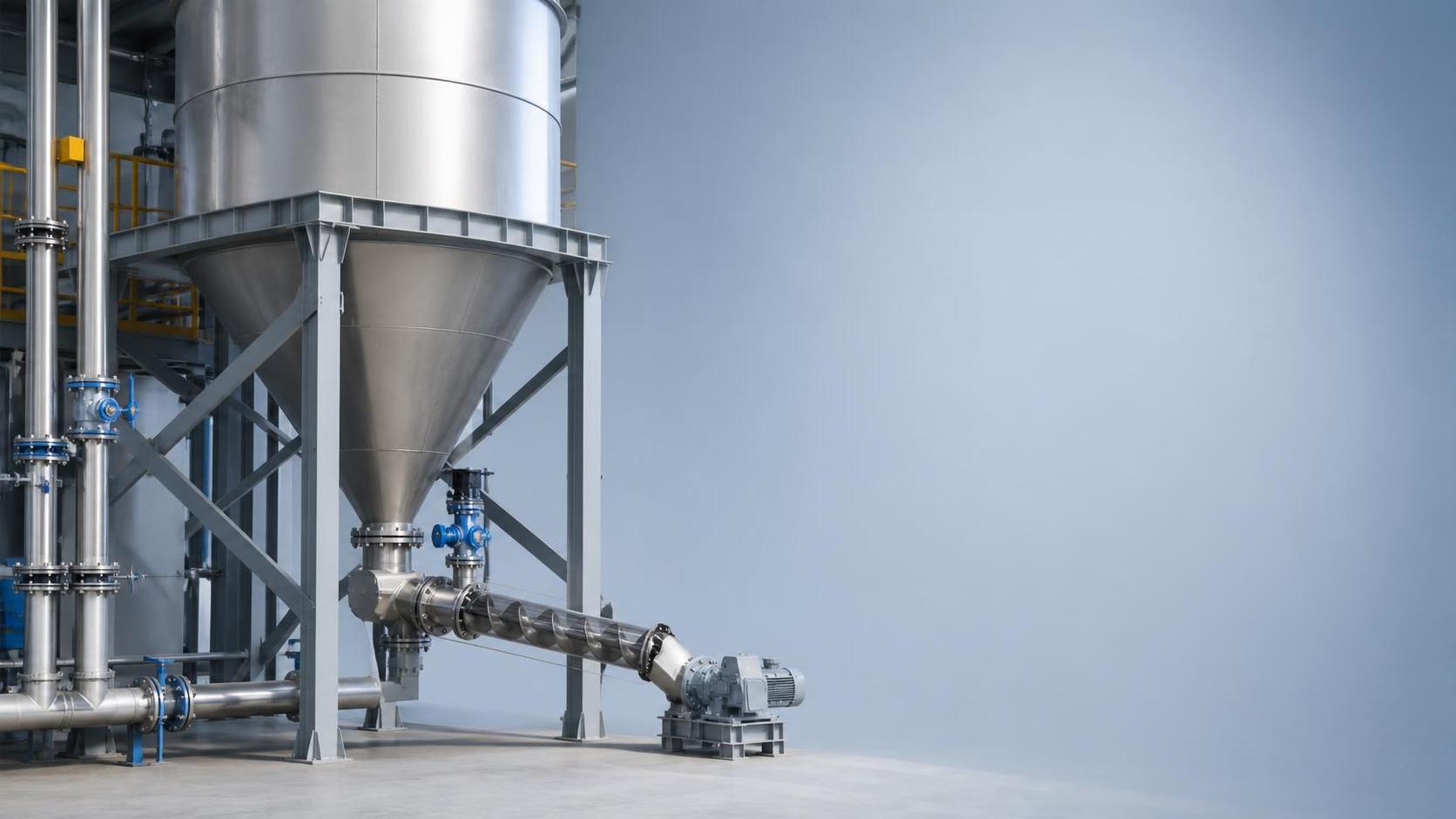
Start with the real process, not the tank nameplate
Sizing dry bulk storage tanks correctly starts with one question: what has to happen between the inbound flow, the storage buffer, and the discharge point? If you only look at total capacity, you usually miss the part that causes trouble in practice. A tank that sounds large on paper can still choke a line, bridge a material, or force awkward shutdowns if the flow rate, filling pattern, and discharge schedule do not match.
For technical evaluators, the safest approach is to size around the material behavior and the operating rhythm. That means checking how fast the material enters, how long it must stay on site, how steadily it leaves, and whether the system needs surge room for unplanned delays. For grain, building materials, power, and chemical service, those details matter more than a generic volume target.
Check the flow rate in both directions
A common mistake is to size the storage tank from receiving rate alone. That is not enough. You need to compare incoming flow and outgoing flow, then identify the gap the tank must absorb. If material arrives in batches but leaves continuously, the tank is acting as a buffer. If it arrives continuously but discharges in pulses, the tank has to tolerate surge and recover quickly.
- Record the average feed rate and the peak feed rate separately.
- Do the same for discharge, especially if the downstream process stops and starts.
- Size for the worst credible mismatch, not the average day.
If the incoming stream is faster than the outlet for long stretches, extra capacity is not a comfort feature. It is the buffer that keeps the line from backing up. That is why equipment such as Vertical Bulk Cement Silos for Batching Plant is often evaluated not just on volume, but on whether the storage and discharge rhythm actually supports batching without stop-start losses.
Do not size from volume alone; check bulk density and live capacity
Two materials can occupy the same cubic volume and behave very differently in mass. Bulk density changes how much working inventory a tank can hold, how the load transfers to the structure, and how fast the system reaches its practical fill limit. A tank that is technically “full” may still underperform if the material compacts, segregates, or loses usable flow space near the outlet.
When reviewing dry bulk storage tanks, separate three numbers: nominal geometric capacity, practical working capacity, and reserve space. The gap between them is where many sizing errors hide. Powdery materials, flaky solids, and materials that settle can all reduce the amount you can reliably use without causing discharge problems.
Match the outlet to the material, not the drawing
A storage tank can be oversized and still fail if the outlet cannot move the material at the required rate. This is where technical reviews often get too optimistic. Fine powders may need aeration or a different hopper angle. Cohesive materials may bridge. Abrasive materials can wear discharge parts faster than expected. Free-flowing granules behave better, but they can still segregate if the discharge point is poorly arranged.
Check the following before you lock the capacity:
- Minimum discharge rate required by the downstream process.
- Whether the outlet can empty the useful volume without dead zones.
- Whether the material needs live flow, mass flow, or assisted flow features.
- Whether the outlet arrangement creates segregation or uneven drawdown.
Build in reserve for operating reality
You rarely get perfect scheduling in the field. Trucks arrive late, conveyors pause, maintenance takes longer than planned, and some materials simply do not flow as neatly in service as they did in the sample report. Reserve capacity is what keeps those small disruptions from becoming production stoppages.
The reserve should be based on the role of the tank. If it is only a short buffer between two stable processes, the margin can be modest. If it sits between irregular deliveries and a critical process line, the margin needs to be more deliberate. Do not treat reserve as wasted space; treat it as working tolerance.
Check material behavior under storage, not just during transfer
Some materials change after they are inside the tank. Moisture pickup, temperature swings, vibration, and extended residence time can all change flow behavior. Grain may need attention to aeration and spoilage risk. Building materials may compact. Some chemical powders become more difficult to discharge after sitting idle. If the tank holds material long enough for those effects to matter, the sizing review has to include them.
A useful rule is simple: if the material becomes harder to move after storage, the “effective capacity” is lower than the geometric number on the drawing. That is one reason a project should not accept capacity claims without asking how the material behaves after a full storage cycle.
Use a quick decision table during evaluation
Treat access, cleaning, and maintenance as sizing inputs
A tank that is hard to inspect or clean can become functionally smaller over time. Residual build-up, caking, and restricted access reduce usable capacity even when the shell volume stays the same. Technical reviewers often focus on process capacity and forget the hidden loss caused by maintenance constraints.
Ask whether the layout allows safe inspection, whether the outlet area can be cleared, and whether the tank can return to service without long downtime. If those answers are weak, the practical storage capacity should be discounted before the final decision is made.
A simple review sequence that holds up in practice
When you are comparing dry bulk storage tanks for a project, work through the review in this order: material behavior, flow rate, working inventory, outlet performance, reserve needs, and maintenance access. That order keeps you from approving a tank that looks adequate on paper but fails in operation.
For mixed-industry projects, that sequence is especially useful because the same shell style can behave very differently with grain, cement, fly ash, lime, or chemical powders. The right answer is never just “larger” or “smaller.” It is the tank that can actually store the material, release it at the required rate, and stay manageable over the life of the system.
If you keep the check on flow mismatch, usable capacity, discharge behavior, and operating reserve, you will usually end up with a sizing decision that is defensible in the field and easier to live with after commissioning.
Related Posts
- ▶ How a Dry Bulk Silo Handles Pneumatic Filling and Gravity Discharge
- ▶ What Is a Dry Bulk Silo, and When Does a Factory Need One?
- ▶ Can dry bulk storage silos be integrated into existing PLC-controlled batching systems?
- ▶ Do dry bulk silos designed for API 650 compliance meet ASME Section VIII requirements?
- ▶ Is almacénamiento de sólidos a granel en silos de acero inoxidable viable for small-scale agrochemical distributors?
- ▶ How do vibration-based level sensors perform in stainless steel silos with powder coating?
Online Message