





How to Reduce Fly Ash Storage Moisture Problems and Keep Discharge Stable
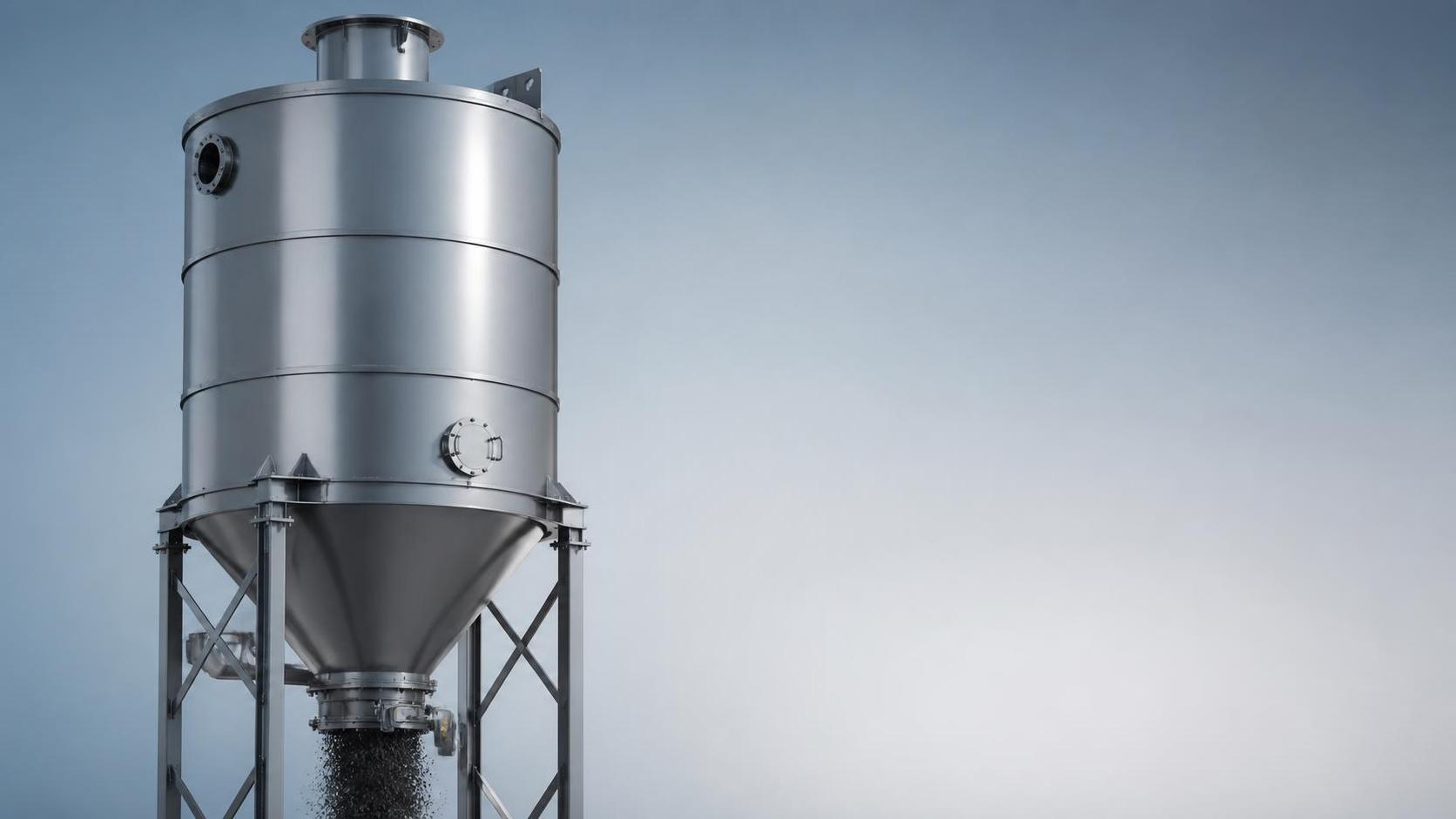
Start with the moisture points that actually cause discharge trouble
When fly ash storage starts to stick, bridge, or release unevenly, the problem is usually not “too much moisture” in the abstract. It is moisture entering at a few predictable points: warm ash meeting cool steel, humid air cycling in and out of the silo, water leaking through roof joints or manholes, or condensation forming after shutdowns. For after-sales maintenance work, the fastest win is to map those points before touching the discharge system.
Walk the silo from top to bottom and ask one simple question at each stop: where could damp air, rainwater, or condensate stay long enough to affect the material? That usually leads you to the roof, venting path, inlet line, shell insulation, hopper cone, and outlet equipment. If you only inspect the discharge device, you often miss the real cause.
Check the roof, vents, and access points first
In fly ash storage, the top of the silo is where many moisture problems begin quietly. A vent that is blocked, undersized, or poorly routed can pull in humid air and create internal condensation during temperature swings. Roof seams, handholes, instrument ports, and manholes are also common leak points after a period of vibration or weather exposure.
Look for water stains, rust lines, powder caking near the roof cone, and any damp patches around inspection openings. If the ash near the top is forming a hard crust while the lower section still flows, that usually points to moisture entering from above, not a problem at the discharge gate. A quick visual check after rain and again after a shutdown restart can tell you a lot.
Treat condensation as a normal operating risk, not a surprise
Many discharge issues appear after a silo sits idle. Warm ash, a cooler shell, and humid ambient air create condensation on the inside wall and hopper. That thin film is enough to start adhesion, especially where material movement is already slow. If the unit is exposed to large day-night temperature changes, the risk goes up.
The practical check is simple: if bridging gets worse after downtime or after weather shifts, think condensation before you think mechanical failure. Insulation, controlled ventilation, and avoiding long idle periods with a half-full silo all help. In some installations, the ash quality is fine, but the storage pattern itself makes moisture problems worse.
Do not ignore the inlet condition
The inlet line can introduce more trouble than the silo body. If hot fly ash enters unevenly or the conveying line picks up ambient moisture, you may see clumps forming before the material even settles. That gives the discharge system a bad starting point. Once agglomerates form, they do not break up just because the outlet is well designed.
Maintenance teams should check whether the inlet is sending material in a stable, centered pattern and whether any backflow, leakage, or wet cleaning water has reached the line. After service work, a common mistake is leaving the line exposed longer than needed. Even short exposure during humid weather can matter when the product is fine and dusty like fly ash.
Use the outlet symptoms to read the real moisture level
The discharge behavior tells you whether the moisture problem is mild or already structural. Slow but steady flow usually means surface sticking or local compaction. Repeated arching, sudden stoppages, or a need for frequent poking means the ash has moved beyond simple dampness and is behaving like a cohesive mass.
Do not overreact by increasing vibration or opening the gate wider without checking the cause. That can mask the symptom while making the buildup harder later. A better approach is to note when the blockage happens, how full the silo is, and whether the issue appears at the start of discharge or only after some material has already flowed. Those details usually narrow the cause faster than guesswork.
Keep the hopper and discharge device clean enough to work
A lot of unstable discharge starts with buildup that is easy to miss. Fine fly ash can pack into corners, flanges, and transitions even when the main flow looks acceptable. Once that layer absorbs moisture, it becomes a hard edge that catches new material and narrows the effective opening.
When maintenance teams clean the hopper, the goal is not just to make it look clear. The real check is whether there are leftover shelves, dead zones, or rough patches where material can sit. Any welded repair, corrosion spot, or uneven liner surface can become a moisture trap. If discharge has become inconsistent after a repair job, inspect the repaired area before changing the actuator or control settings.
Match the discharge method to how this material behaves
Fly ash is sensitive to flow path and pressure. If the outlet arrangement does not suit the silo shape, the material may compact instead of moving. That is why a silo that works well in dry weather can become troublesome once humidity rises. The issue is not only the ash; it is the combination of outlet size, hopper angle, and surface condition.
If the site uses air pads, aeration, or vibration, check whether those aids are still distributed evenly. A blocked line or worn component can make one side of the hopper active and the other side dead, which often worsens arching instead of solving it. For after-sales service, uneven discharge aid performance is a frequent hidden cause.
Control the operating rhythm, not just the hardware
Some moisture problems are made worse by the way the silo is used. Long idle periods, partial filling, repeated start-stop discharge, and leaving the outlet open to ambient air all change the internal humidity profile. In practice, a stable operating rhythm often does more for flow reliability than a small mechanical adjustment.
If the discharge becomes unstable after weekends, shutdowns, or weather breaks, compare those periods with the maintenance log. A pattern there usually points to moisture migration rather than a failed motor or damaged valve. That distinction matters, because fixing the wrong layer wastes time and leaves the same failure waiting for the next humid cycle.
Use inspection details that help the next shift, not vague notes
Good after-sales records are specific. Write down where the buildup started, whether it was upper wall, cone, or outlet, what the weather was doing, how long the silo had been idle, and whether the material was flowing freely before the stop. That kind of note is more useful than “poor discharge” or “moisture issue.”
When a pattern repeats, the record often shows whether the problem belongs to sealing, ventilation, operating schedule, or discharge design. That helps the team decide whether to clean, repair, adjust, or redesign. For sites that need tighter material handling in mixed industries, some teams compare their fly ash setup with enclosed storage systems such as Food Grade Stainless Steel Grain Tanks to think more clearly about sealing, hygiene, and moisture control priorities, even when the exact application is different.
Use a simple decision order when trouble shows up
When discharge turns unstable, do not start with the most expensive fix. Check the top seals, then the vent path, then condensation risk, then the inlet condition, and only after that focus on the outlet device itself. That order saves time because it follows the way moisture usually enters and moves inside the silo.
If the problem is mild, cleaning and sealing may be enough. If the same arching returns after weather changes or downtime, the silo environment needs attention. If the flow fails even with dry material and clean internals, then the discharge geometry or aid system deserves a deeper look. That sequence keeps the team from chasing symptoms and helps keep fly ash storage discharge predictable in daily work.
Related Posts
- ▶ How a Dry Bulk Silo Handles Pneumatic Filling and Gravity Discharge
- ▶ What Is a Dry Bulk Silo, and When Does a Factory Need One?
- ▶ Can dry bulk storage silos be integrated into existing PLC-controlled batching systems?
- ▶ Do dry bulk silos designed for API 650 compliance meet ASME Section VIII requirements?
- ▶ Is almacénamiento de sólidos a granel en silos de acero inoxidable viable for small-scale agrochemical distributors?
- ▶ How do vibration-based level sensors perform in stainless steel silos with powder coating?
Online Message