





Grain Silo Safety Risks Every Facility Should Check First
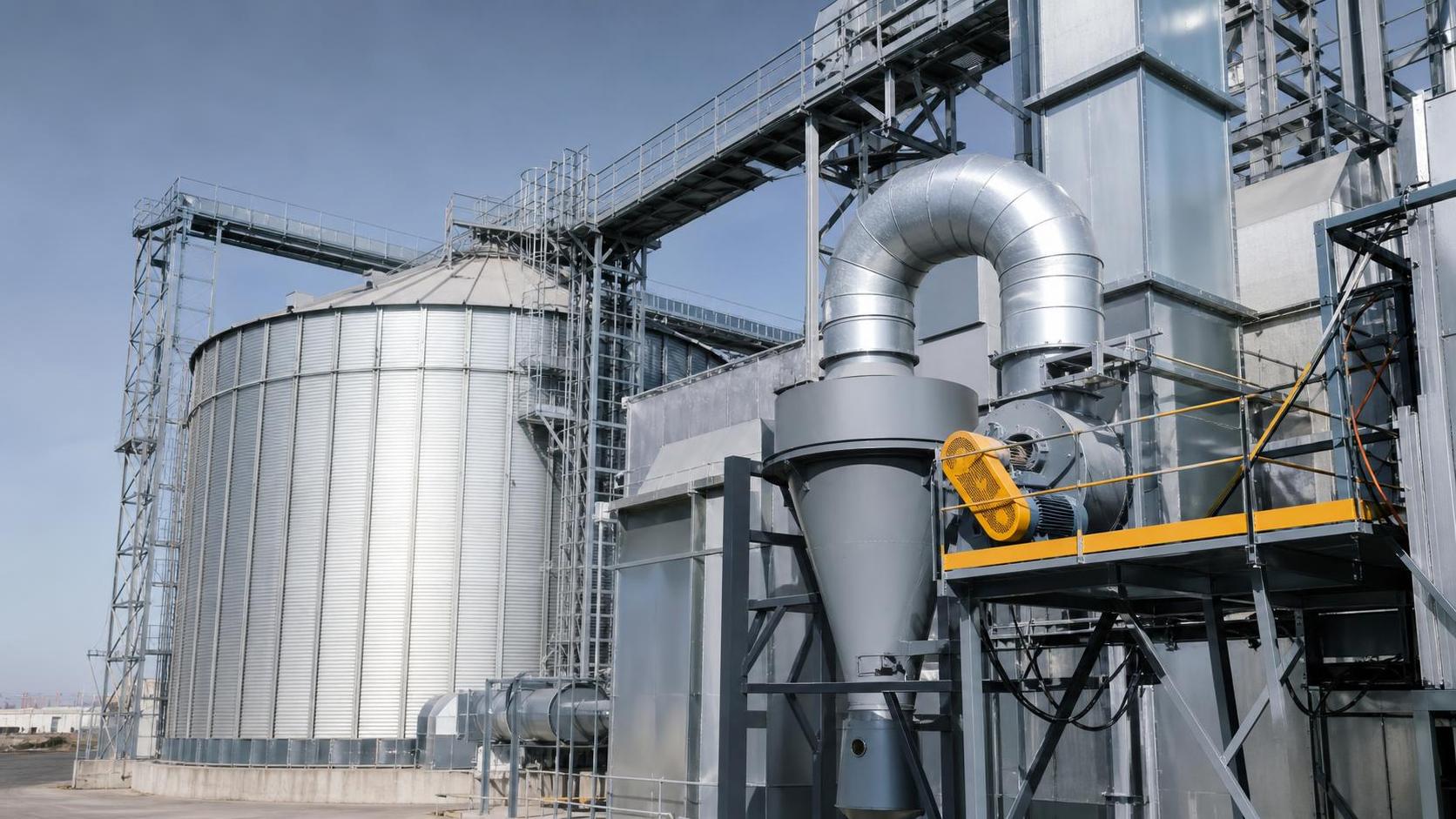
Grain Silo Safety Risks Every Facility Should Check First
Grain silo safety starts with the first inspection points, not the last emergency response. Small warning signs often appear early, long before a shutdown or accident.
In daily operations, one missed issue inside a grain silo can affect product quality, worker safety, and storage stability at the same time.
That is why the first checks matter most. They help reduce losses, support compliance, and keep handling systems running without avoidable interruption.
For companies building and supplying steel storage systems, such as Shandong Guokai International Trade Co., Ltd., this is a practical issue across grain, power, chemical, and building material projects.
Why early grain silo risk checks matter
A grain silo is not only a storage container. It is part of a process that includes intake, drying, aeration, discharge, cleaning, and inspection.
When one part fails, the effect can spread fast. Grain spoilage, structural stress, dust ignition, and worker exposure often begin with routine oversights.
A stronger grain silo safety program starts by ranking hazards by impact and likelihood. The highest priority checks are usually visible, measurable, and correctable.
- Conditions that can trigger fire or explosion
- Weak points that threaten structural integrity
- Storage issues that damage grain quality
- Access hazards during entry, cleaning, or maintenance
- Equipment failures that disrupt safe material flow
1. Dust explosion risk should be checked first
Combustible dust remains one of the most serious grain silo hazards. Fine grain particles can ignite quickly when suspended in air.
The danger increases around conveyors, bucket elevators, transfer points, and unloading sections. These areas should be on the first inspection route.
What to check
- Dust buildup on floors, ledges, motors, and beams
- Overheated bearings or misaligned rotating parts
- Damaged wiring, loose connections, or unsealed panels
- Poor ventilation in enclosed handling zones
- Missing grounding or bonding on metal equipment
What this means in practice
If a grain silo shows repeated dust deposits after cleaning, the problem is usually process control, not housekeeping alone.
Check enclosure points, suction performance, and transfer speed. A clean-looking site can still carry a serious ignition risk.
2. Grain spoilage and hotspot formation need early action
A grain silo can appear stable from outside while internal conditions are already shifting. Moisture pockets and heat buildup are common early failures.
Once spoilage starts, it can spread through caking, mold growth, odor, insect activity, and loss of marketable inventory.
Priority inspection points
- Temperature trends from monitoring cables
- Moisture differences between incoming and stored grain
- Blocked aeration ducts or uneven airflow
- Condensation under the roof or near wall sheets
- Crusting near discharge openings
A rising temperature in one zone is a more meaningful signal than a single high reading. Trend review should be part of every grain silo inspection routine.
When storage systems are designed for stable airflow and reliable sealing, quality control becomes easier and loss events are easier to prevent.
3. Structural stress is often underestimated
Not every grain silo failure begins with a dramatic collapse. Many start with distortion, corrosion, leaking joints, or abnormal unloading behavior.
These signs deserve immediate attention because stored grain creates high lateral pressure, especially during uneven loading or discharge.
First structural checks
- Wall bulging, wrinkling, or bolt loosening
- Corrosion around base rings and anchor zones
- Water entry near roof seams and access openings
- Foundation settlement or cracks near support points
- Signs of off-center filling or eccentric discharge
Structural reliability depends on design, installation quality, and operating discipline. A well-built steel silo still needs controlled loading patterns and routine condition checks.
In mixed storage sites, managers sometimes compare grain facilities with Oil Storage Tanks. The operating risks differ, but inspection discipline should be equally strict.
4. Confined space and engulfment hazards require stronger controls
A grain silo becomes especially dangerous during entry. Bridged grain, sidewall buildup, and hidden voids can trap a worker within seconds.
This is not a rare or theoretical issue. Entry tasks often happen during cleaning, unblocking, maintenance, or emergency inspection.
Minimum control points
- Lockout and isolation before entry
- Atmospheric testing where required
- Permit approval and rescue readiness
- No entry onto unstable grain surfaces
- Continuous communication with an outside observer
If a grain silo regularly needs manual unblocking, the root cause should be investigated. Frequent entry is often a sign of deeper flow or moisture problems.
5. Mechanical and electrical failures can escalate fast
Many grain silo incidents start as ordinary equipment issues. A slipping belt, jammed auger, or overloaded motor can become a fire, spill, or shutdown event.
These failures also affect grain quality by interrupting airflow, transfer timing, or discharge balance.
Key checks during rounds
How to prioritize a grain silo inspection checklist
A useful checklist is short, specific, and tied to real failure history. It should support action, not paperwork volume.
Start with risks that can injure people, trigger major loss, or spread quickly across the site. Then review quality and maintenance indicators.
- Check combustible dust, heat, and ignition sources first.
- Review temperature and moisture trends inside each grain silo.
- Inspect wall condition, base area, and roof sealing.
- Verify entry controls, isolation steps, and rescue readiness.
- Confirm critical mechanical and electrical equipment status.
When inspection data is organized this way, the grain silo review becomes easier to defend during audits and easier to improve over time.
Prevention works best when design and operation support each other
Risk control is stronger when the grain silo itself is built for reliable sealing, ventilation, loading balance, and long-term structural performance.
That is one reason many industrial buyers look for experienced steel silo suppliers with engineering, manufacturing, and project delivery capabilities in one system.
The same site may also manage other storage assets, including Oil Storage Tanks, but grain handling needs its own hazard logic and inspection standards.
When design choices align with operating controls, maintenance teams spend less time reacting and more time preventing repeat issues.
Final action points for safer grain silo operations
The first grain silo checks should always focus on the risks that escalate fastest. Dust, hotspots, structural stress, engulfment, and equipment faults belong at the top.
A practical inspection routine does not need to be complicated. It needs clear priorities, repeatable records, and fast correction when warning signs appear.
Facilities that review these issues early usually see better compliance, steadier grain quality, and fewer disruptive incidents across the storage cycle.
If the goal is safer storage with fewer surprises, the right place to start is simple: inspect the grain silo risks that matter first, and act before they grow.
Related Posts
- ▶ How a Dry Bulk Silo Handles Pneumatic Filling and Gravity Discharge
- ▶ What Is a Dry Bulk Silo, and When Does a Factory Need One?
- ▶ Can dry bulk storage silos be integrated into existing PLC-controlled batching systems?
- ▶ Do dry bulk silos designed for API 650 compliance meet ASME Section VIII requirements?
- ▶ Is almacénamiento de sólidos a granel en silos de acero inoxidable viable for small-scale agrochemical distributors?
- ▶ How do vibration-based level sensors perform in stainless steel silos with powder coating?
Online Message