





Fly Ash Silo Design Features That Reduce Dust and Downtime
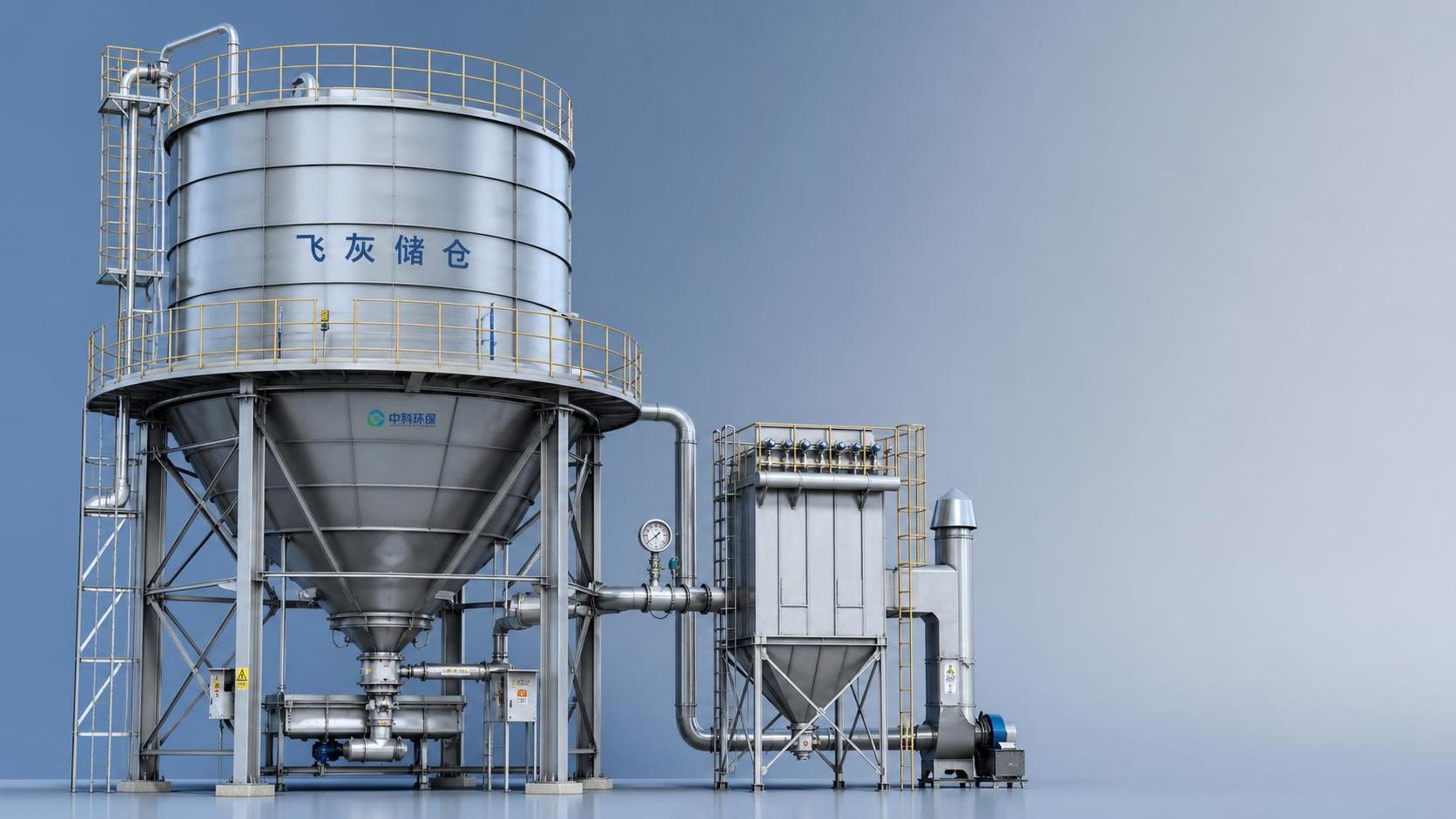
Fly Ash Silo Design Features That Reduce Dust and Downtime
For quality control and safety management teams, a well-engineered fly ash silo is more than storage equipment. It directly affects dust control, uptime, and inspection efficiency.
A poorly designed fly ash silo often creates hidden problems. Common issues include powder leakage, arching, unstable discharge, filter overload, and frequent maintenance shutdowns.
The better approach starts with design. When the structure, airflow, sealing, and unloading system work together, dust emissions drop and daily operation becomes more predictable.
This article explains the design features that matter most. It also shows how to evaluate a fly ash silo against practical reliability and safety expectations.
Why Dust and Downtime Start at the Design Stage
Fly ash behaves differently from coarse bulk solids. It is fine, fluid-like, abrasive, and easily airborne during loading, storage, and discharge.
That means a fly ash silo must control pressure changes and material flow at the same time. If one part is neglected, the whole system becomes harder to manage.
From recent project trends, the stronger signal is clear. Plants now expect storage systems to support cleaner operations, faster checks, and fewer unplanned stops.
This also means design reviews should go beyond capacity alone. The right fly ash silo should be assessed for containment, access, flow behavior, and maintenance risk.
Sealed Inlet and Venting Systems
One of the first dust sources is the filling process. Pneumatic conveying can create sudden pressure spikes inside the fly ash silo.
If the venting system is undersized, dust may escape through weak seals, inspection covers, or flange joints. That leads to contamination and repeated cleanup.
A better design includes a properly sized inlet, pressure relief arrangement, and high-efficiency dust collector. The goal is stable air displacement during every loading cycle.
Seal quality also matters. Gaskets, bolted joints, and roof penetrations should be selected for fine powder service, not general bulk handling.
- Use airtight feed connections with wear-resistant construction.
- Match dust filter capacity to conveying volume and peak loading rates.
- Add pressure monitoring to detect blocked vents early.
- Check roof openings and access points for leakage paths.
Cone Geometry That Supports Reliable Flow
Many downtime events begin below the storage section. Poor cone design can cause bridging, ratholing, and inconsistent discharge from the fly ash silo.
The hopper angle should reflect actual powder behavior, not assumptions. Fine ash often needs steeper geometry to keep material moving under different moisture conditions.
Surface finish inside the cone also plays a role. Rough internal surfaces increase buildup and make flow interruptions more likely over time.
In practical use, mass flow is usually preferred where process stability is critical. It reduces stagnant zones and lowers the chance of hardened deposits.
When plants compare storage options, lessons from Cement Silos often apply here too. Powder flow reliability depends heavily on hopper engineering.
Discharge Aids and Controlled Unloading
Even with a good cone, some fly ash silo applications need discharge assistance. The key is using the right aid without damaging the structure or compacting material.
Aeration pads are common because they help fluidize fine powder near the outlet. When placed correctly, they improve discharge consistency and reduce manual intervention.
Vibration devices can be useful, but they should be selected carefully. Excessive vibration may stress welded parts, loosen joints, and shorten service life.
The outlet valve arrangement also deserves attention. A stable transition from silo to screw conveyor, tanker loading line, or batching equipment prevents surges and dust release.
- Choose flow aids based on ash density, moisture, and unloading frequency.
- Protect outlet zones from abrasion and air leakage.
- Avoid discharge designs that rely on frequent manual knocking or opening.
Dust Control at Maintenance Points
A fly ash silo may look sealed during normal operation, yet still create dust during inspection and maintenance. This is a common blind spot in many facilities.
Manholes, sampling points, level devices, and service platforms should be designed as part of the containment system. They should not be treated as secondary accessories.
Quick access helps, but controlled access is more important. Teams need safe entry points that allow inspection without spreading residual powder into surrounding areas.
Good design also shortens maintenance windows. If filters, valves, and sensors are reachable, technicians spend less time preparing for routine tasks.
Level Monitoring, Overfill Protection, and Alarms
Overfilling a fly ash silo can trigger dust release, structural stress, and equipment failure. Reliable level measurement is therefore a basic design requirement.
A single level device is rarely enough for critical service. High-level alarms, continuous level measurement, and interlocks provide better protection.
This becomes more important when multiple transfer operations happen at the same site. Operators need clear status information before loading starts.
In actual operations, alarm design should focus on response time and visibility. A warning that arrives too late does little to protect a fly ash silo.
Structural Strength and Wear Resistance
Dust control is not only about filters and seals. Structural durability also affects how well a fly ash silo performs over time.
Repeated filling cycles, pressure fluctuation, and abrasive solids can weaken vulnerable areas. Typical high-risk points include the inlet, cone outlet, and support transitions.
Wear liners, reinforced plates, and appropriate steel grades help preserve dimensional stability. That reduces crack risk and prevents leaks from developing around stressed sections.
For manufacturers with strong silo engineering experience, including companies active in grain, power, chemicals, and building materials, this is a standard part of reliable system design.
Inspection-Friendly Layouts Reduce Downtime
A well-designed fly ash silo should be easy to inspect without disrupting adjacent systems. That principle often determines whether a minor issue becomes a major shutdown.
Platforms, ladders, guardrails, and instrument positions should support regular checks. Teams should be able to confirm condition quickly and safely.
Service points should also be grouped logically. If air valves, filters, and sensors are scattered, inspections take longer and missed defects become more likely.
This is where engineered storage solutions and proven Cement Silos design experience can offer practical value, especially in dust-intensive environments.
A Practical Review Checklist for Fly Ash Silo Selection
When evaluating a fly ash silo, it helps to use a short technical checklist. This keeps attention on performance details that affect safety and uptime.
- Is the venting and dust collection capacity verified for peak loading conditions?
- Does the cone angle support stable flow for the actual ash properties?
- Are discharge aids appropriate and structurally compatible?
- Are level alarms, pressure devices, and interlocks clearly defined?
- Can filters, valves, and sensors be inspected without excessive shutdown time?
- Are high-wear zones reinforced against long-term abrasion?
A fly ash silo that performs well on these points is more likely to deliver clean operation, predictable output, and lower maintenance disruption.
Conclusion
The best fly ash silo designs reduce dust and downtime by combining sealing, flow control, wear resistance, and inspection access into one system.
That combination matters more as plants tighten quality expectations and safety requirements. Small design choices often shape long-term operating results.
Before selecting or upgrading a fly ash silo, review the design through the lens of real operating risk. Cleaner storage and fewer shutdowns usually begin with better engineering decisions.
Related Posts
- ▶ How a Dry Bulk Silo Handles Pneumatic Filling and Gravity Discharge
- ▶ What Is a Dry Bulk Silo, and When Does a Factory Need One?
- ▶ Can dry bulk storage silos be integrated into existing PLC-controlled batching systems?
- ▶ Do dry bulk silos designed for API 650 compliance meet ASME Section VIII requirements?
- ▶ Is almacénamiento de sólidos a granel en silos de acero inoxidable viable for small-scale agrochemical distributors?
- ▶ How do vibration-based level sensors perform in stainless steel silos with powder coating?
Online Message