





Fly Ash Silo Operation: How to Reduce Bridging and False Readings
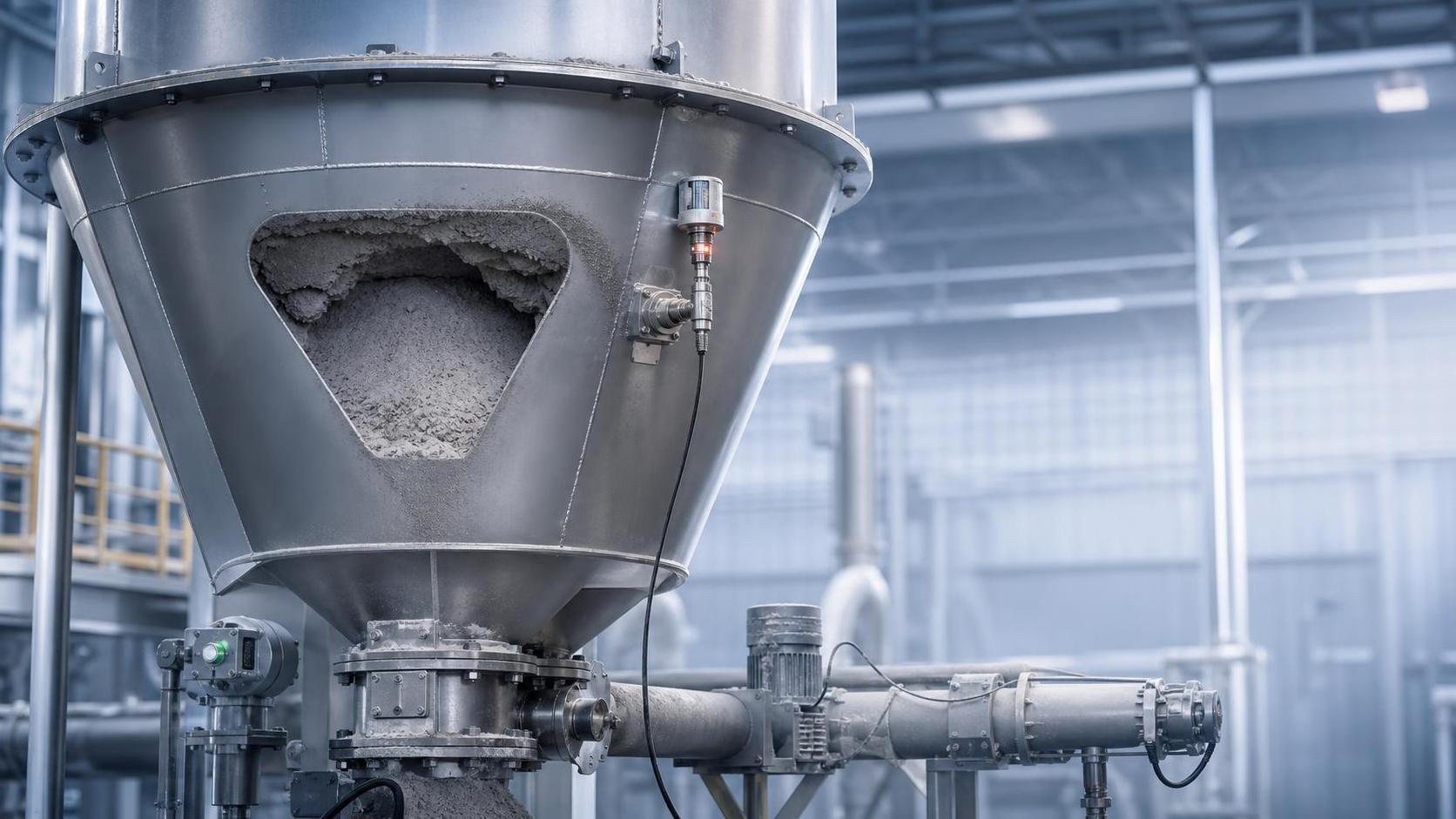
It usually starts with a contradiction on the panel. The level indicator says there is still material in the silo, but the discharge line is starving. Or the opposite happens: operators assume the vessel is nearly empty, then a sudden release sends an unexpected surge downstream. In many plants, this is the moment when routine work turns into a guessing game. A fly ash silo may look simple from the outside, yet inside it can behave in ways that are anything but predictable.
Bridging and false readings are especially frustrating because they do not always appear as major failures. Sometimes the signs are subtle: discharge slows for no clear reason, the aeration system seems to run longer than usual, or the reported inventory stays unchanged even though material is obviously moving. Left alone, those small inconsistencies can waste time, increase cleaning work, interrupt batching, and create unsafe habits as people try to “fix” flow problems too quickly. If you are dealing with this kind of situation, the best response is not trial and error. It is a more disciplined way of checking flow behavior, instruments, and operating conditions together.
Where the problem usually begins
Fly ash does not behave like coarse grain or free-flowing pellets. It is light, fine, and sensitive to moisture, air movement, and compaction. That means a silo can look properly designed on paper and still develop unstable flow patterns in daily operation. One shift may unload smoothly, while the next shift faces ratholing, arching above the outlet, or inaccurate level feedback caused by buildup on sensors.
A common mistake is to treat bridging and false readings as two separate issues. In practice, they often feed into each other. When material forms a stable arch inside the vessel, the level device may continue to detect mass above the bridge and suggest normal inventory. The discharge problem then gets misread as a valve fault or conveying issue. On the other hand, if a sensor is fouled by dust or adhered material, people may cycle the discharge system unnecessarily, which can compact product further and make poor flow more likely.
So the first useful shift in thinking is this: do not ask only, “Why is the sensor wrong?” or “Why is discharge slow?” Ask whether the internal flow condition and the reading method are still compatible with the material you are storing.
Symptoms that point to bridging rather than simple blockage
Not every unloading problem means a bridge has formed. A clogged line, worn rotary valve, or air supply issue can create similar symptoms. Still, there are a few patterns that often suggest internal arching or ratholing in a fly ash silo.
One pattern is intermittent discharge. Material may flow for a short period, stop, then resume after vibration, aeration, or pressure changes. Another sign is a persistent difference between indicated level and actual process demand downstream. If the system reports available inventory but the feed becomes erratic, the issue may be occurring above the outlet rather than in the line itself.
You may also notice that the problem appears after storage time increases. Fly ash that sits longer can compact and become less willing to move, especially if humidity, temperature changes, or air leakage affect the silo. In some operations, the trouble is worst after a weekend stop or after irregular filling cycles. That timing matters, because it points away from a pure mechanical failure and toward bulk material behavior.
Why false readings are so common in dusty storage service
Level measurement in powder service is rarely a “set and forget” task. Fine ash can cling to probes, coat surfaces, and create misleading signals. Depending on the measuring principle, buildup may imitate a covered sensor, weaken a return signal, or interfere with the device’s intended detection zone. The problem gets worse when silo geometry creates uneven filling patterns. A device may technically function as designed while still reporting a condition that does not represent the average inventory inside the vessel.
This is why a reading should always be interpreted in context. If the number on the display does not match the behavior at the outlet, the answer is not to trust one source blindly. Compare the level trend with fill events, discharge duration, blower load, valve cycling, and whatever physical observation is safely available. A reading that stays flat during known movement is often more revealing than a reading that is merely high or low.
Start with operating habits before changing hardware
When people are under pressure to restore flow, they often jump straight to equipment replacement. Sometimes that is necessary, but many recurring issues begin with routine operation. Before changing sensors or adding mechanical aids, review how the fly ash silo is being filled, stored, and emptied.
Look at whether filling is too fast for stable venting, whether material enters in a way that promotes uneven distribution, and whether discharge is being started and stopped repeatedly. Stop-start unloading can create compaction zones and unstable flow channels. The same is true when aeration is used inconsistently—too little may not support flow, but too much or poorly timed air can fluidize only part of the material and worsen segregation inside the hopper area.
It also helps to ask a practical question: has the material changed in a small but important way? Even if the source is nominally the same, differences in fineness, residual moisture, carbon content, or temperature can affect behavior. Operators often assume “fly ash is fly ash,” but handling settings that worked last month may not suit what is arriving now.
A more reliable way to troubleshoot the silo
If you want to reduce guesswork, inspect the system in the order that the material experiences it.
1. Check the fill side
Start at the inlet and venting arrangement. Poor venting during filling can disturb internal distribution and leave compacted or uneven zones. Confirm that dust collection and pressure relief components are functioning normally and not causing abnormal internal pressure behavior. Also consider where the incoming stream lands. Repeated filling in one pattern can contribute to uneven pile formation, which later affects discharge.
2. Review storage conditions
Long residence time, moisture intrusion, and temperature swings are all worth attention. Even a well-sealed silo can develop issues if inspection covers, flanges, or air connections allow unwanted moisture to enter. Fine powders do not need obvious water contamination to change behavior. Slight dampness or condensation can be enough to increase adhesion and promote bridging.
3. Observe discharge behavior
Do not focus only on whether the outlet is open. Watch the pattern of flow initiation. Does discharge begin smoothly and remain steady, or does it pulse? Does it improve after aeration and then quickly collapse again? That difference can help distinguish between line restriction and internal arching. If safe plant procedures allow, trend these observations over several cycles rather than judging from one event.
4. Verify instrument condition in place
Before assuming a sensor has failed, inspect whether its mounting location still makes sense for the actual material pattern inside the vessel. Buildup, dead zones, and local flow channels can all distort readings. Cleaning a device may restore accuracy temporarily, but repeated fouling suggests a placement or technology mismatch rather than a one-time maintenance issue.
Practical ways to reduce bridging
Most improvements come from matching the silo, outlet, and flow aids to the real behavior of the powder instead of forcing the powder to behave like a freer-flowing material. In daily operation, several actions tend to help.
First, avoid letting the material sit unnecessarily long when the process allows regular turnover. Stagnation increases the chance of compaction. Second, use aeration carefully and consistently. Aeration should support discharge near the problem area, not simply add more air because flow appears weak. Random adjustments often mask the underlying cause.
Third, pay attention to hopper and outlet condition. Surface wear, deposits, and geometry changes from repairs can alter flow patterns more than expected. A silo that originally discharged well may become less reliable over time if the internal surfaces no longer behave as intended. For powder applications beyond fly ash, some facilities reviewing their storage setup also compare vessel design features used in Alumina Powder Silos, since similarly fine materials often highlight the importance of outlet design, wall condition, and suitable flow-assist methods. That comparison is useful as a design reference, not as a shortcut replacement for proper evaluation.
Another helpful step is to reduce the number of emergency interventions that disturb the material bed unpredictably. Hammering, aggressive vibration, or repeated forced cycling may appear to solve today’s stoppage while making tomorrow’s bridge more likely. If flow aids are needed often, that is a sign to reassess the operating method or the vessel configuration rather than normalizing disruptive recovery practices.
Improving level accuracy without overcomplicating the system
Reliable measurement often depends less on adding more devices and more on choosing a realistic verification method. In powder silos, a single reading should rarely be the only basis for operational decisions. High-level and low-level point detection can be useful for protection, but everyday inventory judgment is better when process signals are compared instead of viewed in isolation.
For example, if a level trend shows little change during confirmed discharge, that should trigger inspection even if the absolute value looks reasonable. If a sensor repeatedly becomes coated, ask whether a different mounting location would expose it to less buildup. If false alarms happen mainly after filling, examine whether incoming dust clouds are interfering with the device during that period.
There is also a maintenance discipline issue here. Cleaning intervals should reflect actual fouling tendency, not a generic calendar. Too infrequent, and readings drift unnoticed. Too frequent, and people may start treating normal inaccuracies as unavoidable. The better approach is to link maintenance frequency to observed operating conditions, especially after weather changes, source material changes, or unusual storage duration.
When the silo itself needs a closer look
Sometimes the operating team does everything reasonably well, and the trouble still returns. That is usually the point where the physical design deserves closer review. Outlet size, hopper angle, internal finish, aeration arrangement, and level-device location all influence how a fly ash silo behaves. If those elements are not aligned with the stored material, repeated maintenance will only manage symptoms.
This is where it can help to discuss storage configuration more broadly instead of looking only at one failed component. Fine-powder storage in different industries often faces similar flow challenges, and design lessons can carry across materials. In some evaluations, equipment categories such as Alumina Powder Silos are reviewed alongside ash storage because they draw attention to details like discharge geometry and resistance to buildup, both of which affect long-term operating stability. The point is not that every powder behaves the same, but that poor flow usually reflects a system relationship, not a single bad part.
Small decisions that prevent the same problem from coming back
Once bridging or false readings have been corrected, the next challenge is avoiding a quiet return to the same conditions. The best prevention habits are not dramatic. They include keeping records of when the issue appears, noting whether it follows long storage periods or certain fill sequences, and treating mismatch between level indication and outlet behavior as an early warning rather than a minor nuisance.
It also helps to standardize how people respond when discharge becomes unstable. If each operator uses a different recovery method, the silo experiences inconsistent stress and air input, which makes pattern recognition harder. A calmer, repeatable response gives maintenance and process staff a better chance to identify the real cause.
In the end, stable operation comes from respecting the material. A fly ash silo is not difficult because it is complicated; it is difficult because fine powders react strongly to small changes that are easy to overlook. When you combine sensible operating habits, realistic instrument checks, and a willingness to review the silo design when needed, bridging becomes less frequent and false readings become easier to catch before they disrupt the process.
Related Posts
- ▶ How a Dry Bulk Silo Handles Pneumatic Filling and Gravity Discharge
- ▶ What Is a Dry Bulk Silo, and When Does a Factory Need One?
- ▶ Can dry bulk storage silos be integrated into existing PLC-controlled batching systems?
- ▶ Do dry bulk silos designed for API 650 compliance meet ASME Section VIII requirements?
- ▶ Is almacénamiento de sólidos a granel en silos de acero inoxidable viable for small-scale agrochemical distributors?
- ▶ How do vibration-based level sensors perform in stainless steel silos with powder coating?
Online Message