





Dry Bulk Storage Tanks: Key Factors That Influence Total Project Cost
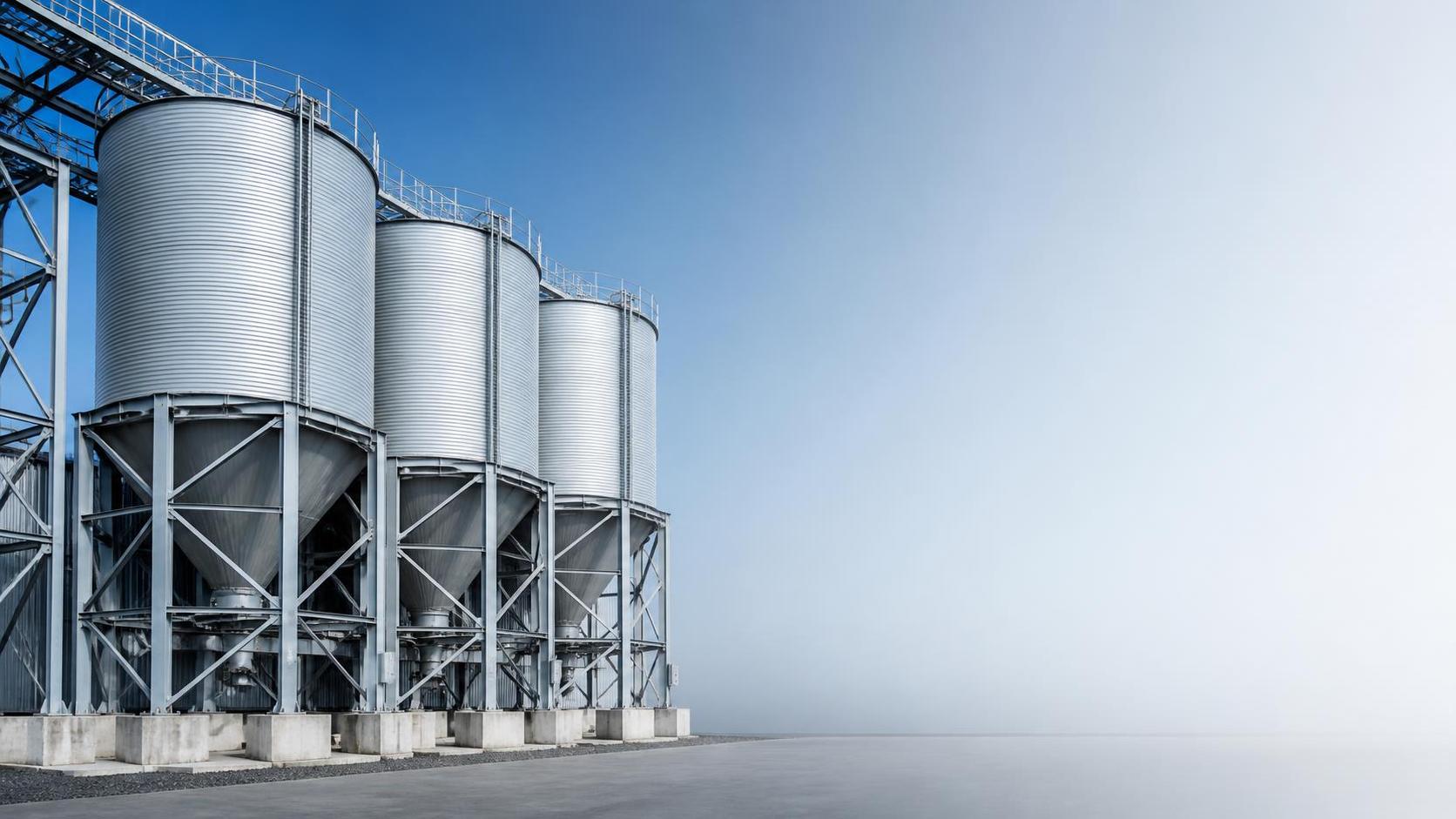
For financial approvers, the real question is not whether dry bulk storage tanks are necessary, but what drives the total project cost and where the budget risk actually sits. In most projects, the biggest cost swings come from design scope, material grade, capacity, foundation work, installation complexity, and the performance requirements tied to the material being stored.
The practical takeaway is simple: two tanks that look similar on paper can produce very different life-cycle economics. A lower bid may reduce capital expense today, but it can also increase structural risk, maintenance burden, or operating inefficiency later. That is why cost review should focus on total project value, not unit price alone.
What drives the total cost of dry bulk storage tanks?
Dry bulk storage tanks are not standardized commodities. Their final cost reflects a mix of engineering, fabrication, civil works, and site integration, all of which change with material type and project conditions.
For finance teams, the first cost driver is capacity. Larger storage volumes need more steel, stronger structural support, more complex foundations, and longer installation time. Small changes in capacity can create nonlinear cost growth, especially when the design crosses a threshold that requires heavier reinforcement or specialized handling.
Material selection is the next major factor. Carbon steel, stainless steel, and coated systems carry different price levels and different durability profiles. A cheaper material may reduce purchase cost, but if the stored product is corrosive, abrasive, or moisture-sensitive, the long-term cost can rise through repairs, contamination risk, and shorter service life.
Why engineering complexity changes the budget
The more specific the storage requirement, the higher the engineering burden. Bulk density, flowability, discharge angle, dust control, and bridging risk all influence tank geometry and internal components.
When a project requires specialty features such as vibration aids, aeration systems, insulation, or precise outlet control, the design becomes more customized and the budget expands. These additions are not optional extras in many industrial settings; they are the difference between stable operation and recurring downtime.
This is especially relevant in sectors such as grain, building materials, power, and chemicals, where product behavior can affect discharge reliability and inventory accuracy. A project built for general use may look economical at procurement stage, but it often becomes expensive once operational issues begin.
How civil works and installation affect financial approval
Many project budgets underestimate site preparation. Foundations, steel supports, access platforms, lifting equipment, and utility connections can add a substantial share to the final investment.
Installation cost depends heavily on site conditions. A flat industrial site with good access will usually require less labor and fewer logistics costs than a constrained or remote location. If crane time, transport permits, weather windows, or shutdown coordination are involved, the project schedule and budget both become more volatile.
Financial approvers should ask whether the proposal includes only supply cost or the full installed cost. In practice, a well-structured turnkey estimate is easier to approve because it reduces hidden exposure across procurement, civil engineering, commissioning, and handover.
Where operating requirements create hidden cost
Some costs do not appear in the initial quotation, but they matter just as much to total project value. Dust collection, moisture protection, temperature control, and level monitoring may be necessary to preserve product quality and reduce loss.
If the stored material is fine, reactive, or prone to caking, the tank system may need stronger sealing, better flow design, or more frequent inspection access. These choices increase upfront cost, but they also protect throughput and reduce unplanned maintenance. That tradeoff is often rational when the material is valuable or production stoppage is costly.
Product recovery and cleanout efficiency also deserve attention. A silo that is difficult to empty can leave residual material, create contamination between batches, and increase labor time. Over a multi-year horizon, those issues can outweigh a modest difference in purchase price.
How product fit changes return on investment
Not every storage solution is suitable for every bulk material. The right system depends on how the product flows, degrades, absorbs moisture, and interacts with the environment. Matching the design to the material is a direct financial decision, not just an engineering preference.
For example, Mineral Powder Silos are typically selected when the material demands controlled discharge and stable storage conditions. In projects like this, better product fit can reduce bridging, loss, and downtime, which improves the economic case even when initial cost is higher.
This is where ROI analysis matters. A stronger design may cost more upfront, but if it lowers maintenance, protects product value, and improves handling efficiency, the payback can be faster than a cheaper alternative with weak operational performance.
What financial approvers should ask before signing off
A reliable approval review should focus on a small set of questions. Does the quotation include complete scope, or only equipment supply? Are material grade and coating specified clearly? Has the design been matched to the stored product, not just the nominal capacity?
It is also important to verify whether the proposal covers foundations, installation, commissioning, and after-sales support. These items often determine whether the project finishes on budget. A lower initial quote without these elements is not a better deal; it is often just an incomplete one.
Finally, compare expected service life, maintenance frequency, and downtime risk. The best financial decision is usually the one that minimizes total cost over the asset life, not the one that produces the lowest first invoice.
Conclusion: judge the project by total value, not purchase price
The total cost of dry bulk storage tanks is shaped by capacity, material choice, engineering detail, site conditions, installation, and operating performance. Each factor can shift the budget materially, which is why a narrow focus on procurement price can lead to poor decisions.
For financial approvers, the right approach is to evaluate installed cost, operating risk, product fit, and long-term maintenance together. That is the clearest way to protect capital, reduce surprises, and approve a storage project that supports both operational reliability and financial return.
Related Posts
- ▶ How a Dry Bulk Silo Handles Pneumatic Filling and Gravity Discharge
- ▶ What Is a Dry Bulk Silo, and When Does a Factory Need One?
- ▶ Can dry bulk storage silos be integrated into existing PLC-controlled batching systems?
- ▶ Do dry bulk silos designed for API 650 compliance meet ASME Section VIII requirements?
- ▶ Is almacénamiento de sólidos a granel en silos de acero inoxidable viable for small-scale agrochemical distributors?
- ▶ How do vibration-based level sensors perform in stainless steel silos with powder coating?
Online Message