





Cement Silo Selection: What Matters Beyond Capacity
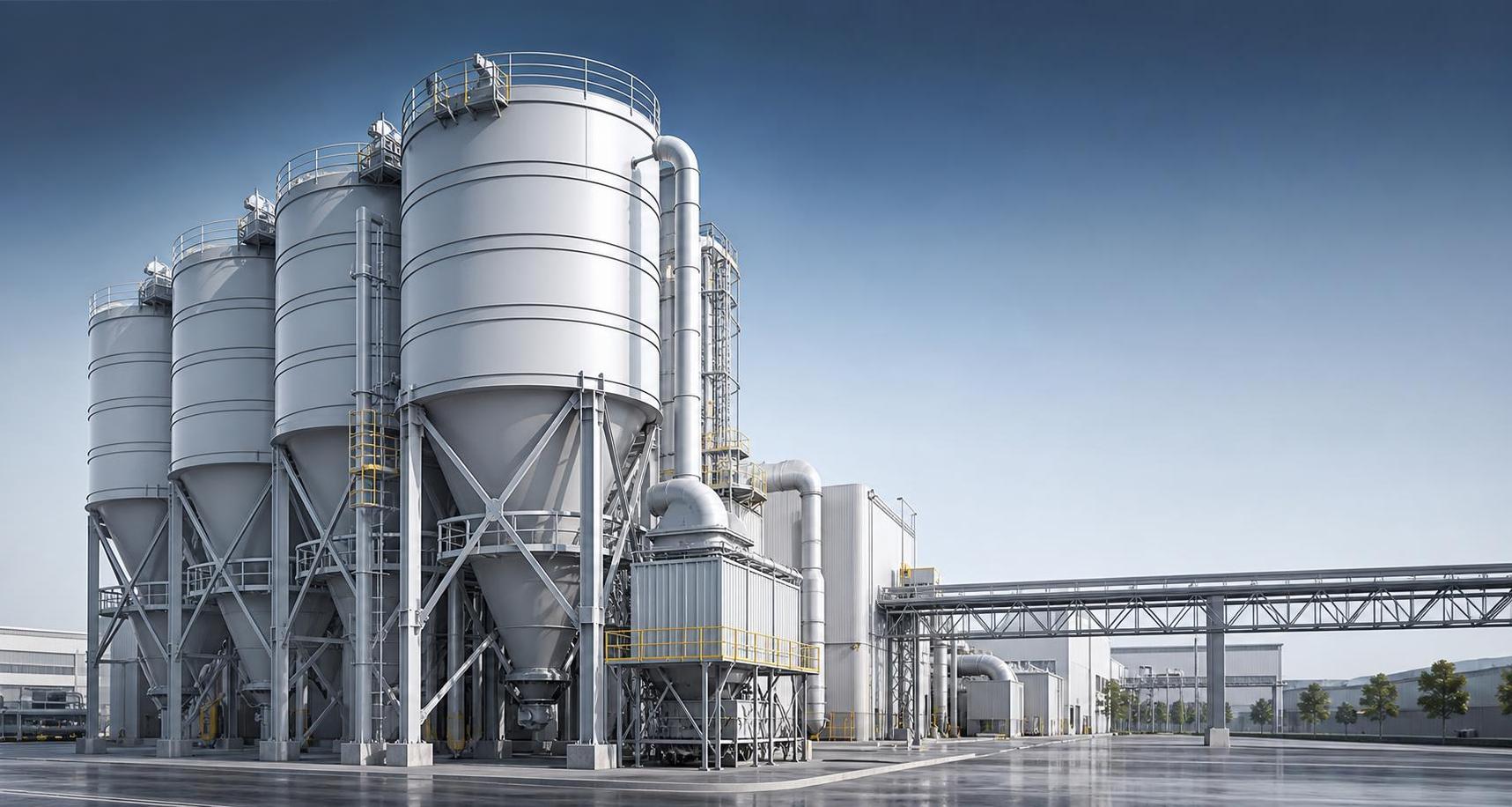
Cement Silo Selection: What Matters Beyond Capacity
Choosing the right cement silo goes far beyond checking storage volume.
In real projects, a poor selection can create daily friction, higher losses, and expensive downtime.
A well-matched cement silo supports stable production, smoother unloading, and lower lifetime operating costs.
That matters even more when the installation serves concrete batching, dry mortar, power, or chemical applications.
Recent market changes make this clearer.
Projects are under tighter budget control, but they still need reliable storage equipment with predictable service performance.
This also means cement silo selection should focus on total value, not just the lowest purchase quote.
Shandong Guokai International Trade Co., Ltd. works in steel storage silo development, manufacturing, and sales.
Its project experience across grain, building materials, electric power, and chemicals reflects a practical truth.
The right cement silo is usually the one that fits the process, site, material behavior, and maintenance reality together.
Start with the Operating Scenario
A cement silo should be selected around actual use conditions first.
Capacity still matters, but it is only one variable in a larger procurement decision.
The more useful starting questions are operational.
- How many loading and unloading cycles happen each day?
- Will the material flow continuously or in batches?
- What is the local humidity, temperature range, and wind condition?
- Is the site permanent, semi-permanent, or mobile?
- How much room is available for transport, assembly, and service access?
These questions quickly reveal whether a standard cement silo is enough or a customized configuration is necessary.
For example, a silo in a humid coastal area needs stronger sealing and anti-corrosion attention.
A silo for a high-frequency batching plant needs discharge stability more than headline storage size.
Material Quality Shapes Service Life
Steel quality is one of the first indicators of long-term value in any cement silo purchase.
Lower-grade materials can reduce initial cost, but they often increase structural risk and maintenance pressure later.
Pay attention to steel thickness, welding quality, reinforcement design, and surface treatment.
Those details influence corrosion resistance, deformation control, and fatigue performance under repeated use.
This is especially important for large cement silo systems installed in demanding industrial environments.
A supplier should clearly explain material specifications, fabrication standards, and testing procedures.
When that information is vague, the risk usually appears later through repairs, leakage, or shortened service life.
In some multi-material storage projects, experience with products like Grain Spiral Silos can also indicate broader fabrication capability.
That kind of cross-industry engineering background often improves consistency in steel silo design and production control.
Discharge Efficiency Is a Daily Cost Issue
A cement silo may look acceptable on paper and still perform poorly during discharge.
That is why cone angle, outlet design, aeration system, and flow-assist devices deserve close review.
Cement can bridge, cake, or discharge unevenly when internal geometry is not matched to material behavior.
The result is not only slower unloading.
It can disrupt batching accuracy, raise labor demand, and force unplanned cleaning work.
A good cement silo should support smooth, repeatable, and controlled discharge under real production conditions.
Ask suppliers for flow design logic, not just nominal outlet dimensions.
If possible, review similar application cases with comparable cement type, humidity level, and discharge frequency.
Sealing Performance Protects Product and Site
Sealing is often underestimated in cement silo selection.
Yet poor sealing affects material quality, dust control, equipment cleanliness, and regulatory compliance.
Moisture ingress can cause cement hardening and internal build-up.
Dust leakage creates housekeeping problems and can weaken workplace safety management.
This makes sealing performance a direct commercial issue, not a minor technical detail.
Review the quality of flanges, gaskets, access ports, dust collection interfaces, and pressure relief components.
A reliable cement silo should stay stable during filling, storage, and discharge without frequent leak points.
Better sealing also reduces material waste over time, which becomes visible in high-volume operations.
Installation Conditions Can Change the Right Choice
Site conditions regularly change what counts as the best cement silo option.
Transport restrictions, crane access, foundation limits, and assembly time all matter before the equipment arrives.
A larger silo is not always the smarter purchase if installation becomes costly or slow.
This is especially true for remote projects or fast-track construction schedules.
Procurement decisions should therefore compare storage efficiency with transportability and installation practicality.
Bolt-connected and modular structures may offer advantages where logistics are tight.
Foundation requirements should also be confirmed early, since civil work delays can erase equipment price savings.
A useful supplier will discuss the full installation chain, not only the cement silo body itself.
Maintenance Cost Deserves Equal Weight
A cement silo is a long-term asset, so maintenance cost should be part of the original comparison.
This includes routine inspection, spare parts availability, cleaning access, and wear component replacement.
Poor access design can turn simple service work into lengthy shutdowns.
Hard-to-source parts can create avoidable delays, especially in cross-border procurement situations.
The better approach is to review serviceability before ordering.
- Can key parts be replaced without dismantling major sections?
- Are level indicators, valves, and filters easy to inspect?
- Will the supplier support parts supply over the full service period?
- Are maintenance documents clear and practical?
A cement silo with slightly higher initial cost may still deliver better total return through lower service disruption.
Supplier Capability Is Part of the Product
In procurement practice, the supplier is part of the cement silo solution.
Technical communication quality often predicts later delivery and service performance.
A capable manufacturer should understand silo engineering, application differences, and project coordination requirements.
That includes design support, manufacturing consistency, and after-sales response.
It also helps to review whether the company serves several industrial sectors.
Broader project exposure can improve problem-solving when requirements are not completely standard.
For instance, manufacturers familiar with solutions such as Grain Spiral Silos may bring useful structural and storage experience into related silo projects.
That does not replace case-specific review, but it does add confidence in engineering depth.
A Practical Evaluation Checklist
To make cement silo comparison more actionable, use a structured evaluation list.
This kind of checklist keeps discussion grounded in operating reality.
It also makes supplier quotations easier to compare on substance, not only on price.
Final Decision: Think in Lifecycle Terms
The best cement silo decision usually comes from lifecycle thinking.
Storage volume matters, but it should sit inside a wider judgment about reliability, discharge quality, sealing, installation, and maintenance.
When these elements align, the cement silo becomes a stable part of the production system.
When they do not, costs appear slowly through waste, delays, repairs, and lost efficiency.
A practical purchasing process should therefore ask one final question.
Will this cement silo still make operational sense after years of real use, not just on order day?
That question usually leads to better decisions, stronger project outcomes, and more dependable long-term value.
Related Posts
- ▶ How a Dry Bulk Silo Handles Pneumatic Filling and Gravity Discharge
- ▶ What Is a Dry Bulk Silo, and When Does a Factory Need One?
- ▶ Can dry bulk storage silos be integrated into existing PLC-controlled batching systems?
- ▶ Do dry bulk silos designed for API 650 compliance meet ASME Section VIII requirements?
- ▶ Is almacénamiento de sólidos a granel en silos de acero inoxidable viable for small-scale agrochemical distributors?
- ▶ How do vibration-based level sensors perform in stainless steel silos with powder coating?
Online Message