





Cement Silo Installation Mistakes That Delay Commissioning
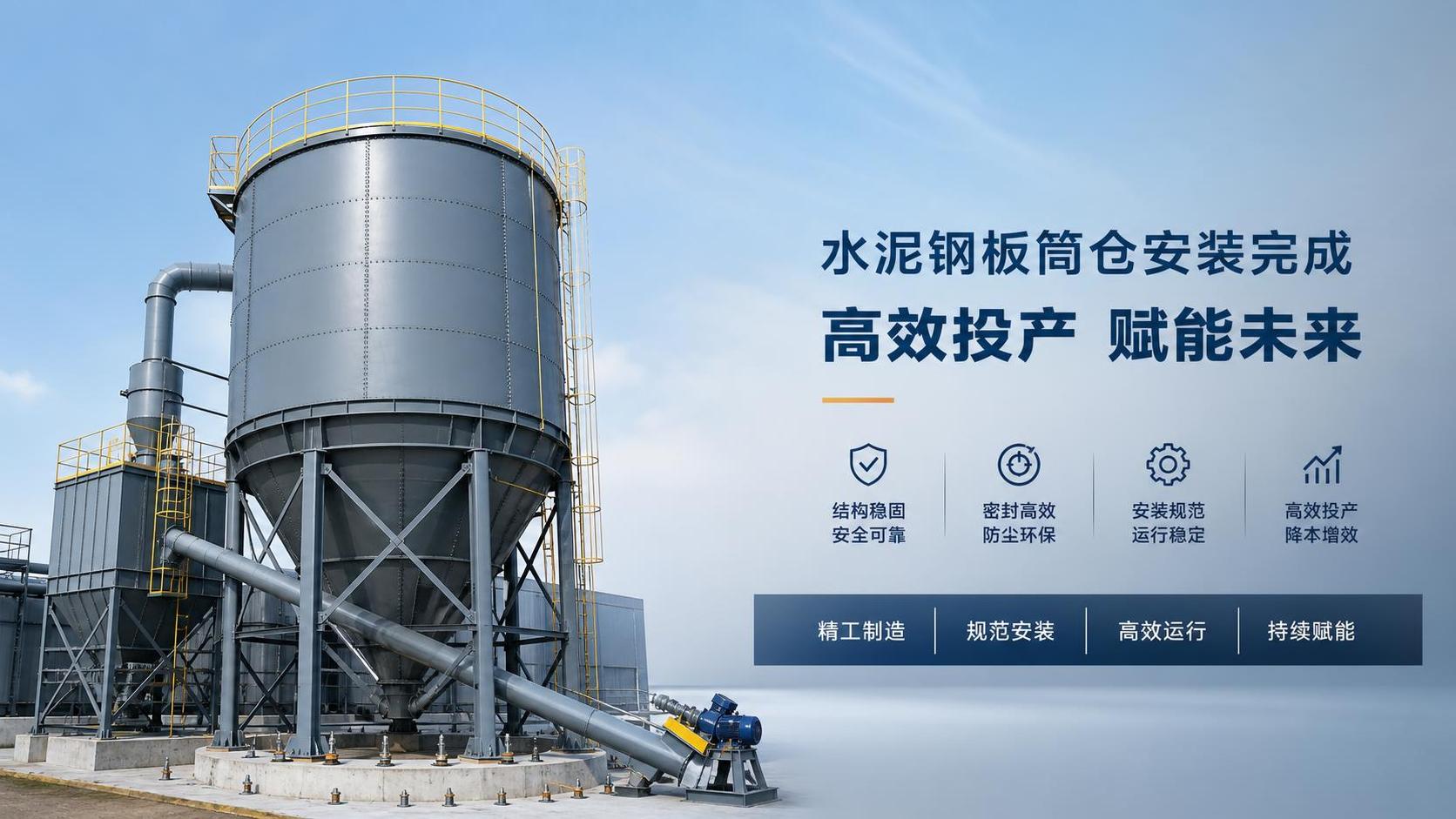
Cement Silo Installation Mistakes That Delay Commissioning
A delayed startup often begins with avoidable errors during cement silo installation.
Small installation gaps can trigger rework, failed inspections, unstable performance, and long commissioning delays.
In practice, most problems are not caused by the silo itself.
They usually come from planning errors, rushed assembly, poor coordination, or missed verification points.
For steel silo projects, disciplined execution matters as much as equipment quality.
Shandong Guokai International Trade Co., Ltd. supports steel storage silo development, manufacturing, and project delivery across building materials, grain, power, and chemical applications.
That broader project experience shows a consistent pattern.
When cement silo installation starts with clear checks and sequencing, commissioning becomes faster, safer, and more predictable.
Why Cement Silo Installation Delays Happen So Often
A cement silo looks simple from the outside, but installation involves many linked tasks.
Foundation work, shell assembly, welding or bolting, dust collection, piping, instrumentation, and electrical integration must all align.
If one step slips, the next step often stops.
More importantly, a delayed handover is rarely fixed by working faster at the end.
Late acceleration usually creates new quality issues during cement silo commissioning.
- Site conditions differ from drawings.
- Anchor bolts are misplaced or reworked too late.
- Assembly crews do not follow the intended sequence.
- Accessories arrive incomplete or are checked too late.
- Leak prevention details are treated as minor items.
- Pre-commissioning tests are postponed until the final stage.
These issues are common, but they are also manageable.
Mistake 1: Ignoring Foundation Accuracy
The first major risk in cement silo installation is foundation inaccuracy.
A foundation can look acceptable and still cause serious alignment trouble later.
Problems usually involve level deviation, anchor bolt position error, or insufficient curing time.
Once the silo base ring does not sit correctly, crews start adjusting around the error.
That leads to forced fitting, uneven loads, and installation delays.
How to prevent it
- Verify foundation dimensions against approved drawings before equipment arrives.
- Check top elevation, flatness, centerline, and bolt spacing with calibrated tools.
- Confirm concrete strength meets the required installation stage.
- Document all measurements and obtain sign-off before erection begins.
This step looks basic, but it protects the whole cement silo schedule.
Mistake 2: Using the Wrong Assembly Sequence
Another frequent problem is poor assembly logic during cement silo installation.
Teams sometimes start lifting based on crane availability instead of technical sequence.
That choice can block access, increase correction work, and slow mechanical completion.
For example, incomplete bracing or premature accessory installation can interfere with shell alignment.
The result is usually extra lifting, repeated fastening, and damaged sealing surfaces.
What better sequencing looks like
- Inspect all silo sections and accessories before erection.
- Confirm the lifting plan, rigging points, and temporary support method.
- Install structural sections in the planned order, then verify plumbness at each stage.
- Add filters, valves, sensors, and pipe connections after primary alignment is locked.
A clean sequence reduces waiting time and gives the cement silo a smoother path to startup.
Mistake 3: Treating Sealing Details as Minor Work
Leaks are a classic source of delayed cement silo commissioning.
Many crews focus on structural completion and leave sealing quality to the final cleanup stage.
That approach creates trouble around flanges, manholes, roof joints, pipe interfaces, and dust collector connections.
Even small leaks matter because cement powder behaves aggressively under pressure and airflow.
During testing, leakage can trigger dust emissions, feeding problems, and unstable level readings.
Across industrial equipment categories, sealing discipline remains a common success factor.
Even specialized processing systems such as Constant Temperature Stainless Steel Food Fermentation Tanks depend on precise fit-up and stable operating conditions.
Key sealing checks
- Use the specified gasket material and installation torque.
- Clean contact surfaces before assembly.
- Inspect weld seams and bolted joints before access becomes limited.
- Perform leak checks before introducing bulk cement.
Mistake 4: Overlooking Accessory Integration
A cement silo is more than a steel shell.
Commissioning depends on accessories working together from the first test cycle.
Typical accessory issues involve level indicators, pressure relief valves, dust filters, arch breakers, discharge valves, and screw conveyor interfaces.
When these items are installed late or checked in isolation, startup problems appear quickly.
The plant may see false alarms, poor discharge, blocked venting, or interrupted feeding.
What to check before handover
Integrated checking saves time because it exposes linked failures before live operation.
Mistake 5: Weak Safety and Inspection Control
Safety gaps also delay cement silo installation, even when no accident occurs.
Uncontrolled lifting, incomplete permits, or missing inspection records often stop work unexpectedly.
The delay then spreads across cranes, labor allocation, and subcontractor coordination.
A practical site routine should include hold points, not just final acceptance.
- Review lifting equipment and weather conditions daily.
- Confirm work-at-height protection before each shift.
- Record bolt tightening, weld inspection, and alignment results by stage.
- Stop and correct deviations before the next assembly step begins.
This discipline shortens commissioning because fewer hidden defects remain in the system.
Mistake 6: Waiting Too Long to Test the Cement Silo
Some teams treat testing as the last chapter of cement silo installation.
That is where avoidable startup delays become expensive.
If mechanical, electrical, and functional checks are delayed, one failed test can reopen many completed tasks.
A better approach is progressive verification through the whole project.
Recommended pre-commissioning sequence
- Check structural alignment and connection tightness.
- Verify instrument wiring and signal response.
- Test dust collection and pressure relief operation.
- Run empty material flow equipment.
- Perform controlled loading and discharge tests.
This staged method reduces surprises during final cement silo commissioning.
A Practical Checklist to Keep the Project on Schedule
A useful checklist should support decisions, not create paperwork for its own sake.
For cement silo installation, the highest-value checks are the ones that prevent rework.
- Foundation approved before steel components reach site.
- All drawings, accessories, and fasteners matched to the current revision.
- Assembly sequence reviewed with lifting crew and supervisors.
- Sealing materials available and protected from contamination.
- Accessory interfaces checked before permanent fixing.
- Inspection records updated at each hold point.
- Pre-commissioning tests scheduled before final handover pressure builds.
The same mindset supports other process equipment as well, including Constant Temperature Stainless Steel Food Fermentation Tanks, where staged verification protects operating stability.
Final Takeaway
Most cement silo delays are created long before the first startup attempt.
Foundation errors, poor sequencing, weak sealing, missed accessory checks, and late testing are the usual causes.
The good news is that each one can be controlled with straightforward site discipline.
When cement silo installation is managed through verification points instead of assumptions, commissioning becomes much more predictable.
That is the fastest way to protect schedule, cost, and operational readiness from day one.
Related Posts
- ▶ How a Dry Bulk Silo Handles Pneumatic Filling and Gravity Discharge
- ▶ What Is a Dry Bulk Silo, and When Does a Factory Need One?
- ▶ Can dry bulk storage silos be integrated into existing PLC-controlled batching systems?
- ▶ Do dry bulk silos designed for API 650 compliance meet ASME Section VIII requirements?
- ▶ Is almacénamiento de sólidos a granel en silos de acero inoxidable viable for small-scale agrochemical distributors?
- ▶ How do vibration-based level sensors perform in stainless steel silos with powder coating?
Online Message