





Steel Silo Corrosion Control: What Extends Service Life?
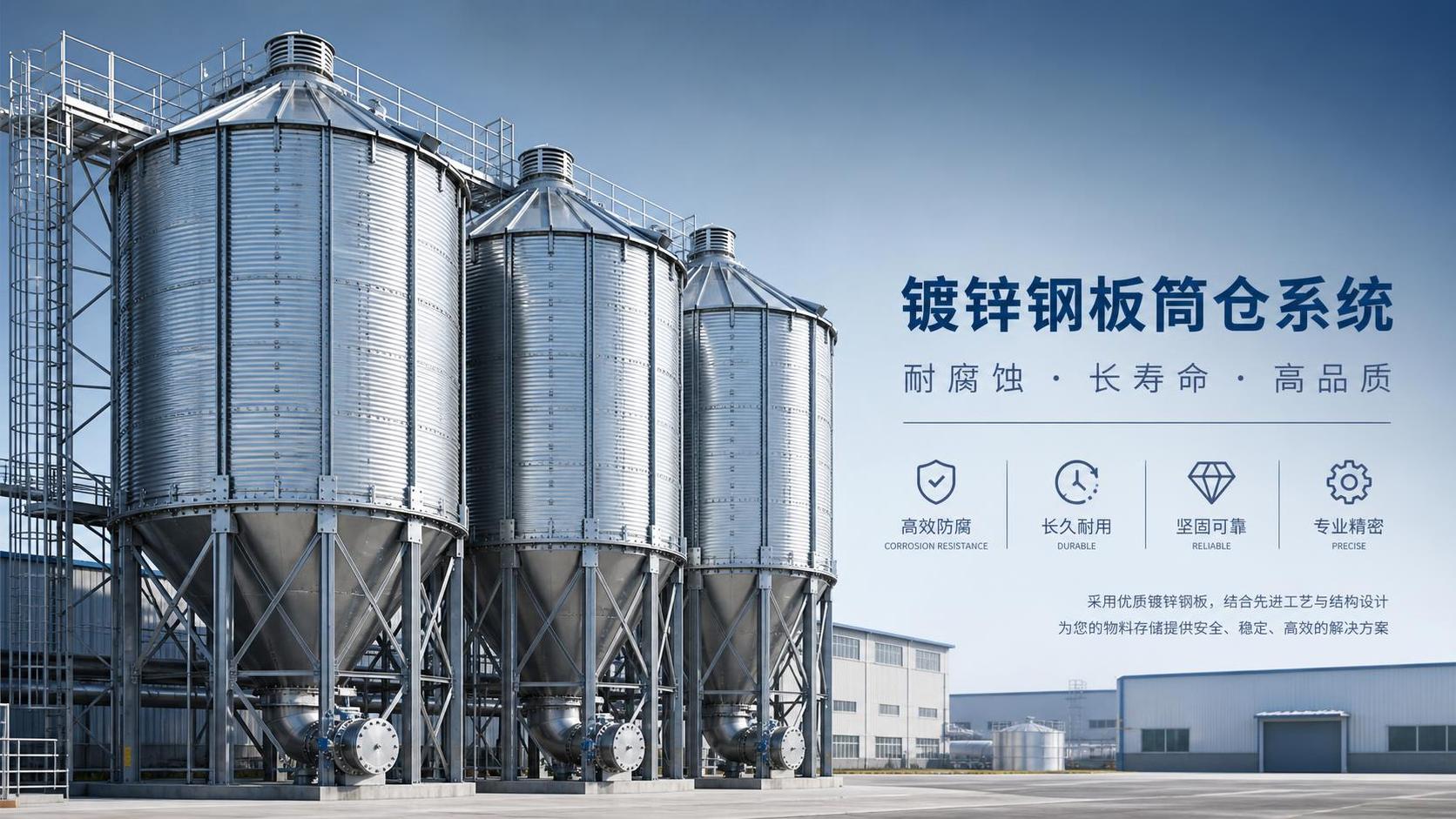
Corrosion control is one of the most decisive factors in steel silo service life. In daily operation, the problem rarely starts with dramatic damage. It usually begins with trapped moisture, coating wear, abrasive flow, or a local chemical reaction that goes unnoticed.
That is why steel silo durability matters far beyond appearance. For storage systems used in grain, building materials, electric power, and chemical handling, corrosion can affect hygiene, structural reliability, maintenance cost, and shutdown risk at the same time.
A practical corrosion strategy combines design choices, material selection, operating discipline, and inspection timing. When those elements work together, a steel silo can keep its performance stable for many years, even in demanding industrial environments.
Why corrosion becomes a service life issue
Steel corrosion is an electrochemical process, but in storage applications it is shaped by real operating conditions. Temperature swings, condensation, dust accumulation, product residue, and poor drainage all create favorable conditions for damage.
The risk is higher when a steel silo handles hygroscopic materials, aggressive powders, or products that generate internal heat. Even a well-built structure can lose years of service life if local wet areas remain untreated.
In many facilities, the first concern is external rust. In practice, internal corrosion often deserves more attention because it develops where inspection is harder and process conditions are less stable.
Where a steel silo usually starts to weaken
Corrosion rarely attacks every surface equally. It concentrates at transitions, joints, and surfaces exposed to moisture or material friction. These areas should shape both inspection planning and maintenance budgets.
- Roof panels and vents, where rain entry, warm vapor, and condensation often interact.
- Wall seams and bolted connections, where coating breaks and crevice corrosion can begin.
- Hopper sections and discharge zones, where abrasion removes protective layers.
- Base rings and foundations, where water retention and drainage failure create persistent exposure.
- Access doors, ladders, and platform attachments, where dissimilar metal contact may accelerate attack.
This pattern is common across sectors. Grain storage may struggle with condensation and residue. Cement and fly ash systems see abrasion and alkaline dust. Chemical storage introduces a different level of media compatibility risk.
Material and coating choices that extend service life
The most effective corrosion control begins before installation. Material grade, galvanizing level, coating system, and fabrication quality determine how much operating stress the steel silo can tolerate over time.
Galvanized steel remains a common solution because it provides sacrificial protection and performs well in many storage applications. Still, zinc coating alone is not a universal answer, especially where abrasion or chemical exposure is severe.
Protective paint systems add another layer of defense. Their performance depends on surface preparation, coating thickness, cure quality, and compatibility with the stored material. A premium coating applied poorly often fails earlier than a moderate system applied correctly.
For larger storage demands, specification decisions become even more important. Projects involving 800-1500 Tons Silos often require closer attention to wall zoning, internal wear areas, and maintenance access from the start.
Selection factors worth comparing
Design details often matter more than expected
A steel silo with good materials can still corrode early if the design traps water or dust. Corrosion control is strongly affected by geometry, drainage, ventilation, and the quality of fabricated details.
Smooth flow paths reduce residue buildup. Proper roof sealing lowers rain intrusion. Drainage paths at the base prevent standing water. Ventilation design helps control condensation, especially where warm material enters a cooler vessel.
Bolted structures need special attention. Joint design should reduce crevice formation, and fastener protection must match surrounding materials. A weak connection detail can become the first corrosion hotspot in an otherwise sound system.
This is one reason integrated project experience matters. Companies such as Shandong Guokai International Trade Co., Ltd., with capabilities spanning development, manufacturing, and silo project construction, are positioned to align design and field conditions more closely.
Operating conditions that speed up damage
Once the steel silo enters service, operational discipline becomes the next layer of protection. Corrosion is often accelerated by conditions that seem routine, especially when they persist over long periods.
- Frequent partial emptying that leaves residue bands on inner walls.
- Delayed cleaning after sticky, reactive, or wet material storage.
- Air leakage that causes condensation near the roof and upper shell.
- Repeated impact loading that damages coatings around inlets and chutes.
- Uncontrolled washing or poor drying before refilling.
The pattern is easy to miss because production targets usually take priority. However, the cost of short maintenance delays often appears later as unplanned repair, contamination risk, or reduced structural margin.
Inspection should focus on trend, not only visible rust
A useful inspection program does more than record whether rust is present. It tracks how conditions change over time and which areas are likely to deteriorate next.
Visual checks remain important, but they should be paired with coating assessment, thickness measurement, moisture source review, and connection condition checks. For critical systems, this creates a more defensible maintenance record.
Signs that need earlier intervention
- Discoloration near seams, vents, or support attachments.
- Blistering or peeling in coated areas.
- Powder accumulation that remains damp after normal shutdown.
- Recurring corrosion in the same repaired location.
- Wall thinning in wear zones or around discharge equipment.
In many cases, repeat corrosion points to an unresolved source, not a failed repair alone. Unless the moisture path, chemical contact, or abrasion source is removed, the steel silo will continue to degrade.
Different industries, different corrosion profiles
Service life planning works better when corrosion is tied to the actual material and process. The same steel silo design does not behave identically across all industries.
This is why corrosion control should never be copied from another site without adjustment. A practical evaluation starts with product behavior, not only silo dimensions or age.
How to turn corrosion control into a longer service life plan
The best results come from treating corrosion as a lifecycle issue. Design, procurement, commissioning, operation, and repair need to support the same objective: keeping the steel silo structurally sound and operationally clean.
A useful next step is to rank silo assets by environment, stored material, age, and inspection history. That makes it easier to decide where preventive work will create the greatest reduction in risk.
For expanding capacity or replacing aging equipment, it helps to compare access, coating options, and maintenance conditions before selection. In some cases, a configuration such as 800-1500 Tons Silos should be judged not only by capacity, but by how well it supports long-term corrosion management.
When corrosion control is built into specification and operating routines, service life becomes more predictable. That improves safety margins, protects stored material, and reduces the chance that a small defect grows into a costly shutdown.
Related Posts
- ▶ How a Dry Bulk Silo Handles Pneumatic Filling and Gravity Discharge
- ▶ What Is a Dry Bulk Silo, and When Does a Factory Need One?
- ▶ Can dry bulk storage silos be integrated into existing PLC-controlled batching systems?
- ▶ Do dry bulk silos designed for API 650 compliance meet ASME Section VIII requirements?
- ▶ Is almacénamiento de sólidos a granel en silos de acero inoxidable viable for small-scale agrochemical distributors?
- ▶ How do vibration-based level sensors perform in stainless steel silos with powder coating?
Online Message