





Fly Ash Storage Systems: Selecting Capacity for Power Plant Output
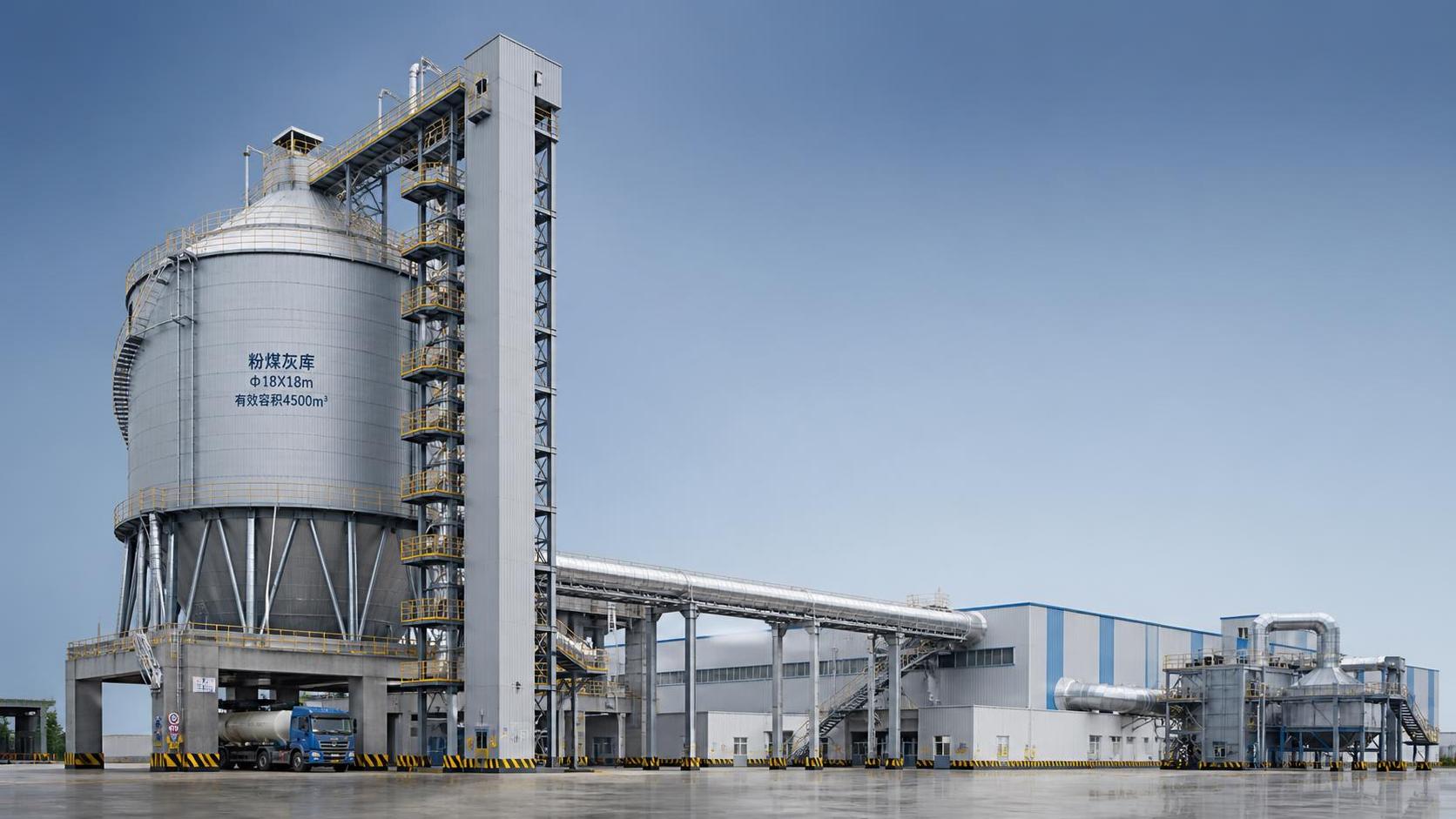
Choosing the right fly ash storage capacity is one of the most practical decisions in a power plant material handling project. The right size keeps ash evacuation stable, limits dust exposure, and protects operations from avoidable stoppages. For project managers, the real task is not simply “how much can we store,” but “how much do we need to store to match plant output, transport rhythm, and site reality.”
This article focuses on the decisions that matter most: how to estimate demand, how to avoid undersizing or overbuilding, and how to compare fly ash storage systems in a way that supports uptime, budget control, and future expansion.
What the search intent is really about
Readers searching for fly ash storage are usually not looking for a definition. They want a capacity decision framework that helps them choose a system that fits plant output, trucking intervals, environmental control, and operating continuity.
That means the content must answer operational questions first: how much ash is produced, how long storage must last during transport interruptions, and what level of reserve is needed to keep the plant running without pressure.
How to size capacity from plant output
The starting point is daily ash generation, usually tied to coal consumption, ash content, and collection efficiency. If those inputs are unclear, the design basis will be weak, and the storage system will be either too small or unnecessarily expensive.
In practice, project teams should model average output and peak output separately. Average output helps determine routine transfer cycles, while peak output defines the reserve needed for shutdowns, weather delays, maintenance windows, or trucking shortages.
A useful rule is to size storage for more than one operating cycle. Plants that rely on frequent haulage need enough buffer to absorb transport gaps without forcing emergency handling. Plants in remote areas often need even more reserve because turnaround time is less predictable.
For larger projects, it is also worth checking whether the storage system must support multiple discharge points, redundant conveyors, or staged unloading. That affects not only volume, but also the internal flow design and how quickly material can move out of the silo.
Why project managers should think beyond volume
Capacity is only one part of the decision. A storage system can have adequate volume and still fail if discharge is unreliable, dust control is weak, or the structure is difficult to maintain. That is why engineering leaders should evaluate the full operating chain.
Dust containment matters because fly ash is fine, mobile, and easy to lose during transfer. Poor sealing increases housekeeping cost, raises exposure risk, and can create compliance issues. A good system should support controlled loading, stable venting, and clean discharge.
Maintenance access is another hidden cost. If inspection points, aeration equipment, flow aids, or outlet components are hard to reach, the system becomes more expensive over its life. For project managers, this affects not just safety, but also labor planning and outage risk.
In procurement discussions, it helps to compare total operating value rather than silo price alone. That includes truck cycle reduction, emergency storage margin, dust suppression needs, and the cost of lost production if ash cannot be handled on time.
Choosing the right configuration for your site
Not every plant needs the same type of fly ash storage system. The best choice depends on available footprint, discharge method, transport distance, and whether the project is new build or retrofit. A compact site usually requires a different design logic than a greenfield power block.
Where space is tight, vertical storage often offers better use of land, but it may require stronger structural support and more careful foundation design. Where flexibility matters, modular systems can make expansion easier and lower the risk of overcommitting early capital.
Site conditions also matter for loading and unloading logistics. If trucks cannot queue freely, the storage and discharge arrangement should reduce waiting time and keep material flow steady. In some mixed-material projects, engineering teams also evaluate shared utility structures such as Mobile Small Cement Tanks for Construction Site when planning temporary bulk handling around construction phases.
For utility-scale plants, it is usually smarter to design around the operational bottleneck instead of the theoretical maximum. A system that matches realistic transport frequency and maintenance windows will outperform a larger system that is difficult to use or too costly to keep full.
Common sizing mistakes that create risk
The most common mistake is sizing only for average output. That ignores peak periods, seasonal logistics issues, and the very interruptions that storage is supposed to absorb. A reserve that looks fine on paper may fail during real operating stress.
Another mistake is treating future expansion as an afterthought. If the plant may increase load, add units, or extend haul distances, the storage system should be designed with a practical expansion path. Retrofitting later is usually more disruptive and more expensive.
Teams also underestimate the effect of moisture, ash behavior, and discharge reliability. Flow issues can reduce usable capacity well below the geometric volume, so the design should consider effective capacity, not just nominal capacity.
Finally, many projects focus on initial capex and ignore operating friction. If the system causes frequent cleaning, clogging, or truck delays, the real cost shows up in lost time and management attention, which is often more expensive than the equipment itself.
What a solid evaluation checklist should include
A workable evaluation process should start with plant output data, then test that data against haulage intervals, reserve days, and site limits. The goal is to define the smallest capacity that still protects operational continuity.
After that, engineering teams should review discharge performance, dust control, structural integration, access for maintenance, and the ability to expand. These factors often separate a smooth-running asset from one that becomes a recurring operational issue.
It is also helpful to involve both operations and procurement early. Operations understands flow risk and uptime pressure, while procurement sees delivery lead times, installation sequencing, and budget limits. A decision made by only one side is usually incomplete.
For plants working under tight schedules, the storage system should be selected as part of the full material handling chain, not as an isolated item. That keeps the design aligned with conveyors, trucks, controls, and long-term serviceability.
Conclusion
Fly ash storage capacity should be chosen from real operating demand, not from a generic volume target. The best systems balance plant output, transport timing, site constraints, and future growth while keeping dust and downtime under control.
For project managers and engineering leaders, the right question is not “what is the biggest silo we can install,” but “what capacity gives us stable operations at the lowest practical lifecycle risk.” That is the standard that leads to better decisions and fewer surprises later.
Related Posts
- ▶ How a Dry Bulk Silo Handles Pneumatic Filling and Gravity Discharge
- ▶ What Is a Dry Bulk Silo, and When Does a Factory Need One?
- ▶ Can dry bulk storage silos be integrated into existing PLC-controlled batching systems?
- ▶ Do dry bulk silos designed for API 650 compliance meet ASME Section VIII requirements?
- ▶ Is almacénamiento de sólidos a granel en silos de acero inoxidable viable for small-scale agrochemical distributors?
- ▶ How do vibration-based level sensors perform in stainless steel silos with powder coating?
Online Message