





Bulk Material Storage Silos in Food and Feed Plants: Hygiene Requirements
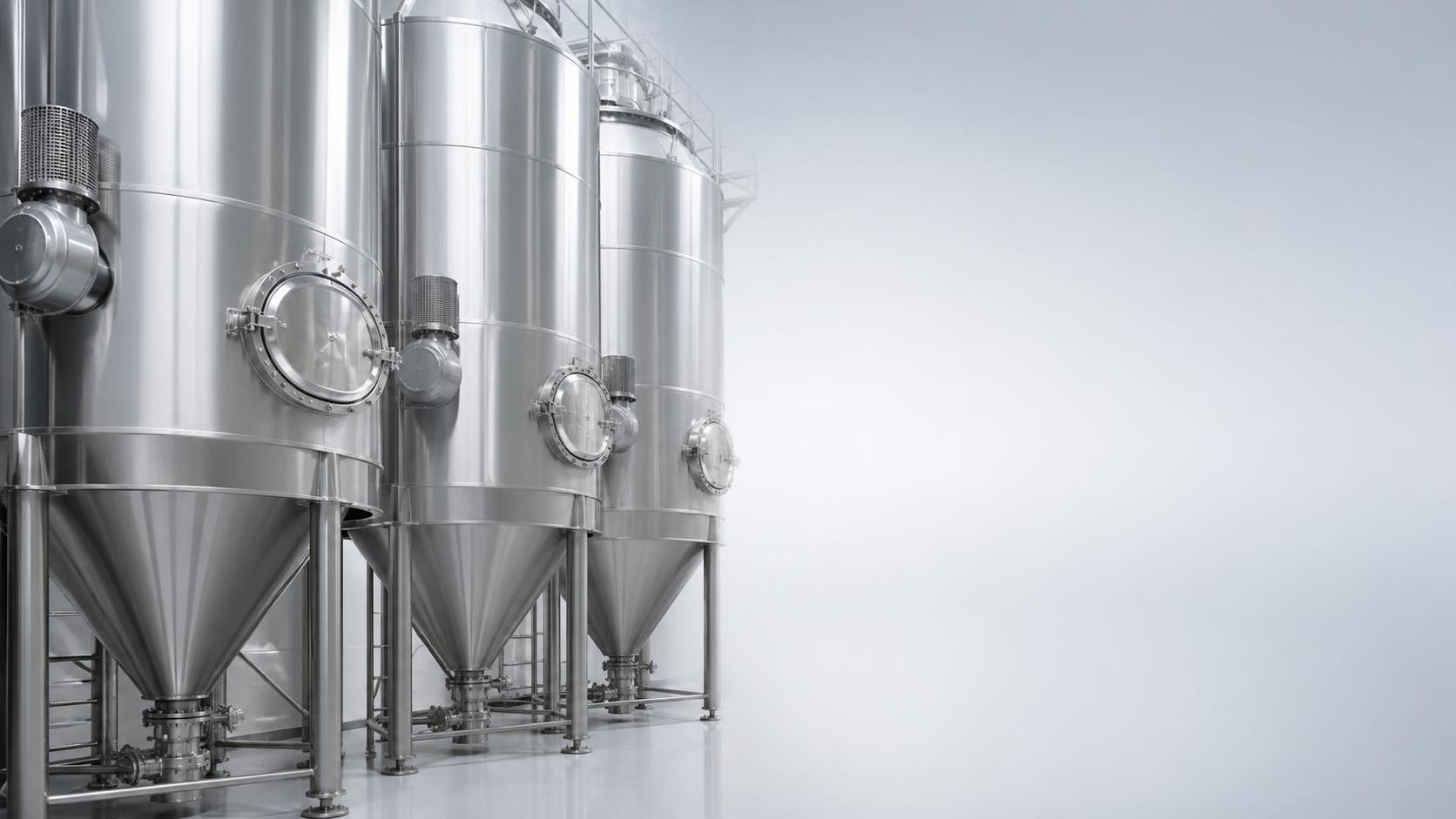
In food and feed plants, hygiene is not a side issue for bulk material storage silos; it is the main criterion that determines whether the system is acceptable at all. For quality control and safety managers, the real question is not capacity, but whether the silo can prevent contamination, support cleaning, and hold up under audits.
The right silo strategy reduces product loss, cross-contamination, pest risk, and stoppages. It also makes inspections easier and lowers the cost of corrective action. For many operations, that means choosing sanitary design features carefully and treating maintenance as part of food safety control, not as a separate task.
This article focuses on the hygiene requirements that matter most in practice: design details, material selection, access control, cleaning methods, inspection routines, and the decisions that help managers judge whether a silo system is truly fit for food and feed use.
What “hygienic” really means in silo storage
In storage systems, hygiene means more than visual cleanliness. A hygienic silo should not trap residue, absorb moisture, or create hidden spaces where microorganisms, insects, or foreign matter can accumulate.
It should also allow consistent inspection and cleaning without exposing workers to unnecessary risk. In food and feed plants, this is especially important because one storage failure can affect an entire production batch.
Which design features matter most
The first decision is the silo surface. Smooth internal walls, well-finished welds, and minimal ledges reduce buildup and make cleaning more predictable. Rough seams and dead zones create long-term sanitation problems.
Second, the silo must control moisture. Good sealing, proper venting, and condensation management are essential because damp product can spoil quickly and invite microbial growth. For many sites, Food Grade Stainless Steel Grain Tanks are attractive because they support cleaner interiors and better corrosion resistance.
Third, access points should be designed for hygiene, not only convenience. Manholes, sampling ports, hatches, and discharge outlets need secure closures, durable gaskets, and layouts that prevent dust escape and outside contamination.
How material choice affects sanitation and compliance
Material selection has a direct impact on cleaning efficiency and service life. Food-grade stainless steel is often preferred where corrosion resistance, frequent washing, and strict contamination control are central requirements.
Compared with weaker or poorly coated surfaces, stainless systems are easier to maintain when exposed to humidity, cleaning agents, and repeated handling. They also reduce the chance of flaking, rust transfer, or surface deterioration that can trigger quality concerns.
For managers, the key is to match material choice with the actual product profile. Hygroscopic powders, oily feed ingredients, and ingredients stored in warm or humid environments create different risks, and the silo surface should be selected accordingly.
Cleaning access and inspection are not optional
Sanitary performance depends on whether the silo can be inspected and cleaned without guesswork. If critical areas cannot be reached, residue control becomes unreliable and documentation loses credibility.
Practical hygiene design should support routine internal checks, safe entry procedures where necessary, and cleaning methods appropriate to the stored material. That may include dry cleaning, vacuum removal, or targeted wet cleaning when the product and system allow it.
Managers should confirm that ladders, platforms, inspection doors, and fall protection measures support safe access. If access is difficult, teams tend to defer cleaning, and deferred cleaning becomes a repeated quality risk.
Moisture, condensation, and product spoilage
Moisture control is one of the most common weak points in bulk material storage silos. Condensation can form when warm air meets cooler metal surfaces, especially during seasonal temperature swings or after cleaning.
That moisture can cause caking, mold, insect activity, and nutrient degradation. In feed plants, even small quality shifts can affect downstream formulation accuracy and animal performance.
To reduce this risk, plants should review roof design, ventilation, insulation where needed, and drainage behavior. The objective is simple: keep product dry, keep airflow controlled, and prevent water from becoming a hidden contamination source.
Preventing cross-contamination between batches
Cross-contamination is a major concern in both food and feed operations, especially where allergens, medicated feed, or different ingredient grades are stored in shared systems.
Hygiene requirements should therefore include clearing procedures, changeover rules, and batch segregation logic. If the plant cannot reliably separate materials, the storage system becomes a quality liability rather than an asset.
QC teams should verify whether discharge paths, conveyors, and transition points leave enough residue behind to create carryover. In many cases, the silo itself is only part of the issue; connected equipment matters just as much.
What safety managers should verify during inspection
A useful inspection routine should check more than visible dirt. Managers should look for corrosion, damaged seals, loose fasteners, leakage, pest entry points, and signs of condensation or product bridging.
They should also confirm that cleaning records, corrective actions, and maintenance logs are complete and traceable. If a hygiene issue appears repeatedly, the problem is usually structural, procedural, or both.
It is useful to define acceptance criteria in advance: what level of residue is acceptable, which surfaces must be opened for review, and what condition requires shutdown or rework. Clear thresholds reduce inconsistency in decision-making.
How to judge whether a silo system is worth the investment
The right evaluation is not only about purchase price. A lower-cost silo that creates frequent cleaning issues, contamination risk, or downtime usually becomes more expensive over time.
Decision-makers should weigh sanitation performance, inspection access, corrosion resistance, maintenance demand, and compatibility with the plant’s food safety program. These factors have direct operational value because they affect rejects, audits, labor, and stoppages.
When the application demands strict hygiene, systems such as bulk material storage silos should be judged on their total control value, not only on storage volume. The best choice is the one that reduces risk without adding avoidable complexity.
Practical requirements for plant teams
For day-to-day control, teams should establish a documented cleaning schedule, visual inspection checklist, and escalation path for defects. Hygiene performance improves when responsibilities are clear and repeated tasks are standardized.
Training also matters. Operators and maintenance staff need to understand why residue control, moisture prevention, and sealing integrity are critical, not just how to complete a task list.
Finally, plants should review the silo system after process changes, ingredient changes, or seasonal shifts. A setup that worked well in one operating condition may not remain adequate in another.
Conclusion
In food and feed plants, silo hygiene is a control system, not a cosmetic feature. The strongest setups combine sanitary design, moisture control, inspection access, cleaning discipline, and clear accountability.
For quality control and safety managers, the most useful question is whether the silo helps the plant prevent contamination consistently. If it does, it supports compliance, product integrity, and stable operations. If it does not, it creates repeated risk that becomes expensive to manage.
Related Posts
- ▶ How a Dry Bulk Silo Handles Pneumatic Filling and Gravity Discharge
- ▶ What Is a Dry Bulk Silo, and When Does a Factory Need One?
- ▶ Can dry bulk storage silos be integrated into existing PLC-controlled batching systems?
- ▶ Do dry bulk silos designed for API 650 compliance meet ASME Section VIII requirements?
- ▶ Is almacénamiento de sólidos a granel en silos de acero inoxidable viable for small-scale agrochemical distributors?
- ▶ How do vibration-based level sensors perform in stainless steel silos with powder coating?
Online Message